
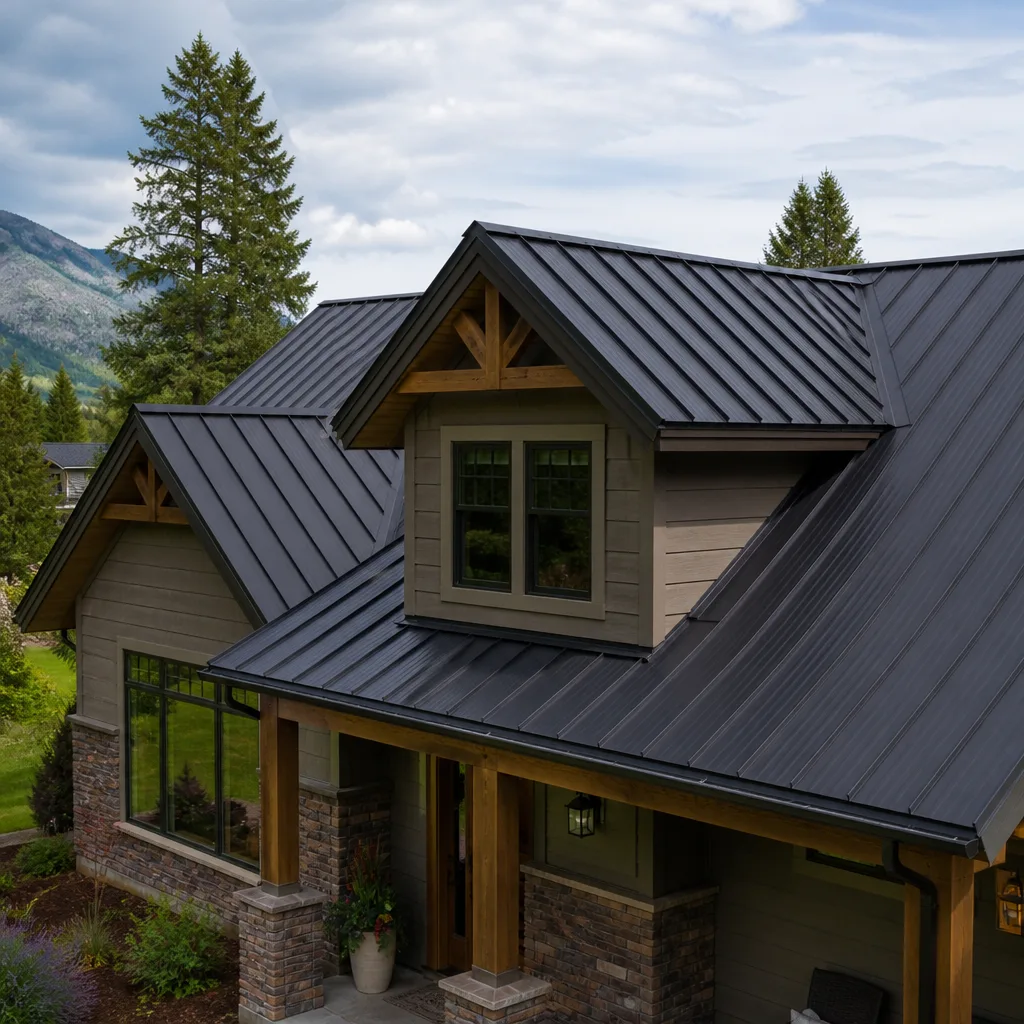
 Metal roofing
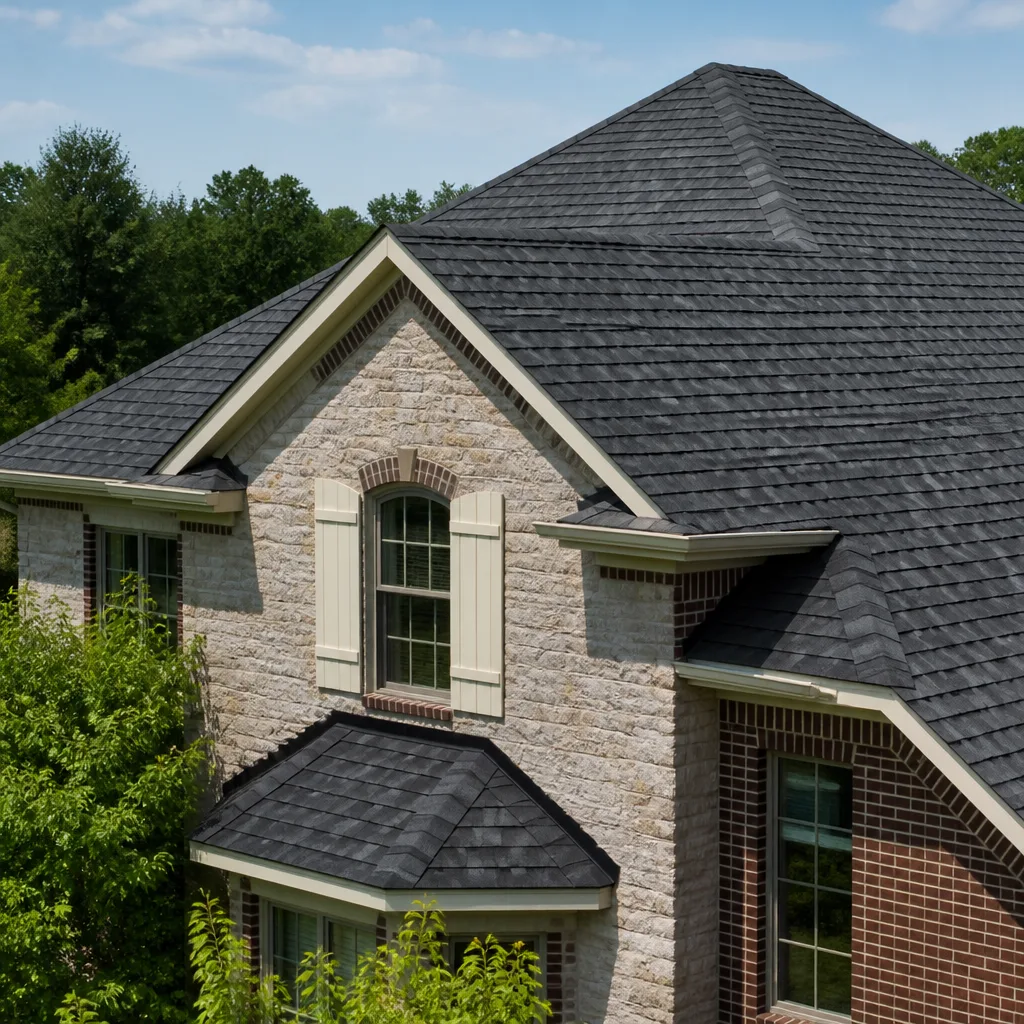 Architectural shingles
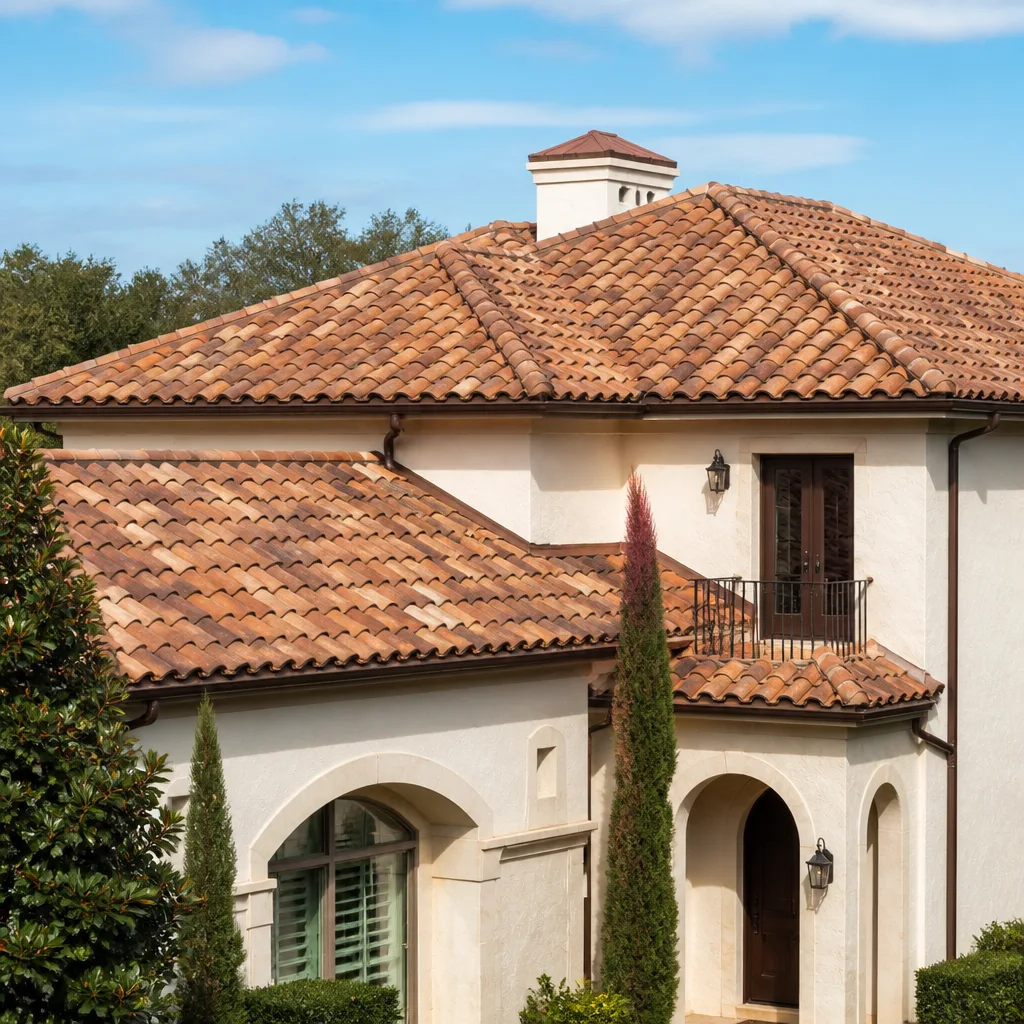 Tile roofing
 GAF
GAF Owens Corning
 Flat & low-slope
Free roof inspection with deck photos before we talk money - GAF and Owens Corning certified installation
Atlas Flashing Replacement: The Pasadena Owner’s Guide
Atlas flashing replacement in Pasadena typically runs between $225 and $540 installed, and we carry Atlas-compatible flashing on our trucks for same-week replacement. Flashing is the metal barrier that seals the joints where your roof meets a wall, chimney, skylight, or valley, and when it fails, water gets in. Most homeowners discover the problem after a rainstorm, when a brown stain appears on the ceiling or drips start near a window. The flashing itself may be corroded, pulled away from the wall, or cracked along a seam. Either way, it’s a repair we handle several times a month across Pasadena, from Bungalow Heaven to the San Rafael Hills.
Atlas manufactures asphalt shingles and roofing accessories, and their flashing details are designed to work with Atlas shingle profiles. But the flashing itself is frequently fabricated on site from coil stock or supplied as pre-formed pieces matched to the Atlas system you have. The good news: if your Atlas roof is leaking at a flashing point, the fix is usually localized and doesn’t require touching the shingle field.
Key Takeaways
- Atlas flashing replacement in Pasadena costs $225 – $540 installed in most cases; you’ll get a written price before we start.
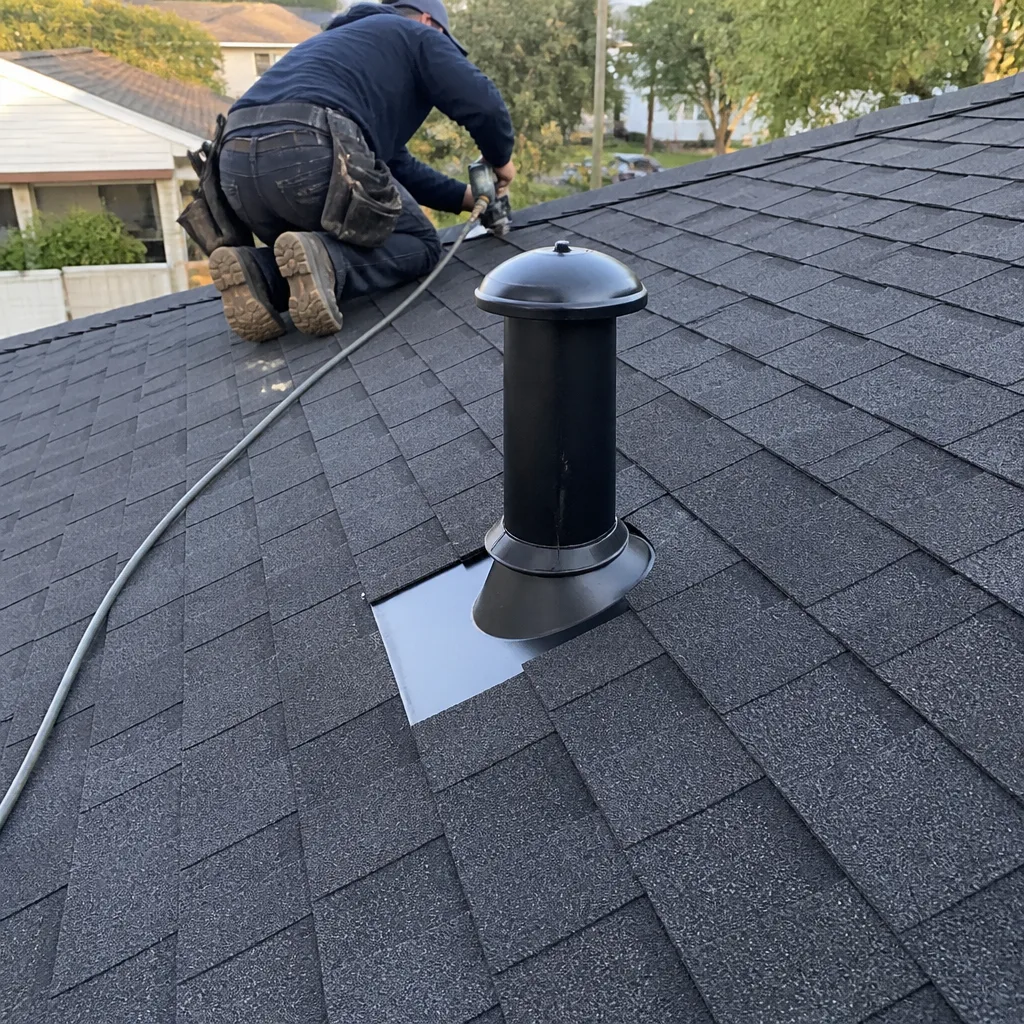
- We stock standard Atlas-compatible step flashing, counter-flashing, pipe boots, and valley metal on our trucks.
- Flashing fails from expansion, corrosion, and Pasadena’s UV exposure; the first sign is usually a ceiling stain after rain.
- DIY flashing patches rarely hold because the failure is usually behind the wall, not on the surface.
- Our 365-Day Done Right Promise covers every flashing replacement we do. If it leaks again, we fix it.
Styles & brands we work with
Which Atlas Models This Applies To
Atlas flashing replacement isn’t model-specific in the way a shingle color is. Flashing works as part of the roof system, so what matters is the Atlas shingle line you have and the penetration type. The most common Atlas lines we see on Pasadena roofs are Pinnacle, StormMaster, and GlassMaster. Pinnacle and GlassMaster are standard architectural shingles; StormMaster is Atlas’s heavier-duty line with a higher wind rating, and because of its thicker profile, the step flashing needs a slightly taller rise, usually 4 inches minimum instead of 3, to keep water from wicking over the top. That’s a small detail that matters when water is moving sideways during one of our winter downpours.
For chimney and wall flashing, the Atlas system relies on standard galvanized or aluminum step flashing, 4x4x8 inches in most Pasadena homes, with counter-flashing cut into the stucco or mortar. If you have Atlas’s AC Foam or CrossVent ridge system, the ridge cap flashing at the peak uses pre-formed Atlas accessories that we order directly. The way to identify what you have is simple: we check the shingle profile and measure the existing flashing during the estimate walk. For OEM versus aftermarket, Atlas doesn’t require proprietary flashing. A quality 26-gauge galvanized flashing from a reputable mill performs as well as anything labeled Atlas, and it’s what we install in most cases. The only time we insist on Atlas-branded parts is when the warranty on a newer roof specifically requires it.
Signs Your Atlas Flashing Replacement Is Failing
- Ceiling stains near an exterior wall or chimney after rain. This is the classic sign. Flashing separates from the wall or the sealant fails, and water tracks down inside the wall cavity before it shows up on your ceiling. By the time the stain is visible, the flashing has usually been leaking for weeks.
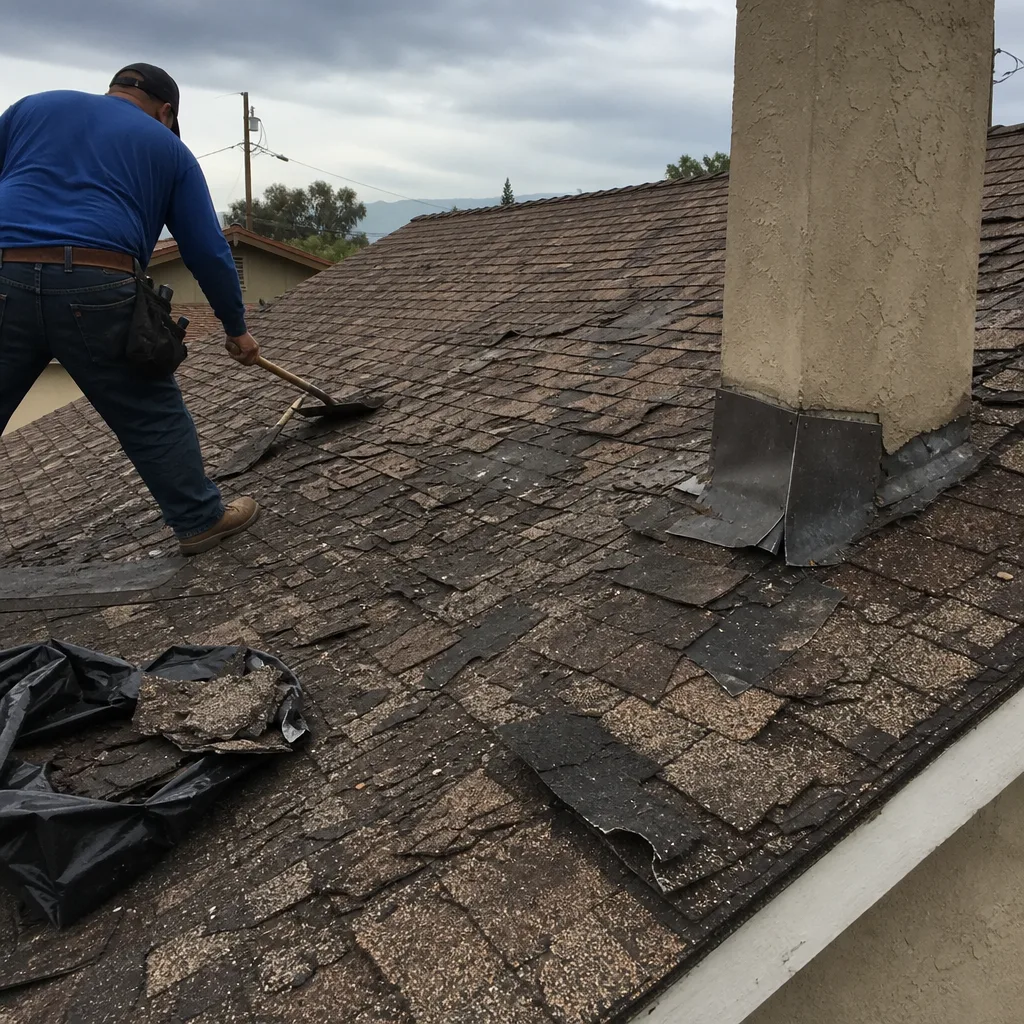
- Visible rust or corrosion on exposed flashing. Pasadena’s dry summers and wet winters create exactly the kind of expansion and contraction cycle that cracks older galvanized flashing. Once rust appears, pinholes follow. The metal isn’t protecting the seam anymore, it’s funneling water through it.
- Flashing pulled away from the wall or chimney. Older flashing was often nailed to both the deck and the wall, and the two surfaces move differently. The nails pop, and a gap opens. You can sometimes see this from the ground with binoculars; the gap is where the water gets in.
- Granules from shingles piling in gutters near a flashing junction. When flashing fails, water saturates the shingle edges, and the asphalt starts to break down. If you’re cleaning the gutter and see heavy granule loss concentrated at one corner, look up: that’s usually a flashing problem, not a shingle problem.
- Drafts or daylight visible inside the attic near a roof-wall junction. Flashing that’s failed mechanically, not just leak-wise, leaves a physical opening. You may notice a musty smell first, then find light coming through where there shouldn’t be any. That opening is doing double damage: water in, conditioned air out.
See the difference
 Before
 After
After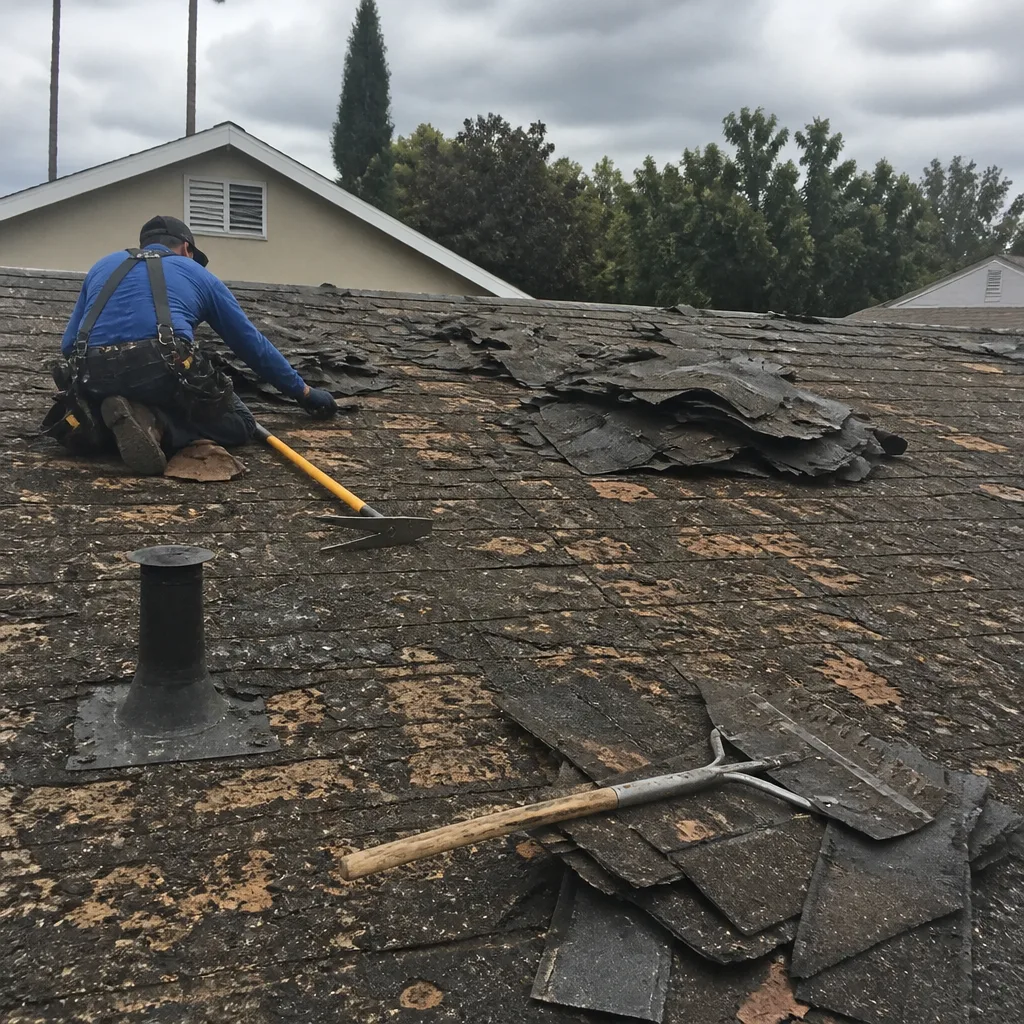 Before
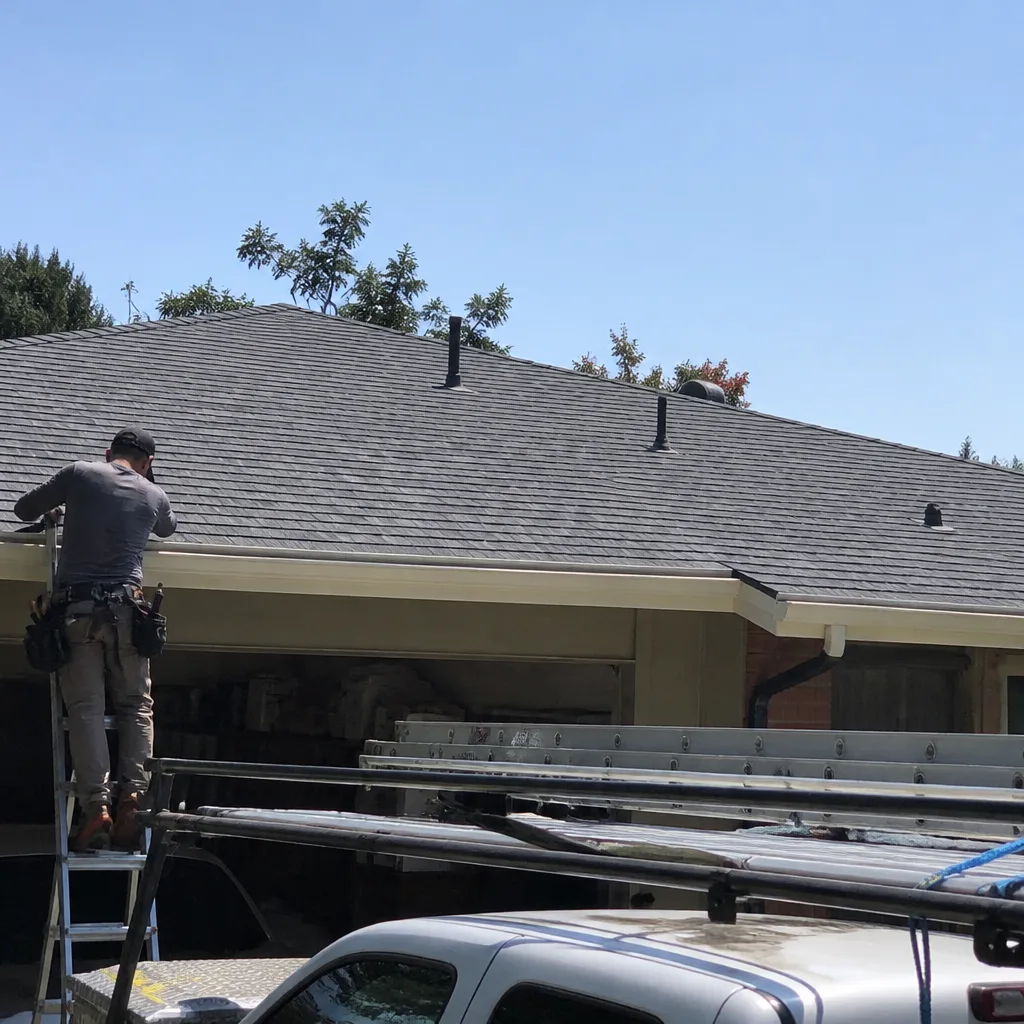 After
After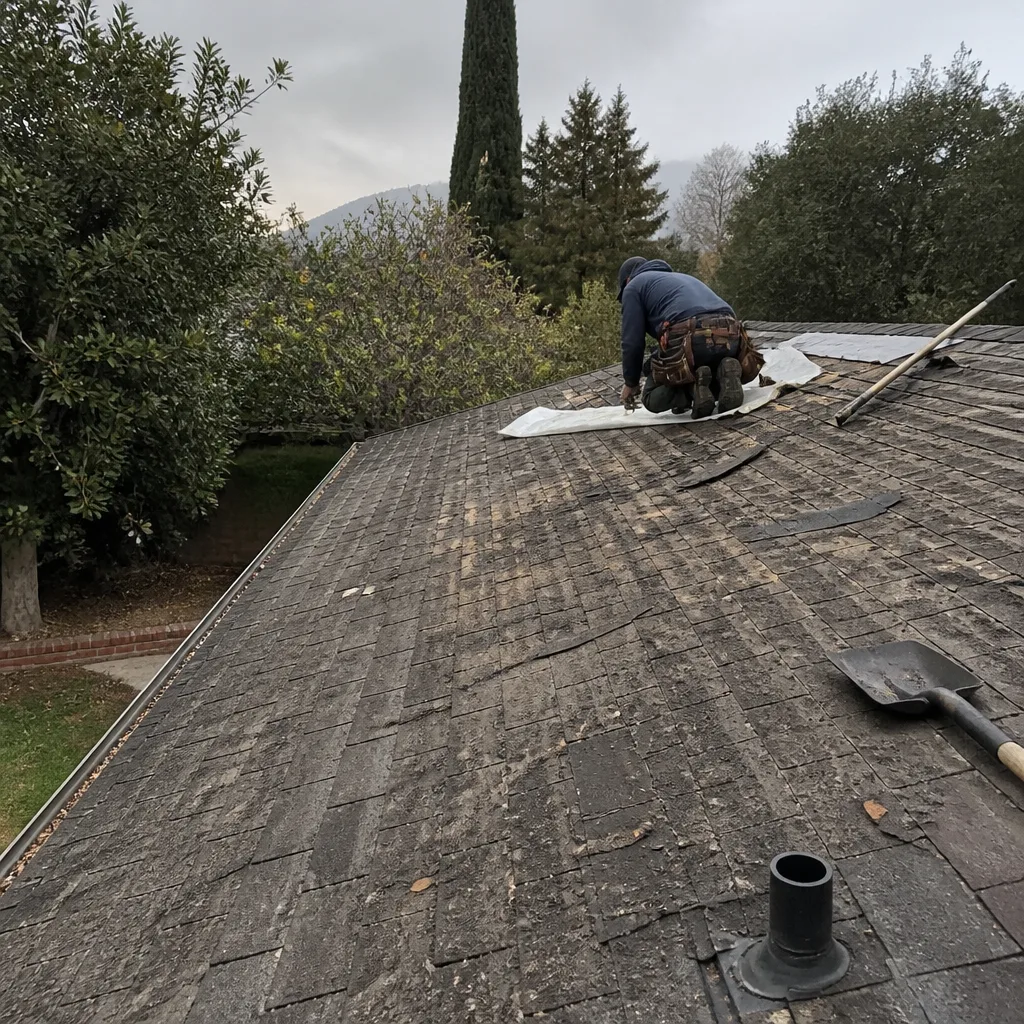 Before
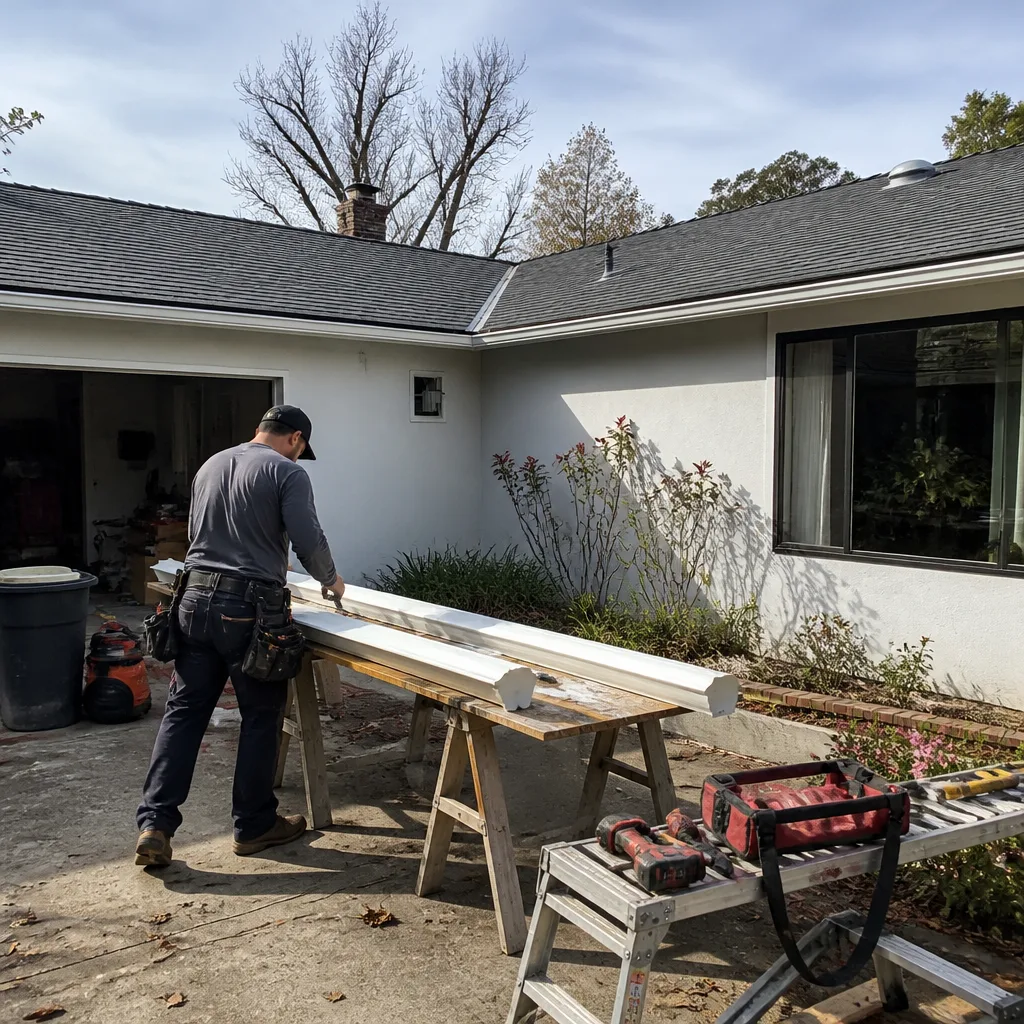 After
AfterReplacement Cost & What’s Included
For most Atlas flashing replacement jobs in Pasadena, you should expect to pay between $225 and $540 installed. The lower end covers a single pipe boot or a short run of step flashing, maybe 8 to 10 linear feet. The higher end covers chimney flashing with new counter-flashing cut into the stucco, or a valley replacement that’s 15 linear feet or more. Here’s how the numbers typically break down:
- Material: $40 – $160 (flashing metal, sealant, fasteners, weather barrier)
- Labor: $150 – $320 (removal of failed flashing, inspection of the deck beneath, installation, sealing, clean-up)
- Equipment and disposal: $35 – $60 (ladder work, hauling old material)
The variables are access and the condition of the deck underneath. If the sheathing is rotted where the flashing failed, that section needs to be cut out and replaced, which adds material and labor. You’ll see your exact number in writing before we begin; that’s the only way we work. And every flashing replacement carries our 365-Day Done Right Promise: if it’s not right, we make it right.
DIY or Call Us?
There are things worth checking yourself: you can look at your flashing from the ground with binoculars, you can check the attic for daylight, and you can keep your gutters clear so water isn’t backing up at the flashing line. What we don’t recommend is climbing onto a two-story Pasadena roof with a tube of sealant. The failure is usually behind the wall or under the shingle, not on the surface where caulk would help, and a tall ladder on uneven terrain is how roofing injuries happen. We’ve also seen a lot of well-intentioned fixes that trap water against the wall instead of shedding it away, which makes the eventual repair more expensive.
If you’ve got a stain, a rust line, or a visible gap, call us at (626) 657-5397. We’ll do a full inspection, show you what we found, and hand you a written price before anything gets touched. You’ll have the price in writing before we touch a single shingle.
FAQs
In Pasadena’s climate, standard galvanized flashing lasts 15 to 25 years, while heavier-gauge or aluminum flashing can reach 30. UV exposure, the expansion cycle between our dry summers and wet winters, and the quality of the original installation are the main factors. If your flashing is older than two decades and you’re seeing any rust or separation, a replacement now is cheaper than a deck repair later. Call us at (626) 657-5397 and we’ll tell you honestly what shape yours is in.
Sometimes, but not usually. Small sealant failures can be spot-fixed, but the issue Peter Lindgren sees most often (and I’ve seen the same across hundreds of Pasadena roofs) is flashing that has pulled away from the wall or corroded at the seam, which means the metal itself is compromised. A surface patch won’t address water that’s already getting behind the wall. The repair has to be done at the source, and that’s a replacement, not a caulk job.
Most flashing replacements take two to four hours from setup to clean-up. Chimney flashing runs longer because cutting new counter-flashing into stucco or mortar is slow, exact work. Either way, we’re usually done in a day, and we leave the site clean: drop cloths through the house, all debris hauled, and a photo of the finished clean-up before the crew pulls out.
We stock standard step flashing, counter-flashing, pipe boots, and valley metal on our trucks, all sized for Atlas systems. For Atlas-specific accessory pieces, like pre-formed ridge flashing, we order direct and typically have the part within a few days. Unlike some companies that stock only one product line, we regularly work with GAF, Owens Corning, CertainTeed, and Atlas, so we’re not trying to sell you a substitution that doesn’t fit. Call (626) 657-5397 and we’ll tell you what we’d need to order before we schedule.
Birchbark Roofing Pasadena is an independent roofing contractor, not affiliated with or endorsed by Atlas Roofing. Atlas is a trademark of Atlas Roofing Corporation.
Written by Erik Lindgren, Owner, Birchbark Roofing Pasadena at Birchbark Roofing Pasadena, serving Pasadena and nearby areas.