
Last updated October 17, 2026
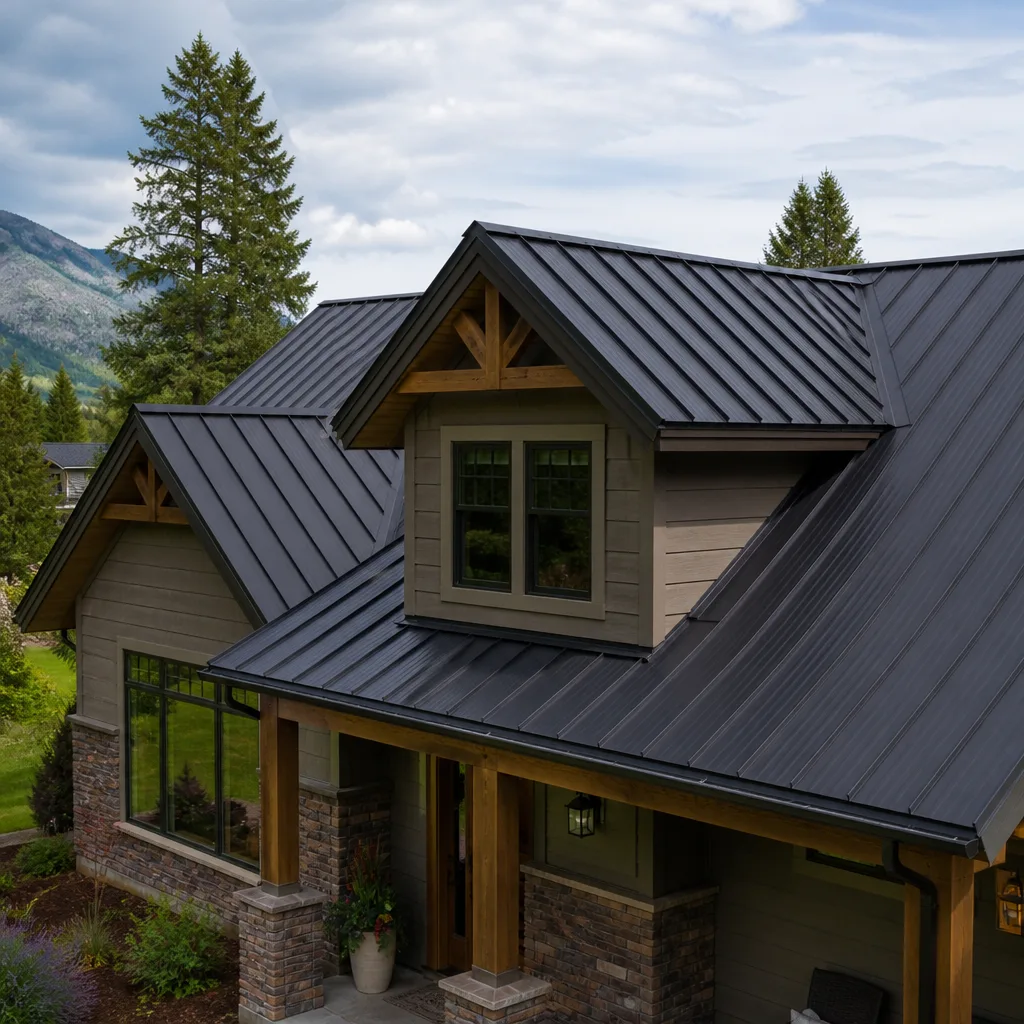 Metal roofing
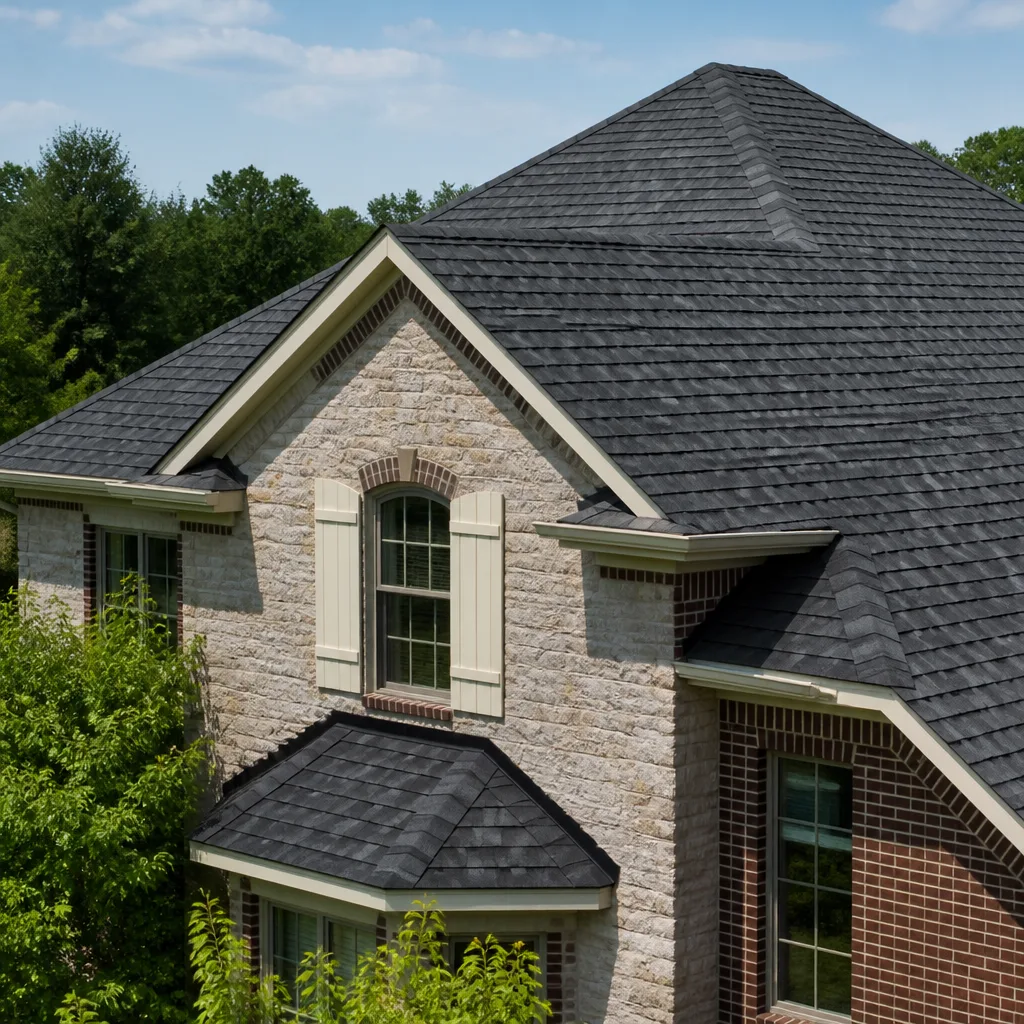 Architectural shingles
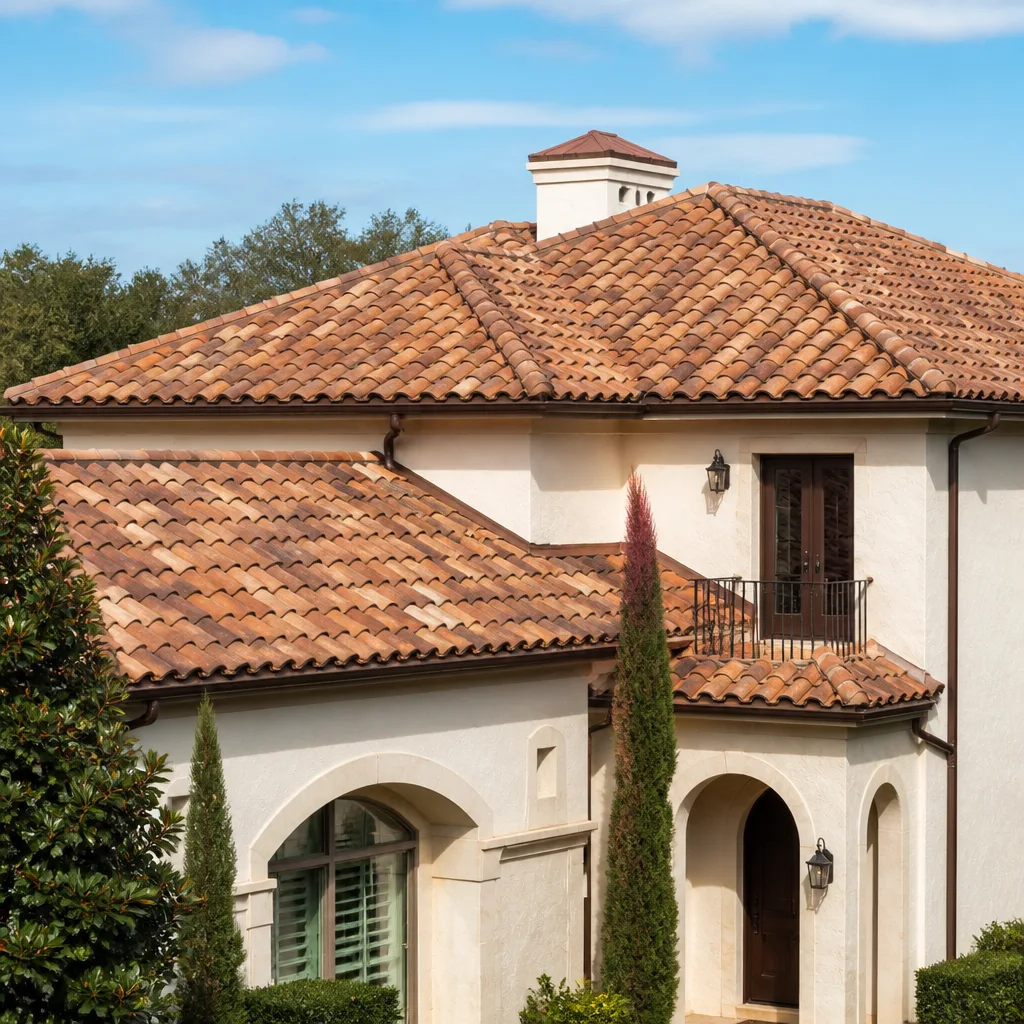 Tile roofing
 GAF
GAF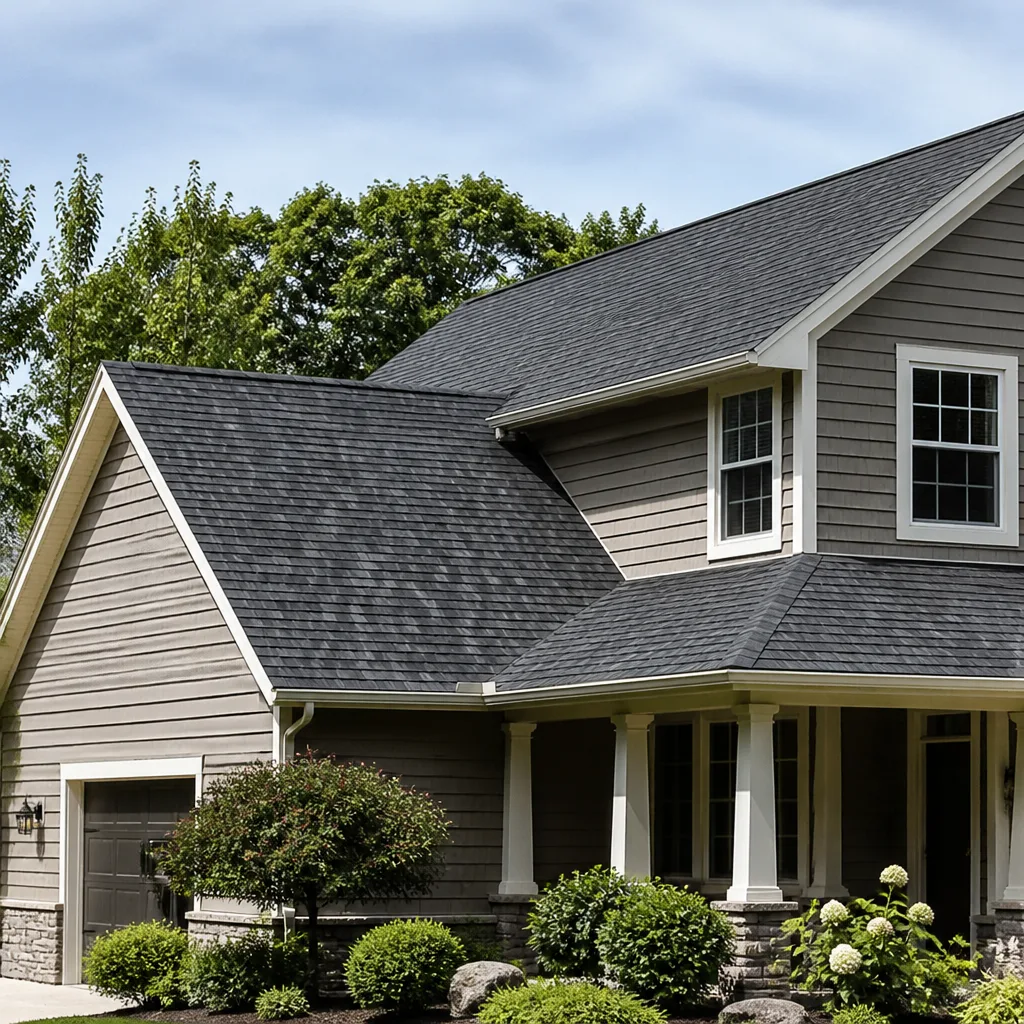 Owens Corning
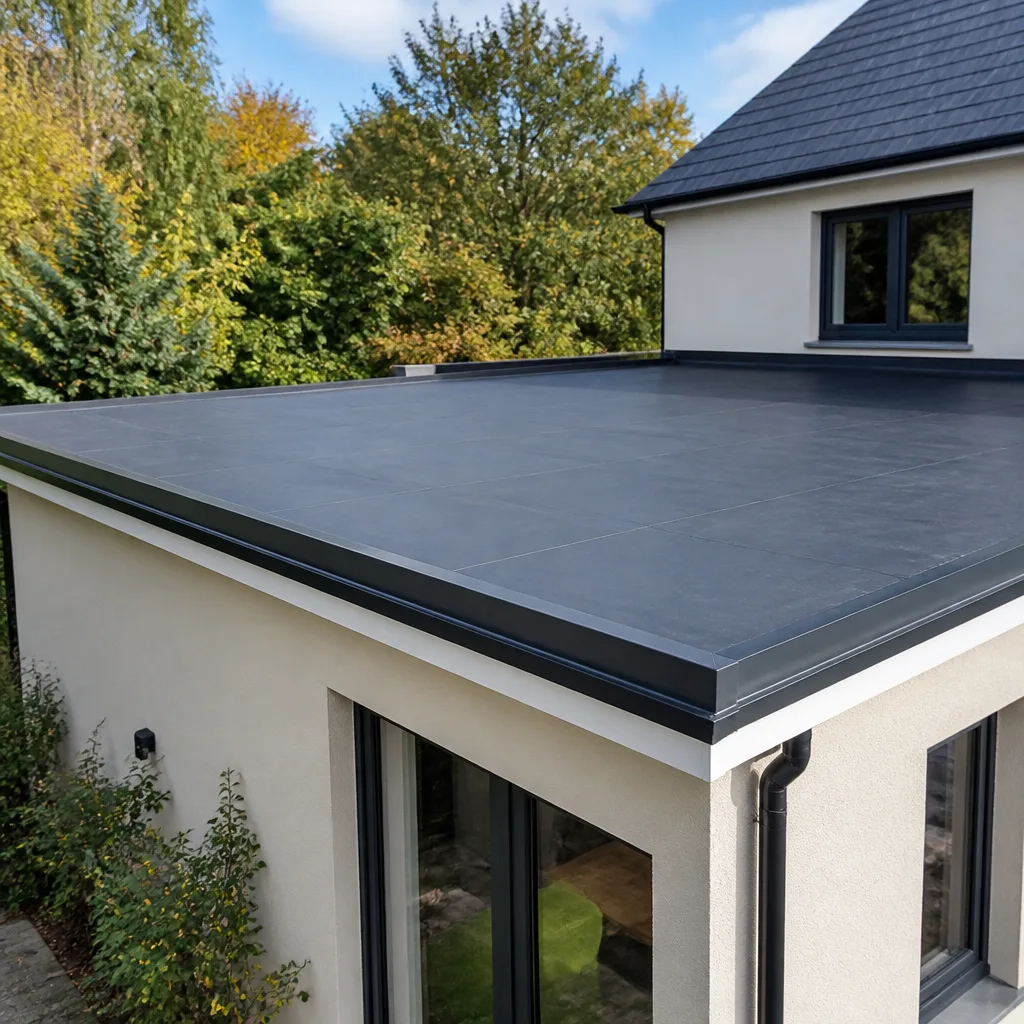 Flat & low-slope
Free roof inspection with deck photos before we talk money - GAF and Owens Corning certified installation
DIY vs Professional Roofing: The Pasadena Homeowner’s Decision Guide
Most roofing guides start with whether you can do the work. Here’s the part they skip: in California, you can legally roof your own house, reroof it, tear it off, and put it all back with your own two hands. But the moment you sell that home, any unpermitted roof work becomes a disclosed defect, and buyers in Pasadena know exactly how to use that to knock $15,000 off the price. So the real question isn’t whether you’re handy enough. It’s whether the savings today survive the resale inspection tomorrow. This guide walks through the actual decision factors: California licensing law, what Pasadena’s building department requires, the roof geometries on local homes that make amateur work dangerous, and the true cost comparison nobody puts on a spreadsheet. You’ll leave knowing exactly which jobs are reasonable to take on and which ones belong with a licensed crew.
Styles & brands we work with
Quick Answer
For most Pasadena homeowners, professional roofing is the financially sound choice on any job involving tear-off, structural repair, or more than a small patch, because unpermitted DIY roof work becomes a mandatory disclosure at resale and can reduce a sale price by far more than the labor you saved. Simple maintenance tasks like gutter cleaning, replacing one cracked tile, or resealing a small flashing joint are genuinely reasonable DIY projects-see our Roofing Company Maintenance Checklist for Pasadena Homeowners for a full schedule. Anything beyond that involves California’s C-39 licensing law, owner-builder permit rules, and roof geometries on Pasadena’s Craftsman and Spanish Revival homes that create fall risks most homeowners don’t recognize until they’re on the roof.
Table of Contents
- What California Law Actually Says About DIY Roofing
- Why Pasadena Roofs Are Harder Than They Look
- The Real Cost Comparison: Beyond Labor Savings
- What a Prepared Homeowner Can Honestly Take On
- Permits, Documentation, and Resale Protection
- The Insurance Coverage Gap During DIY Work
- Common Mistakes to Avoid
- When to Call a Professional
- Frequently Asked Questions
- The Bottom Line
What California Law Actually Says About DIY Roofing
California’s Contractors State License Board (CSLB) draws a clear line: any roofing job performed for compensation requires a C-39 roofing contractor’s license. That’s straightforward. What confuses homeowners is the owner-builder exemption. Under California Business and Professions Code section 7044, a homeowner can act as their own contractor on their own primary residence without holding a license. You can pull the permit, do the work, and sign off as the owner-builder. Legal, yes. Simple, no.
The gray zone has three tasks that trip people up:
- Structural modifications. If your roof repair touches the framing, rafter tails, or any load-bearing component, the owner-builder permit triggers additional plan review in Pasadena. You’ll need drawings that show the existing and proposed structure. Most homeowners stall here because the city’s plan checker asks for details that require engineering knowledge.
- Electrical work near the roofline. Installed a new roof vent, attic fan, or skylight that ties into wiring? The electrical portion technically requires a separate permit and, in Pasadena, an electrical inspection. You can do it as an owner-builder, but the wiring must meet current California Electrical Code, not the code from when your house was built.
- Multi-family roofing. The owner-builder exemption applies to your primary residence. It does not apply to a duplex where you live in one unit and rent the other, an ADU that’s rented out, or any income property. Misclassifying those projects is an unlicensed contracting violation, and the CSLB does pursue that.
Our team at Birchbark Roofing Pasadena home has walked through enough owner-builder permit applications with clients to know the exact points where the process slows down. If you’re considering the DIY route for a permitted project, at minimum pull the permit before buying materials. The permit fee in Pasadena for a residential reroof typically runs between $300 and $800 depending on valuation, and getting it first forces the plan review conversation early, before you’ve spent money on shingles that might not meet current code.
Why Pasadena Roofs Are Harder Than They Look
A simple gable roof on a ranch house in the Midwest is one thing. Pasadena’s housing stock is another matter entirely. The Craftsman bungalows in Bungalow Heaven and across the Arroyo have steep 8:12 and 10:12 pitches with multiple dormers, intersecting gables, and wide overhanging eaves. The Spanish Revival and Mediterranean homes near the Caltech neighborhood add low-pitch clay tile sections that transition abruptly into steeper planes. That geometry creates two problems amateurs consistently underestimate.
First, fall risk. OSHA classifies any roof pitch above 7:12 as steep-slope, which requires fall protection equipment and anchor points. Most Pasadena Craftsman roofs sit right at or above that threshold on at least two planes. An amateur with a hammer and a good attitude has no place walking that surface without a harness, rope grab, and a properly installed anchor, and installing an anchor correctly is itself a skill. The injuries we hear about from homeowners who attempt steep-slope tear-offs are not twisted ankles. They’re fractured pelvises, spine injuries, and worse. This is the point in the guide where a real roofer tells you plainly: do not learn roofing on a roof that can kill you.
Second, the transition zones where two roof planes meet, or where a flat section drains into a pitched section, are where Pasadena’s rain season causes failures. These intersections need layered underlayment, correct flashing sequencing, and drainage planning that only comes from seeing hundreds of local roofs. A homeowner can lay shingles in a straight field and do fine. The same homeowner will struggle at the dormer valley or the chimney cricket, and that’s exactly where leaks begin six months later.
For a deeper look at local roofing patterns, see our guide on Roofing Company in Pasadena, which covers the most common leak points we find across the city’s architectural styles.
The Real Cost Comparison: Beyond Labor Savings
The DIY pitch always starts with labor. A professional reroof on a 1,500 square foot Pasadena home runs roughly $9,000 to $14,000 depending on material choice, tear-off, and roof complexity. Labor is typically 40-50% of that. So the logic goes: do it yourself and save five grand. The problem is that the real cost comparison includes line items most spreadsheets never show.
Here’s the honest breakdown for a typical owner-builder reroof on that same 1,500 square foot home:
- Material cost you’ll actually pay: $3,500 to $6,000. Home improvement stores charge retail. Contractors buy at wholesale rates through supplier accounts. Your shingle price per square will be 15-25% higher, which eats into the savings before you start.
- Material waste: A professional crew orders 8-10% extra shingles to cover cuts, mistakes, and damage. An amateur typically wastes 15-20% because of misfired nails, wrong cuts, and pieces blown off the roof by the first Santa Ana wind. On a $4,000 material order, that’s an extra $400 to $800 in waste.
- Tool and equipment: A roofing nailer rents for $40-60 per day. A dumpster for tear-off runs $350-500 in Pasadena. Safety harness, ropes, and anchors add another $150-300 if you buy them. Ladder, roof brackets, and a magnetic nail sweep add more. Realistic equipment cost: $800 to $1,200 before you’ve driven a single nail.
- Permit fees and inspection costs: $300 to $800 in Pasadena, plus your time in the permitting office.
- Your own time: A two-person professional crew tears off and reroofs a simple 1,500 square foot roof in 3-5 working days. A determined amateur working weekends will take 4-8 weeks. If you value your weekends at even $25 per hour, that’s $2,000 to $4,000 in time.
- Insurance risk (explained below): Potentially catastrophic, and unquantifiable until something goes wrong.
Add those together and the realistic savings on a full DIY reroof in Pasadena shrink to $2,000 to $4,000 before accounting for risk and resale impact. For a full tear-off and replacement, the math rarely works in the homeowner’s favor. For repairs and small patches, it often does, which is why the section below separates what’s genuinely reasonable from what’s not.
If you’re comparing replacement options, our Roof Replacement in Pasadena page details what a full professional replacement includes in our market, including current material costs for GAF and CertainTeed lines popular with local homeowners.
What a Prepared Homeowner Can Honestly Take On
Not every roof task needs a licensed crew. Some are genuinely manageable if you’re methodical, comfortable on a ladder, and willing to learn the correct technique before touching the roof. Here are the tasks we’d consider reasonable for a prepared Pasadena homeowner, with the honest limits of each.
Gutter cleaning and inspection. Three times a year in Pasadena, after the jacaranda bloom in spring, after leaf drop in fall, and once mid-winter if the Santa Anas are carrying debris. This is ground-to-ladder work. You’re not walking the roof. You’re checking drainage, clearing debris, and looking for granule buildup from aging shingles. Granule accumulation in the gutter is your early warning that the roof surface is degrading, which is information worth having. Limit: if you see granules in the gutter, don’t ignore it. That’s the roof telling you it’s entering the last third of its service life.
Replacing a single cracked tile. On Spanish Revival and Mediterranean homes around Pasadena, a single cracked clay tile is the most common repair. The technique is learnable: slide the broken tile up, clip it at the nail, slide the replacement into place. The risk is working on a tile roof, which is slippery when dusty and brittle under foot. Limit: if the cracked tile is on a steep plane, above a two-story drop, or near a valley, this job crosses from reasonable to hazardous.
Resealing a small flashing joint. A bathroom vent, pipe boot, or small step flashing that’s lifting can often be resealed with a high-quality roofing sealant. The key is cleaning the surface properly and using the right product for the material. Limit: if the flashing is rusted through, torn, or pulling away from the roof deck, sealant is a band-aid, not a repair.
Applying coating to a flat roof section. Pasadena has thousands of homes with flat or low-slope additions: sunrooms, garages, covered patios. Applying a silicone or acrylic roof coating to a small flat section is genuinely DIY-appropriate if you follow the manufacturer’s coverage rates and cure times. Limit: coating over existing leaks without diagnosing them first just hides the problem. If water is already getting inside, coating the top doesn’t fix the source.
Each of these tasks has one thing in common: they don’t involve tear-off, structural work, or walking on steep surfaces. The line between reasonable and risky is usually drawn at whether the job requires removing existing roofing material beyond a single piece.
Permits, Documentation, and Resale Protection
Here’s the California reality most guides don’t explain clearly enough. When you sell a home in Pasadena, the California Association of Realtors contract includes a Transfer Disclosure Statement. On that form, you must disclose any significant work performed on the property during your ownership. If you reroofed the house yourself without a permit, you must disclose that. Buyers and their agents know that unpermitted work means the work was never inspected by the city, and that unknown is a negotiation weapon.
What happens when an unpermitted DIY roof shows up at sale:
- The buyer’s home inspector flags the roof. The inspector can’t verify what’s underneath the shingles: underlayment type, deck condition, flashing details, ventilation. Everything becomes a question mark.
- The buyer’s lender may require a roof certification if the roof appears new but has no permit history. That certification typically requires a licensed contractor inspection and often reveals problems.
- The buyer’s agent requests a credit. In Pasadena’s market, we’ve seen unpermitted roofs translate into price reductions of $8,000 to $20,000 depending on the home’s price point and the buyer’s leverage.
- The seller either accepts the credit or pays to have a licensed contractor pull a permit retroactively, which in the city of Pasadena is a more involved process than getting the permit originally.
The protection is documentation. If you choose to do owner-builder work, here’s how to do it correctly:
- Pull the building permit before any work begins. The City of Pasadena’s Permit Center is at 175 North Garfield Avenue. Bring your project description, roof plan, and photos. The staff will tell you what your specific project triggers.
- Take photos at every stage. After tear-off, after underlayment, after flashing installation, before shingles, after completion. These photos are your evidence at resale that the work was done correctly even if the inspector only saw two of those stages.
- Keep every material receipt. The underlayment, the shingles, the flashing, the sealant. If a buyer questions what’s under the roof surface, receipts prove material quality.
- Schedule the required inspections. For a roof replacement, Pasadena typically requires a sheathing/deck inspection before underlayment and a final inspection after the roof is complete. Do not skip the intermediate inspection. The final inspection doesn’t cover what’s already been covered up.
- Get the final sign-off in writing. The permit is only closed when the city signs the job card and issues the final approval. An open permit is worse than no permit at disclosure time.
For most homeowners, the documentation burden is as onerous as the roofing itself. That’s part of why the professional route wins for full replacements, and we see that decision play out weekly at our Roof Repair in Pasadena service area when homeowners call halfway through a DIY project that stalled at inspection.
The Insurance Coverage Gap During DIY Work
Most Pasadena homeowners don’t realize that their homeowner’s insurance policy has specific exclusions for construction activity. When you hire a licensed contractor, their general liability insurance covers property damage and their workers’ compensation policy covers employee injuries. When you do the work yourself, neither policy exists.
Here’s what that means in practice. If you drop a bundle of shingles through your own skylight, your homeowner’s insurance may deny the claim, arguing that the damage arose from construction activity rather than a covered peril. If your neighbor’s car is damaged by debris blown off your roof during the project, their insurance may come after you personally. If a friend helping you gets injured, they can sue you, and your homeowner’s liability coverage may not apply because the injury occurred during construction work. It’s a genuine gap, and it’s one of the least-discussed costs of DIY roofing.
A licensed contractor carries both general liability and workers’ compensation. When you hire, you’re also purchasing the transfer of that risk. When our crews work in Pasadena, our technicians are background-checked and uniformed, and they’re covered by policies that most homeowners couldn’t purchase independently for a single project. That’s part of what you’re paying for beyond labor: the transfer of liability from your policy to ours.
Common Mistakes to Avoid
- Starting without a permit because the job “seems small.” In Pasadena, repairs that exceed 10% of the roof area or replace structural components require a permit. A “small” repair that turns out to be large becomes an unpermitted project at resale.
- Walking a steep roof without fall protection. The Craftsman and Spanish Revival roofs common in Pasadena sit at pitches that a professional crew won’t work without harnesses and anchor lines. An amateur walking the same surface unprotected is taking a risk with consequences that no savings justifies.
- Using sealant as a structural repair. A tube of sealant is not a roof replacement. Homeowners in Pasadena’s older housing stock often try to extend an aging roof with repeated “patch jobs” that don’t address the underlying failure.
- Overlaying new shingles over old ones. A second layer of shingles hides the deck condition, adds weight, and traps heat. It also creates a second tear-off cost down the road. In Pasadena’s climate, with summer roof temperatures regularly hitting 150 degrees, layering compounds the heat problem.
- Ignoring the underlayment stage. The shingles you see are only the wearing surface. The waterproofing is the underlayment beneath them. Amateur installs often skip or skimp on this layer, which is the difference between a roof that lasts 30 years and one that leaks in six months.
- Buying materials before understanding the permit requirements. Pasadena’s building department will want to know the specific product you’re using and whether it meets current California Building Code. Buying whatever’s cheapest at the home store can put you at odds with the plan checker before you start.
When to Call a Professional
Call a professional when the job involves tear-off of more than a small repair area, any structural work, valley or transition reflashing, or any surface you can’t comfortably walk with fall protection; our step-by-step guide to hiring a roofing contractor in Pasadena explains what to look for. Call when the existing roof shows signs of saturation: curling shingles, granule loss, soft spots in the deck. Call when the roof is aged past 15 years on a Pasadena home, because the underlying issues are usually worse than the surface suggests. Birchbark Roofing Pasadena offers free estimates in Pasadena, and our written price before any work starts means you’ll know the exact number before deciding anything. Call (626) 657-5397 to schedule yours.
Frequently Asked Questions
Yes, California law allows a homeowner to act as an owner-builder on their own primary residence without a contractor’s license, provided they pull the proper permits, perform the work to code, and pass inspections. The exemption does not apply to rental properties, income units, or work done for compensation. The legal right exists, but the resale disclosure requirement means unpermitted work becomes an issue when you sell.
For small, contained repairs like replacing one cracked tile or resealing a single flashing joint, DIY roof repair in Pasadena can save $200 to $500 and is generally reasonable if you’re comfortable on a ladder and work safely. For anything involving tear-off, structural work, or steep sections, the risk-to-savings ratio favors hiring a licensed contractor. Most Pasadena roof repairs fall between $400 and $1,600 when professionally done, depending on scope.
A full roof replacement on a typical Pasadena home runs $9,000 to $14,000 depending on roof size, pitch, material choice, and tear-off requirements. Smaller homes and simple roofs can come in around $7,500, while large Craftsman or Spanish Revival homes with complex geometries can exceed $20,000. A written estimate before any work starts is standard practice for reputable contractors.
You must disclose the unpermitted work on the Transfer Disclosure Statement, and buyers can use it to negotiate a price reduction or demand retroactive permitting. Unpermitted roofs commonly cost sellers $8,000 to $20,000 in concessions or repairs at closing in Pasadena’s market. The safest approach is to permit and document any DIY work properly from the beginning.
A professional crew typically completes a full tear-off and replacement on a standard Pasadena home in 3 to 5 working days, weather permitting. Complex roofs with multiple planes, tile, or structural repairs can extend that to 7 to 10 days. The same job as a weekend DIY project typically takes 4 to 8 weeks.
Small repairs covering less than 10% of the roof area and not involving structural components generally don’t require a permit in Pasadena. Anything beyond that, including full replacements, structural repairs, and major reflashing, does. When in doubt, call the city’s Permit Center at (626) 657-5397 for an exact answer, or ask your contractor to handle the permit process, which is standard practice.
The Bottom Line
The DIY-versus-professional roofing decision in Pasadena comes down to three factors most guides skip: California’s licensing law, resale disclosure requirements, and the roof geometry on local homes. For more guides & resources on protecting your home, explore our blog. For small repairs and maintenance, a careful homeowner can save money and do the job right. For tear-offs, replacements, structural work, and anything on a steep surface, the licensed route protects your safety, your resale value, and your insurance position. The savings from DIY on a full reroof rarely survive contact with material costs, waste, equipment, and the resale disclosure requirement. When the job needs a professional, call (626) 657-5397 for a free estimate and a written price before any work begins.
Written by Erik Lindgren, Owner at Birchbark Roofing Pasadena, serving Pasadena since 2000.
See the difference
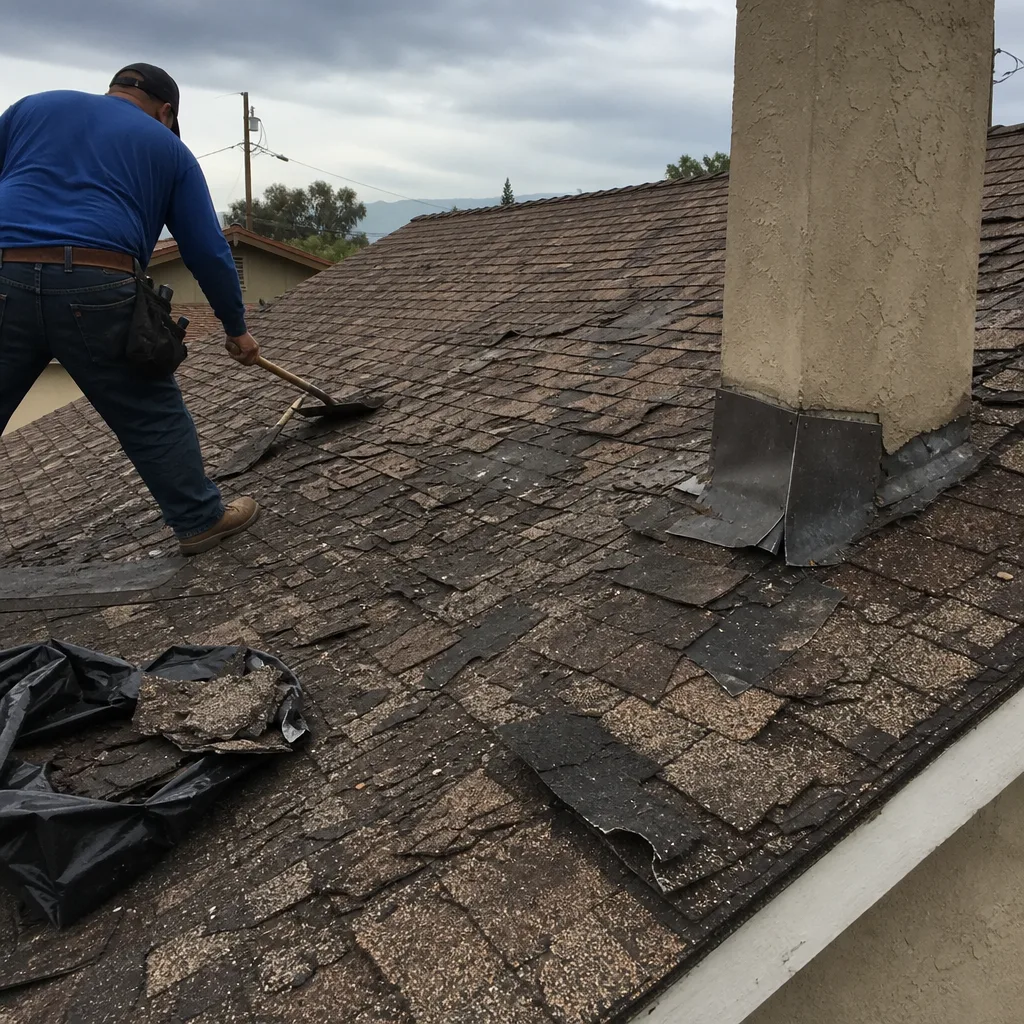 Before
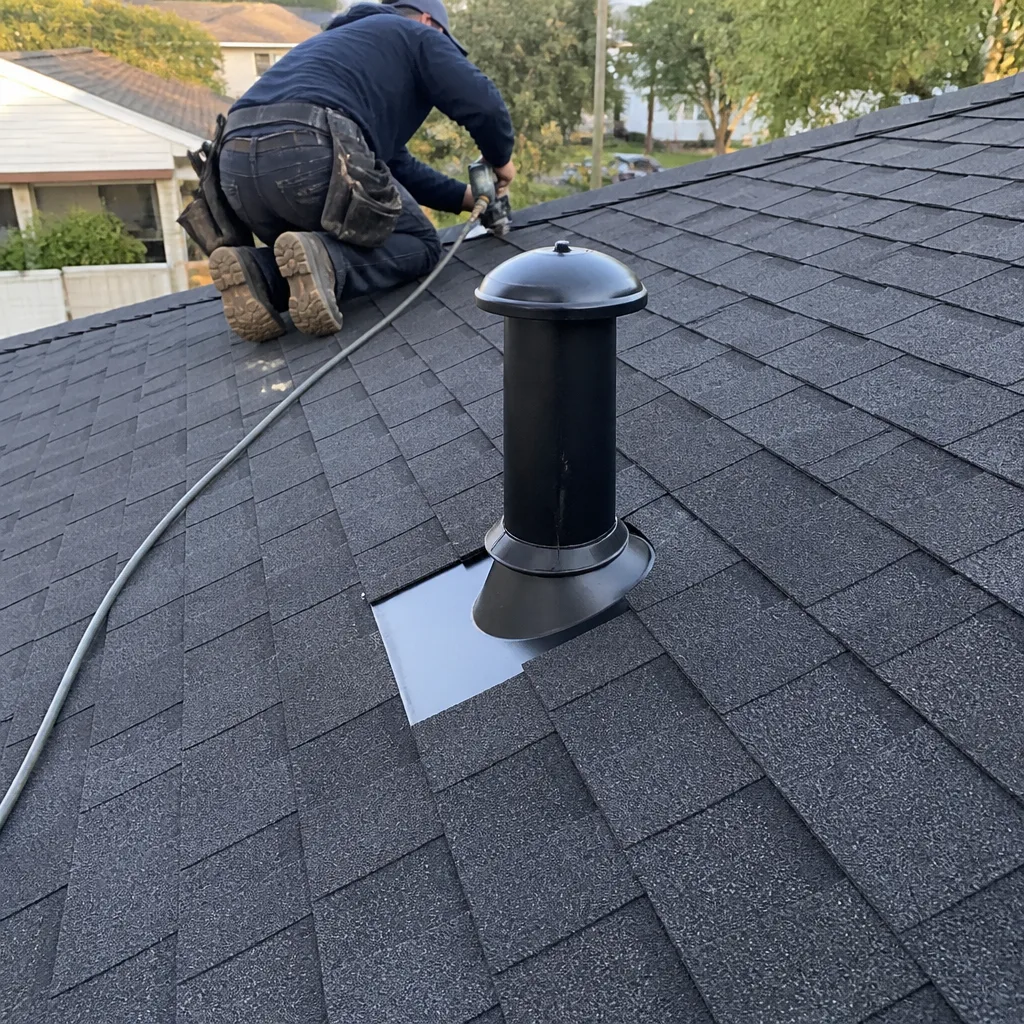 After
After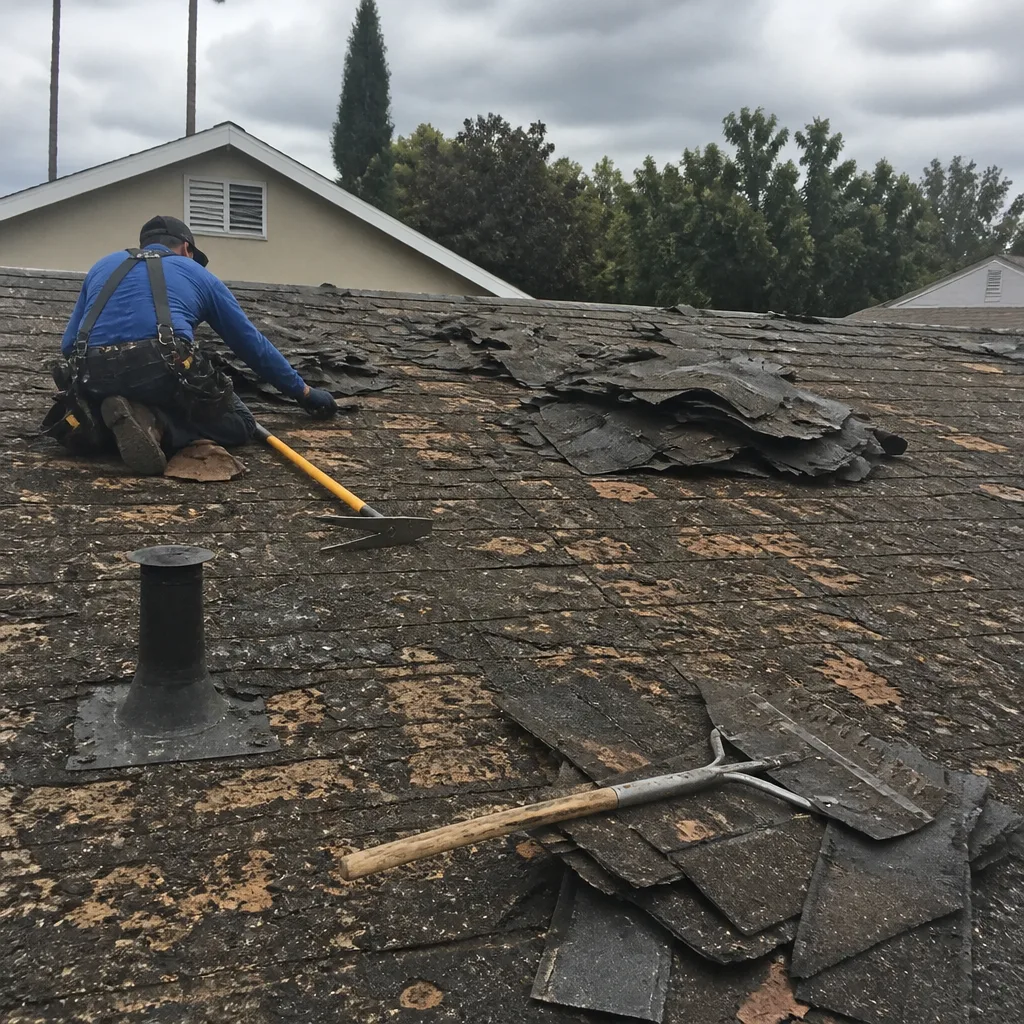 Before
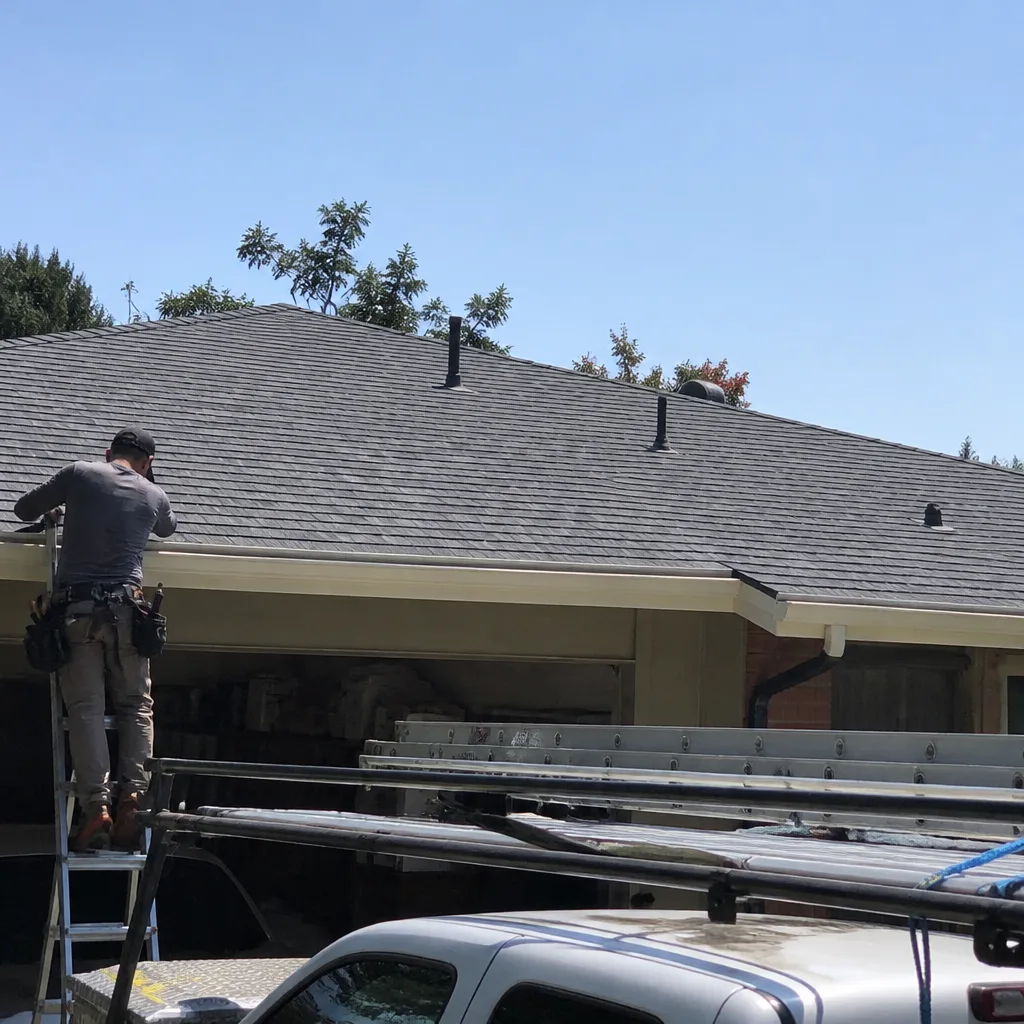 After
After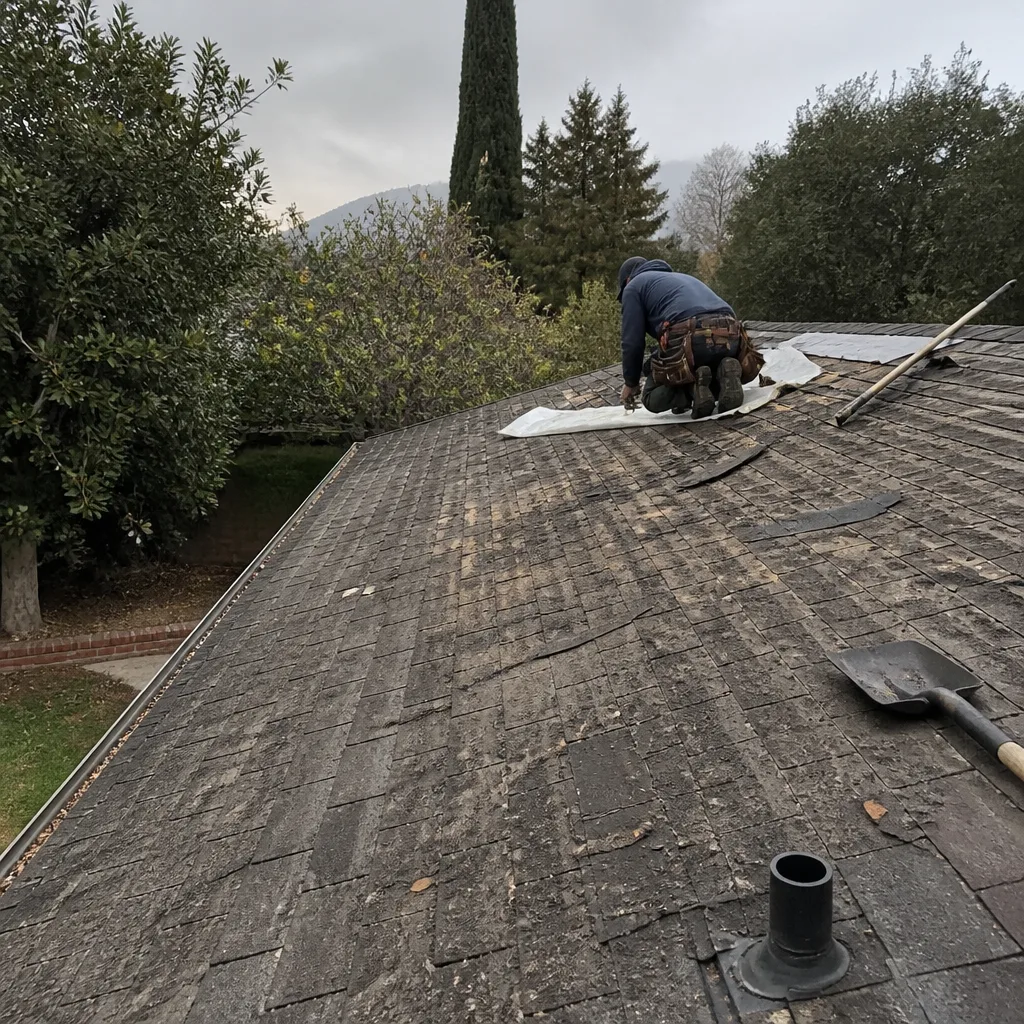 Before
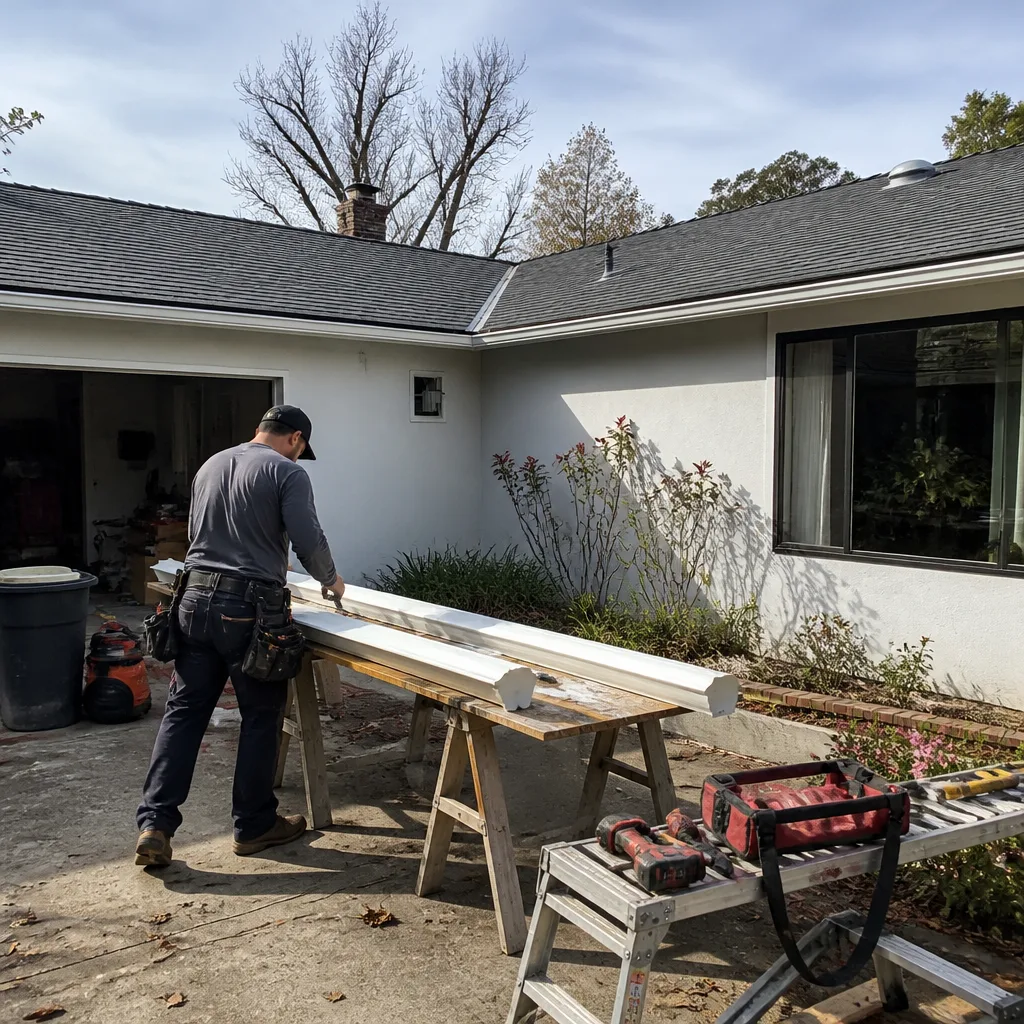 After
After