
Last updated October 17, 2026
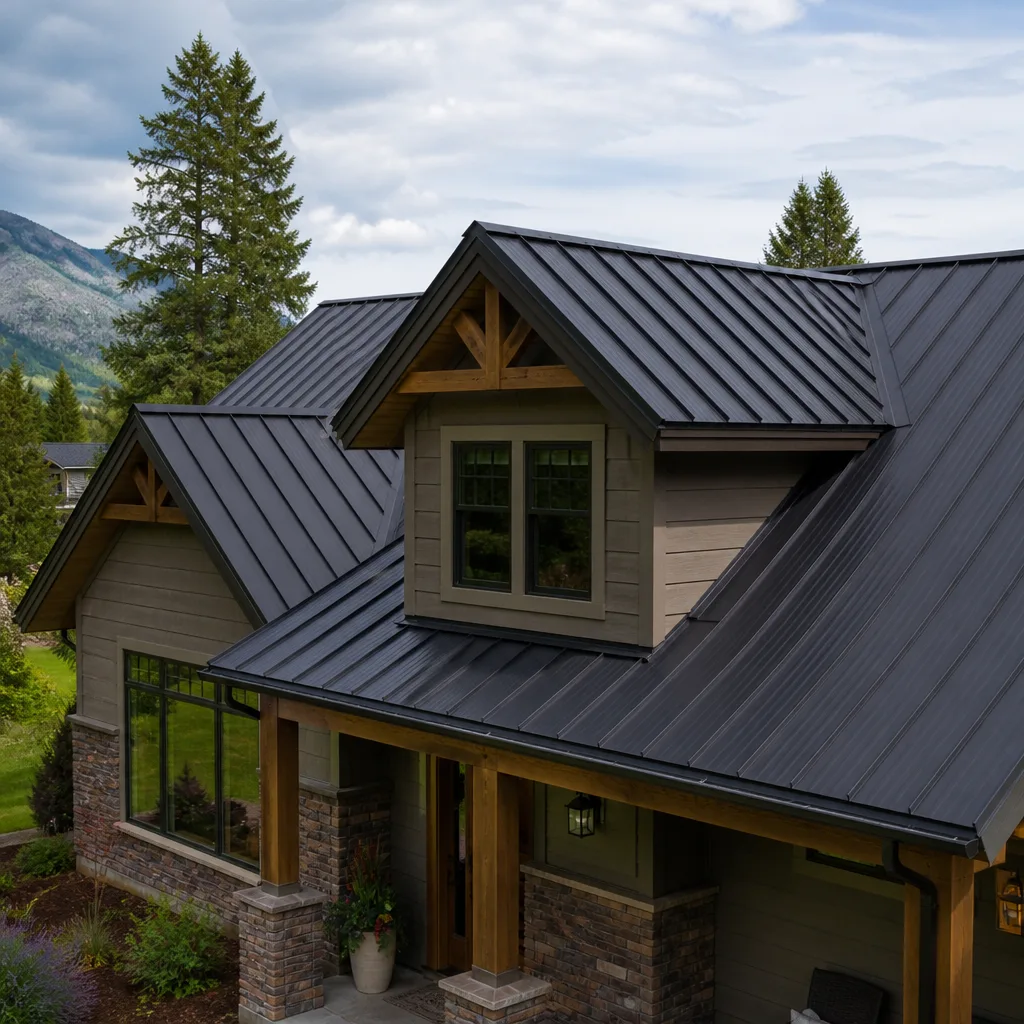 Metal roofing
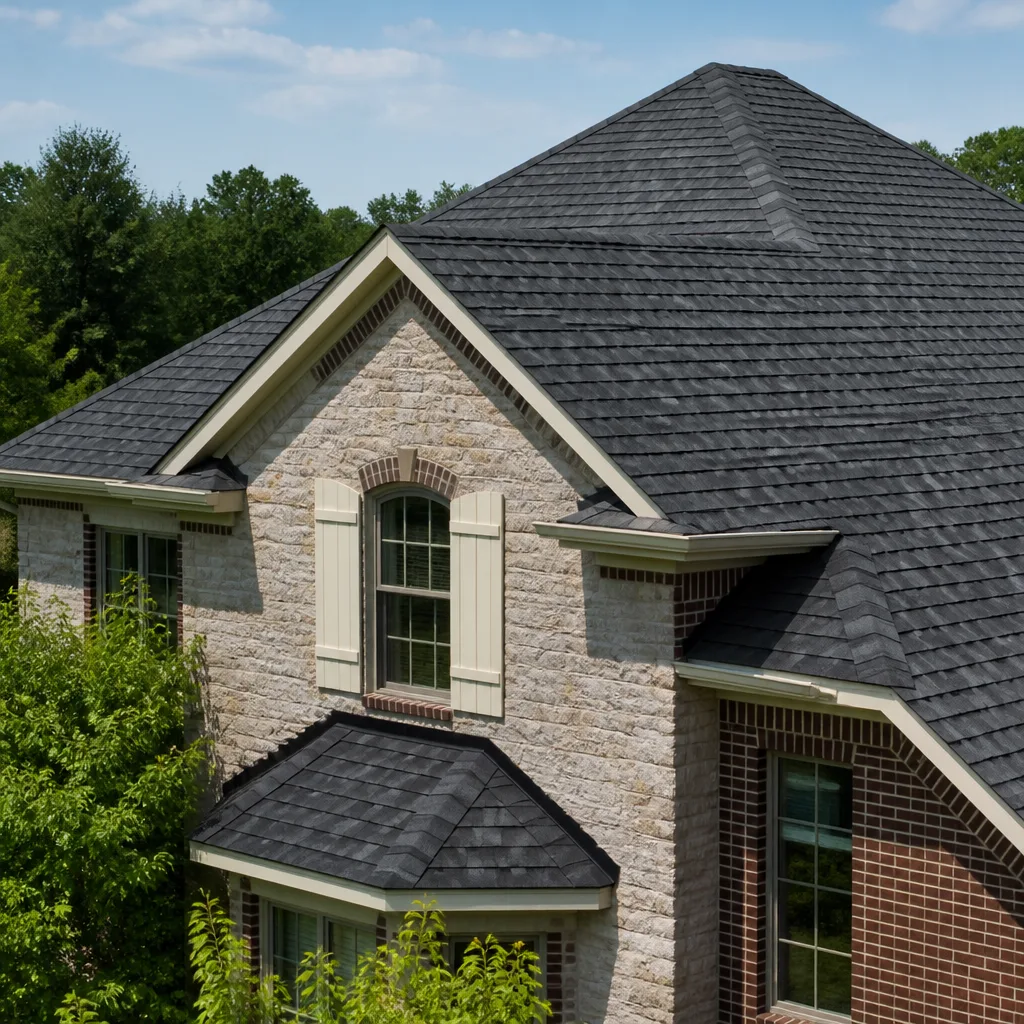 Architectural shingles
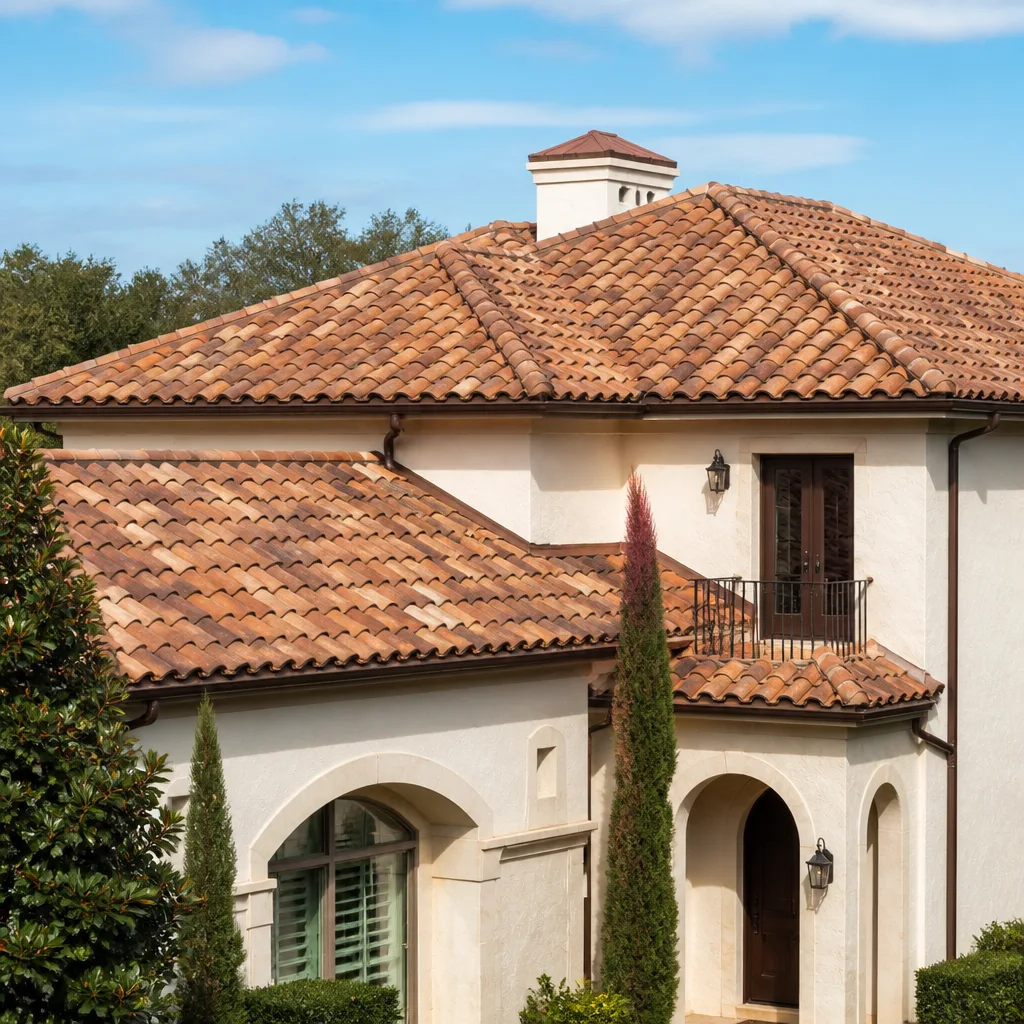 Tile roofing
 GAF
GAF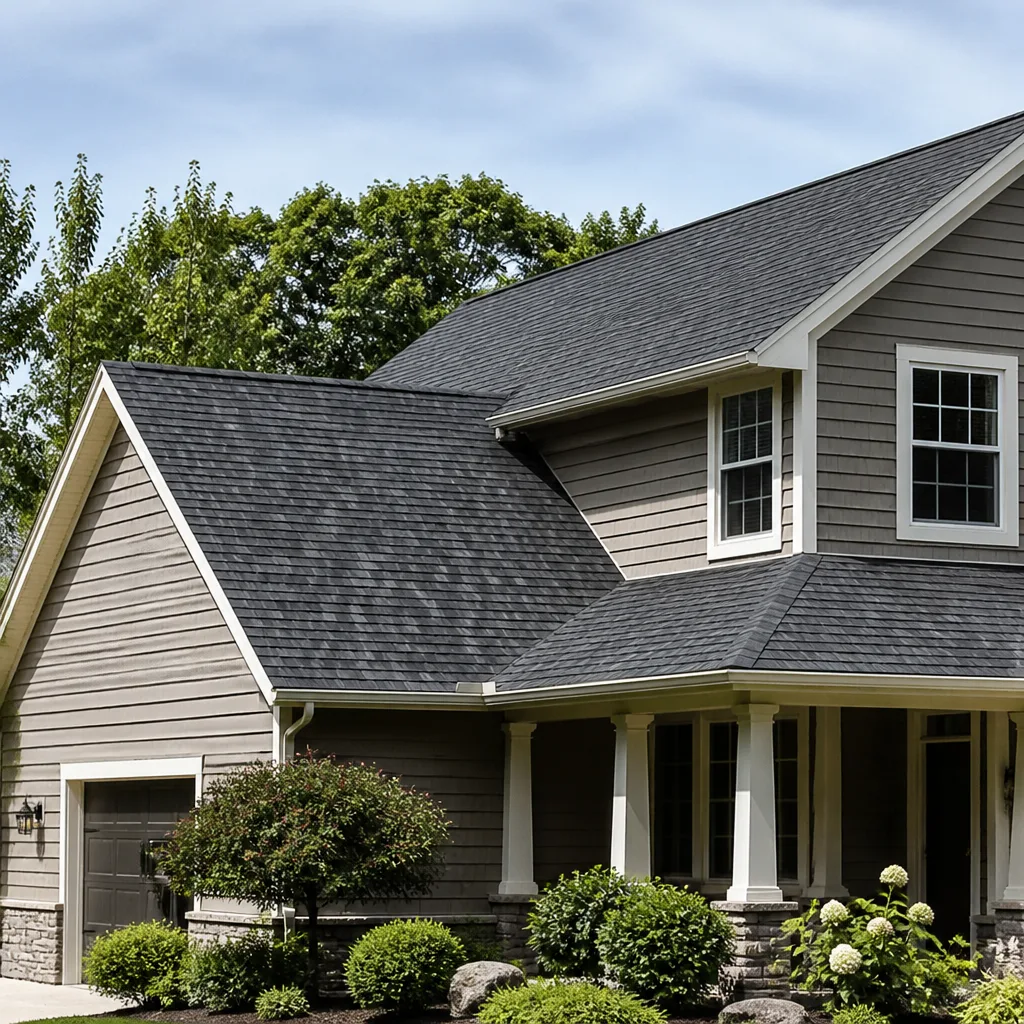 Owens Corning
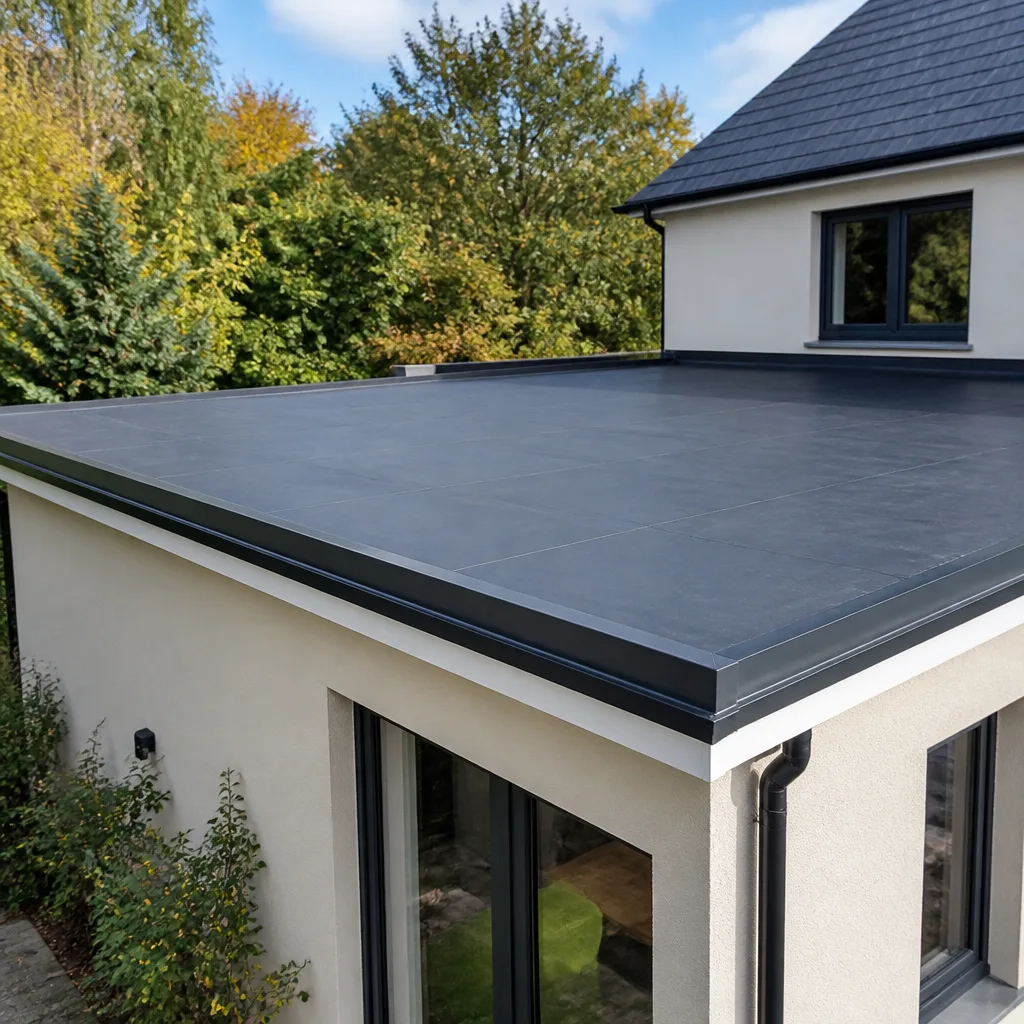 Flat & low-slope
Free roof inspection with deck photos before we talk money - GAF and Owens Corning certified installation
Roofing Permits, Codes & Inspections in CA: What You Need to Know
A Pasadena homeowner recently discovered their 2019 reroof had no permit pulled. The contractor wasn’t being shady – neither party knew that replacing more than 10% of roof sheathing automatically triggers a full permit in California, not just a reroof notice. That one oversight now sits in the property’s title history, waiting to surface during a sale. This guide walks you through exactly how California’s roofing permit system works, where Pasadena’s rules diverge from neighboring cities, and how to avoid the same expensive surprise. You’ll learn what triggers a permit, what inspectors actually check, and what it costs to fix unpermitted work before it becomes a buyer’s problem.
Quick Answer
In California, a roofing permit is required whenever a project goes beyond a basic repair – specifically when more than 10% of the roof sheathing is replaced, when the roof structure itself is modified, or when you’re doing a full reroof. In Pasadena, the city’s own amendments to the California Building Code add documentation and inspection requirements that neighboring cities like Arcadia or Monrovia don’t have. What a permit inspection actually checks depends on the stage: deck condition, underlayment installation, and final material fastening.
Styles & brands we work with
Table of Contents
- What Triggers a Roofing Permit in California
- How Pasadena’s Rules Differ From Surrounding Cities
- Why Tile Roofs Almost Always Cross the Permit Threshold
- The Three Stages of a Roof Permit Inspection
- How Unpermitted Roofing Work Shows Up in Title Searches
- Who Should Pull the Permit: Homeowner vs. Contractor
- What Permits and Inspections Cost in Pasadena
- Common Mistakes to Avoid
- When to Call a Professional
- Frequently Asked Questions
What Triggers a Roofing Permit in California
California Building Code (CBC) Section 105.1 sets the baseline: any project that alters a building’s structure, plumbing, electrical, or mechanical systems requires a permit. For roofing, the practical line comes down to what’s being replaced and how much of it. A patch repair – replacing a few torn shingles or sealing a small leak – typically falls under exempt work. But once you start removing and replacing decking, you’ve crossed into permit territory.
The specific thresholds that matter most:
- More than 10% of roof sheathing replaced: This is the big one. California treats sheathing as structural. Once you’re replacing more than one in ten sheets of plywood or OSB, the building department wants to see it – and wants it inspected before it gets covered up.
- Any change to the roof structure: Adding a dormer, changing the roofline, reinforcing rafters, or installing a new truss system all require structural review and a permit, no exceptions.
- Full reroof (tear-off and replace): In nearly every California jurisdiction, a complete tear-off and replacement requires a permit. This is true even if the sheathing is in perfect condition.
- Changing the roofing material type: Switching from asphalt shingles to tile, or from wood shake to metal, changes the roof’s weight load. Building departments want to verify the structure can handle it.
What surprises most Pasadena homeowners is how easily the 10% sheathing threshold gets crossed. Roofing crews open up a section for a leak repair and find dry rot. They pull one sheet, then two, then five. Before anyone thinks about permits, the job has become a structural repair in the eyes of the city. Our team at Roof Repair in Pasadena sees this regularly – a “simple patch” that turns into a code-triggering replacement once the decking is exposed.
It’s worth being blunt about the risk: unpermitted structural work can void a homeowner’s insurance claim if the roof later fails. Insurers look for reasons to deny, and an unpermitted reroof is one of the easiest reasons they find. The permit is less about bureaucracy and more about creating a paper trail that protects you when something goes wrong.
How Pasadena’s Rules Differ From Surrounding Cities
Pasadena operates under the California Building Code, but the city publishes its own amendments through the Pasadena Municipal Code. These amendments matter more than most homeowners realize, because they change what gets inspected and when.
Here’s what Pasadena does differently from its neighbors:
- Cool roof documentation: Pasadena’s energy code provisions require documentation of the roofing material’s solar reflectance and thermal emittance for any reroof over a certain square footage. Arcadia and Monrovia enforce the state baseline, but Pasadena asks for the compliance forms at plan check, before the permit is issued.
- Historic district reviews: If you live in a Pasadena historic district – Bungalow Heaven, Madison Heights, or the areas around the Gamble House – a reroof may require design review before the building permit is issued. That can add two to four weeks to the timeline, and it applies even if you’re keeping the same material type.
- Inspection scheduling windows: Pasadena’s building department schedules inspections by day, not by time window. You or your contractor needs to be on-site for the full day. Monrovia and Arcadia offer narrower windows in some cases, which makes scheduling slightly less painful across the city line.
- Re-roof overlay restrictions: Pasadena restricts re-roofing over existing shingles more tightly than some neighboring cities. The city generally requires a full tear-off when the existing roof is at the end of its service life, rather than allowing a second layer of shingles.
The practical takeaway: if a contractor tells you “we don’t need a permit for this,” that answer might be true in one city and false in Pasadena. At our roofing company in Pasadena, we check the city’s current amendment list on every project before quoting, because the rules shift. It costs an hour of research and saves homeowners from a surprise stop-work order.
Why Tile Roofs Almost Always Cross the Permit Threshold
Tile roofs deserve their own section because they interact with California’s permit rules in a specific way. If your Pasadena home has a tile roof – and many do, especially in the Craftsman and Spanish Revival styles common across the city – any repair that involves removing tile almost always triggers the 10% sheathing rule.
Here’s why. Tile is heavy. Clay tile weighs between 6 and 15 pounds per square foot, compared to 2 to 4 pounds per square foot for asphalt shingles. When a section of tile roof leaks, the water often sits against the underlayment and sheathing longer than it would on a shingle roof, because tile is less porous and traps moisture beneath it. By the time a homeowner notices the leak, the decking underneath is frequently damaged. The repair crew pulls tile, finds rotten sheathing, and the job crosses from “repair” to “structural replacement” in the first hour.
Pasadena’s climate adds another layer. The city’s hot, dry summers and occasional heavy winter rain create a wet-dry cycle that’s particularly hard on tile underlayment. The underlayment degrades, then the sheathing gets wet, then the repair scope expands. Brands like Boral and CertainTeed make tile products designed for this specific challenge, but the engineering doesn’t change the permitting math.
If you have a tile roof and you’re planning any repair larger than a few square feet, assume the permit will be required. It’s the safer planning assumption in Pasadena, and it’s a conversation we have with nearly every tile roof homeowner who calls us.
The Three Stages of a Roof Permit Inspection
When a roofing permit is pulled in Pasadena, the city schedules inspections at defined stages. Understanding what gets checked helps homeowners see why the permit process exists – it’s not busywork, it’s verification that the roof will actually keep water out.
Stage 1: Deck Condition Inspection
After the old roofing is torn off and before any new material goes down, the inspector looks at the exposed sheathing. What fails most often at this stage: rotted decking that should have been replaced but wasn’t, improper fastening to the rafters, and sheathing that’s too thin for the new roofing material’s weight. On tile roofs, this stage is where the inspector verifies that the deck can carry the load. If the inspector finds problems here, the job stops until corrections are made.
Stage 2: Underlayment and Flashing Inspection
Once the decking passes, the crew installs the underlayment and flashing. The inspector returns to check that the underlayment is the correct type for the roofing material, that it’s lapped correctly, and that flashing at valleys, penetrations, and walls is installed properly. This is the stage where water intrusion gets prevented or enabled. Most failures at this stage involve incorrect lap direction, missing ice-and-water shield in required areas, or flashing that’s not properly integrated with the wall system.
Stage 3: Final Material Fastening Inspection
The last inspection happens when the roofing material is installed. The inspector checks fastening patterns, material overlap, edge details, and drainage. For asphalt shingles, it’s nail placement and count. For tile, it’s the fastening method – whether tiles are nailed, screwed, or adhered, and whether the manufacturer’s wind uplift requirements are met. This stage is where brand-specific installation requirements from manufacturers like GAF come into play; the city enforces the manufacturer’s published requirements as part of code compliance.
Missing any one of these inspection stages means the permit never gets final sign-off, which leaves the project in a permanent “open permit” state – and that’s exactly what comes up during a title search.
How Unpermitted Roofing Work Shows Up in Title Searches
The connection between roofing permits and home sales catches many Pasadena homeowners off guard. Here’s how it works.
When you sell a home, the title company runs a search that includes the building department’s permit history. If a reroof was done without a permit, one of two things happens. Either the title company finds a permit that was pulled but never finaled (an “open permit”), or it finds a roof that was clearly replaced based on visual evidence and tax records but has no permit history at all. Both situations create a disclosure obligation.
In California, sellers must disclose known unpermitted work. The disclosure itself doesn’t necessarily kill the sale, but it does three things: it gives buyers leverage to negotiate the price down, it delays closing while the buyer investigates, and it can trigger the buyer’s lender to require remediation before funding. That remediation typically means pulling a permit retroactively, opening the roof for inspection, fixing whatever doesn’t pass, and paying penalties.
The cost of remediation varies widely. Permit penalties in Pasadena are typically calculated as a multiple of the original permit fee, and the total cost to open, inspect, repair, and close an unpermitted roof ranges from $2,000 to $8,000 or more, depending on what the inspection uncovers. The cost of pulling the permit correctly the first time: a few hundred dollars plus inspection scheduling. When you frame it that way, the unpermitted roof is a very expensive shortcut.
We’ve also heard from buyers who walked away from a house entirely because of unpermitted roof work. It signals to them that other hidden corners were cut, and in a competitive market, buyers can afford to be picky. At Roof Replacement in Pasadena, we always pull permits because we know that our work will eventually be scrutinized – by the city during construction and by a title company when the home sells.
Who Should Pull the Permit: Homeowner vs. Contractor
California law gives homeowners the right to pull their own building permits for work on their own residence. Legally, you can act as your own contractor. Practically, a roofing permit should be pulled by whoever is doing the roofing work, and that should be a licensed contractor.
Here’s the distinction that matters. When a contractor pulls the permit, the contractor’s license number is attached to the permit record. That means the contractor is legally responsible for passing inspections and correcting failures. When a homeowner pulls the permit and hires a contractor to do the work, the homeowner assumes responsibility for code compliance. If the work fails inspection, the homeowner is the one the city calls.
Most reputable roofing contractors in Pasadena pull permits as a standard part of the job. It protects the contractor as much as the homeowner, because a finaled permit is proof that the work was done to code. If a contractor resists pulling a permit, that’s a signal worth taking seriously. The most common reasons for resistance are:
- The contractor is unlicensed and can’t pull a permit legally.
- The contractor is licensed but has unresolved code violations tied to their license.
- The contractor is trying to undercut the competition’s price by skipping the permit fee and inspection time.
- The contractor knows the work won’t pass inspection.
None of those reasons benefit the homeowner. If a roofing contractor tells you a permit isn’t necessary, ask them to put that in writing and confirm it against Pasadena’s current code. And if they resist pulling the permit, call a different contractor. Erik Lindgren has built our process around this exact principle: the permit is part of the job, the written price includes it, and it’s never optional.
What Permits and Inspections Cost in Pasadena
Roofing permit fees in Pasadena are calculated based on the project’s valuation, which is the total cost of the work including materials and labor. For a typical residential reroof, the permit fee generally runs between $300 and $800, depending on the roof’s square footage and the project’s total valuation. On larger or more complex roofs – steep slopes, tile, multiple stories – the fee can climb past $1,000.
The permit fee covers the plan review and the inspection visits. There may be additional charges for reinspection if a stage fails and the inspector has to return. Some Pasadena neighborhoods with historic designation also add a design review fee, which is separate from the building permit.
In terms of timeline, a standard reroof permit in Pasadena typically takes five to ten business days for plan review and issuance. Historic district projects add two to four weeks for design review. The inspection process itself adds one to three days to the construction timeline, depending on inspector availability and whether any corrections are needed.
Every quote we provide at Birchbark Roofing Pasadena includes the permit fees as a line item in the written price. There’s no change order for “we discovered we need a permit.” The permit has been built into the plan from the start, just like the shoe covers, the drop cloths through the hallway, and the photo of the completed clean-up before our crew leaves.
Common Mistakes to Avoid
- Skipping the permit because “it’s just a reroof.” A full reroof always requires a permit in Pasadena. The 10% sheathing threshold is crossed almost immediately on older homes. The cost of retroactive permitting after the fact is typically three to ten times the cost of doing it right the first time.
- Assuming the contractor’s word is enough. When a contractor says a permit isn’t needed, verify with the city directly. Pasadena’s building department will confirm in a five-minute phone call. If the contractor is wrong, the unpermitted work is still your problem as the property owner.
- Failing to keep the permit documents after final inspection. The finaled permit is your proof of compliance. Store it with your home records. You’ll need it when you sell, when you make an insurance claim, or when you refinance and the lender asks about recent work.
- Overlaying new shingles over old without checking code. Pasadena restricts reroof overlays more than many surrounding cities. A contractor who routinely works in Arcadia might legally do an overlay there and come to Pasadena assuming the same is fine. It often isn’t.
- Pulling the permit as the homeowner, then hiring an unlicensed crew. When you pull the permit, you become the general contractor in the eyes of the law. If an unlicensed worker is injured on your roof, you carry the liability. Worker’s compensation coverage only applies when the contractor carries it.
- Not budgeting for the permit in the quote. A permit costs a few hundred dollars. A surprise permit that never got pulled costs thousands in remediation. Every written price we give includes the permit line, so it’s never a surprise.
When to Call a Professional
Any project that touches the roof’s structure, replaces significant sheathing, or involves a full reroof is a job for a licensed contractor who will pull the permit and stand behind the work. The expertise isn’t just in the roofing technique – it’s in knowing what the city’s inspectors will look for, scheduling inspections efficiently, and correcting issues before they become stop-work orders. If you’re in Pasadena and you’re planning any work beyond a small patch repair, Birchbark Roofing Pasadena offers free estimates. Call (626) 657-5397 and we’ll walk through what your project actually requires, in writing, before any work starts.
Frequently Asked Questions
Yes. A full reroof requires a permit in Pasadena, as does any project where more than 10% of the roof sheathing is replaced. Only small patch repairs that don’t touch the decking are typically exempt. Call (626) 657-5397 and we’ll confirm what your specific project requires.
Most residential reroof permits in Pasadena run between $300 and $800, based on the project’s valuation. Historic district projects may add a design review fee. The permit cost is a line item in every written quote we provide.
The unpermitted work must be disclosed when you sell, and buyers or their lenders may require retroactive permitting. Remediation costs typically run $2,000 to $8,000, depending on what an inspection uncovers. The sooner you address it, the less painful it becomes.
Legally, yes. Practically, you should let the contractor pull it. When the contractor’s license is on the permit, they’re responsible for passing inspection and correcting failures. When you pull it, you carry that liability.
Plan for five to ten business days for plan review and permit issuance, then one to three days for inspections during construction. Homes in historic districts should add two to four weeks for design review. A live person answers our phones 24/7 at (626) 657-5397 if you want to talk through your specific timeline.
Almost always, yes. Tile repairs frequently uncover damaged sheathing once the tile is pulled, which crosses the 10% threshold. The weight and moisture patterns of tile roofs in Pasadena’s climate make hidden decking damage common.
The Bottom Line
California’s roofing permit rules seem confusing until you understand the one threshold that matters most: more than 10% sheathing replacement triggers a full permit. In Pasadena, local amendments add documentation and inspection requirements that don’t apply in neighboring cities, and unpermitted roofing work has a way of surfacing at the worst possible time – during a home sale, an insurance claim, or a lender’s review. Pulling the permit correctly costs a few hundred dollars and a few days. Skipping it can cost thousands and complicate your home’s future for years. The smart move is simple: use a licensed contractor who pulls permits as standard practice and puts the permit fee in your written price before any work begins.
Written by Erik Lindgren, Owner at Birchbark Roofing Pasadena, serving Pasadena since 2000.
See the difference
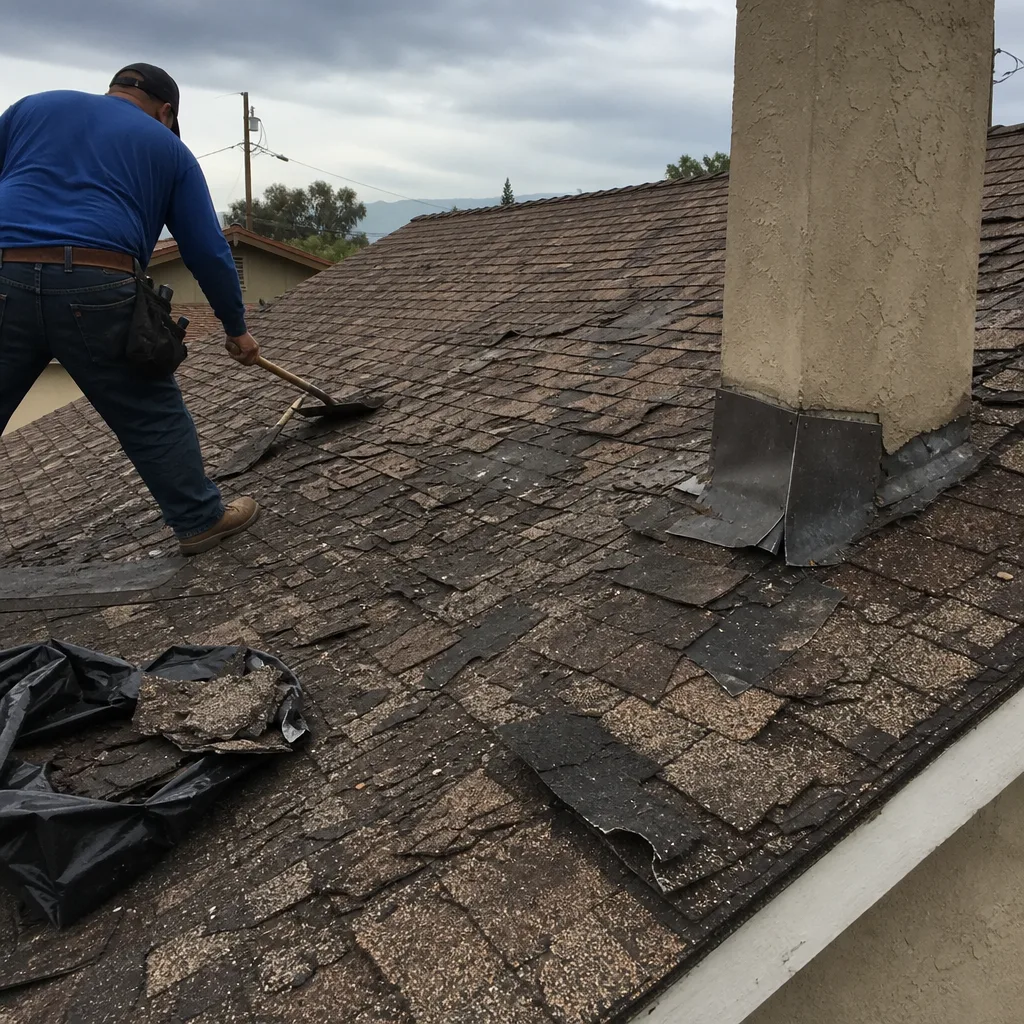 Before
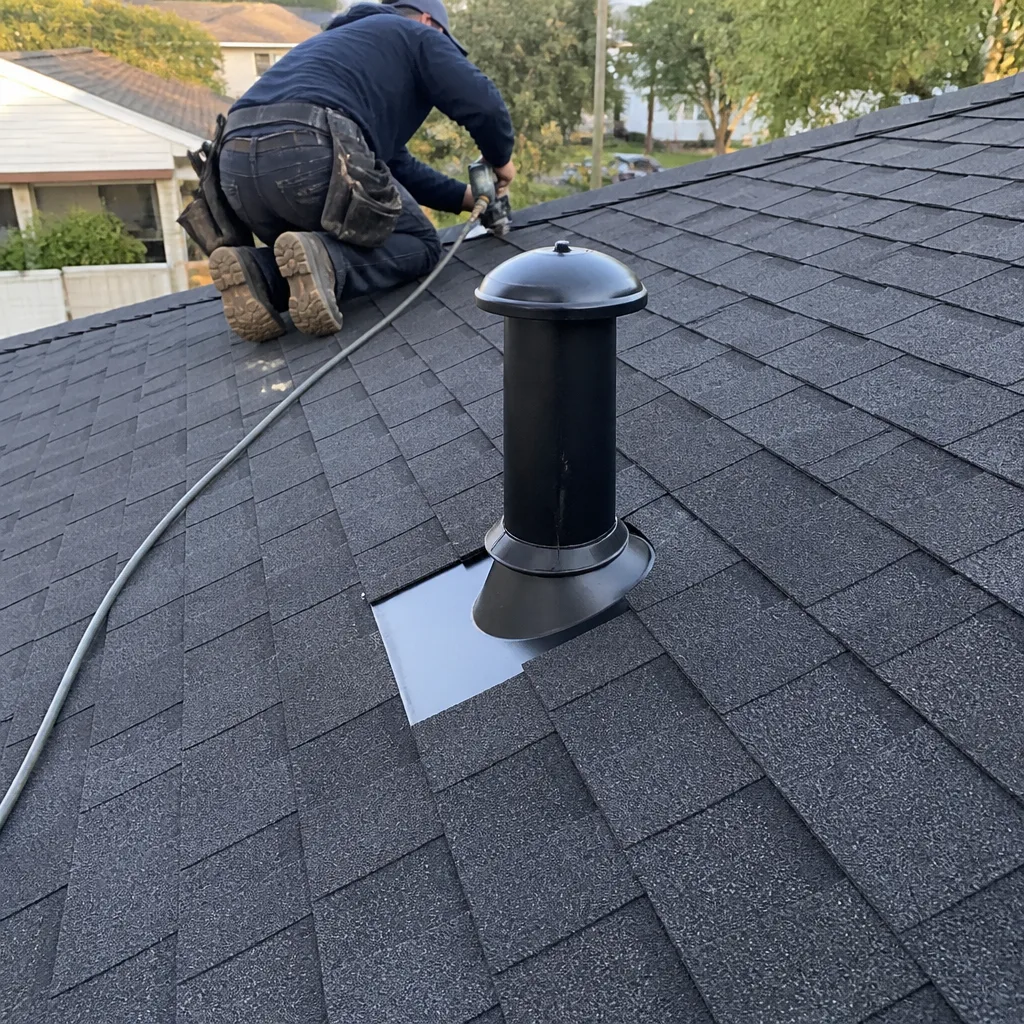 After
After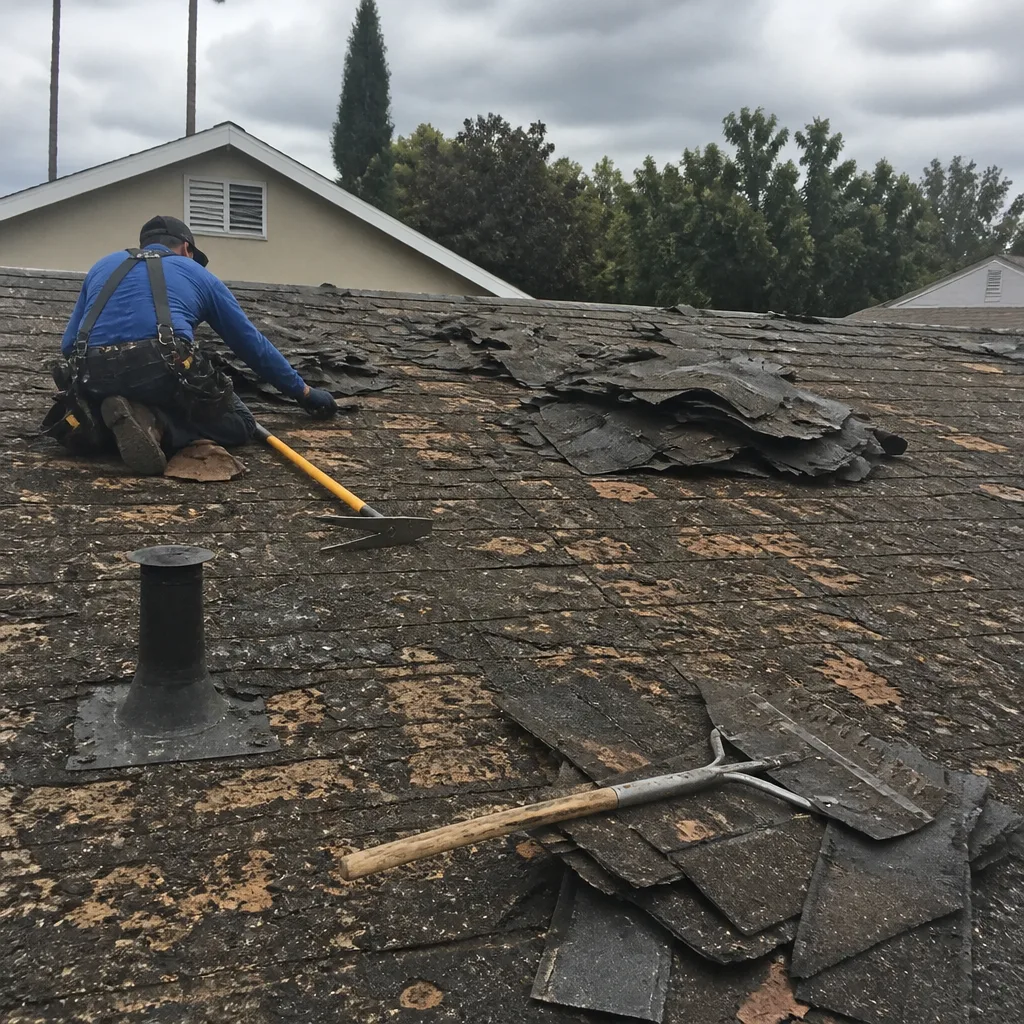 Before
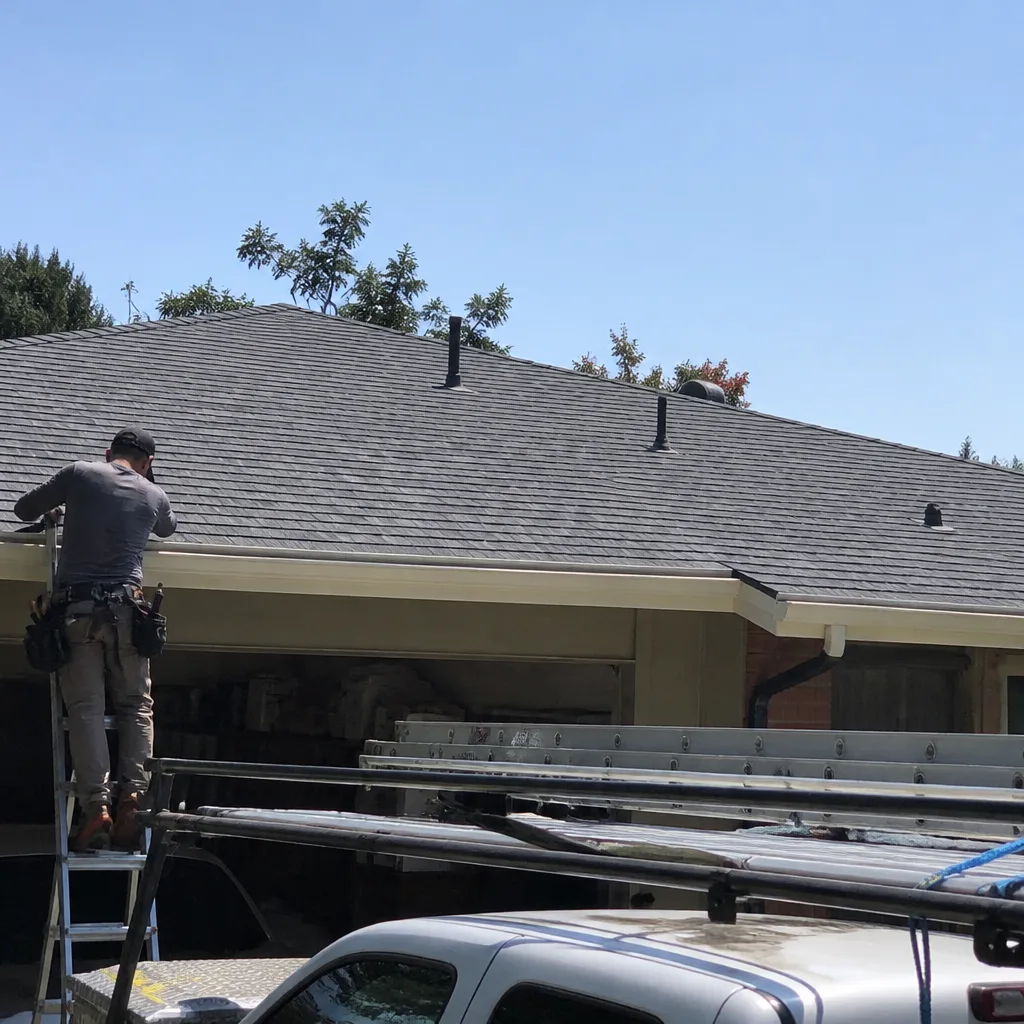 After
After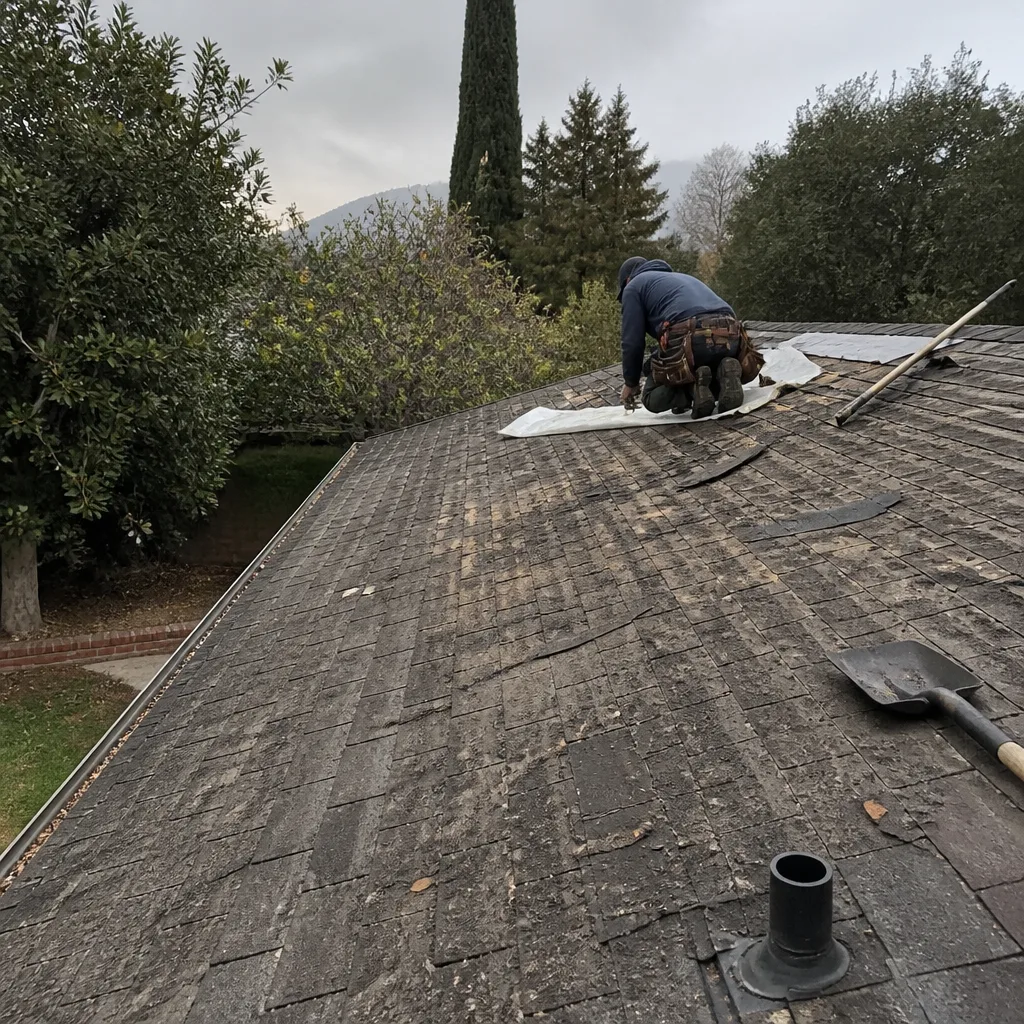 Before
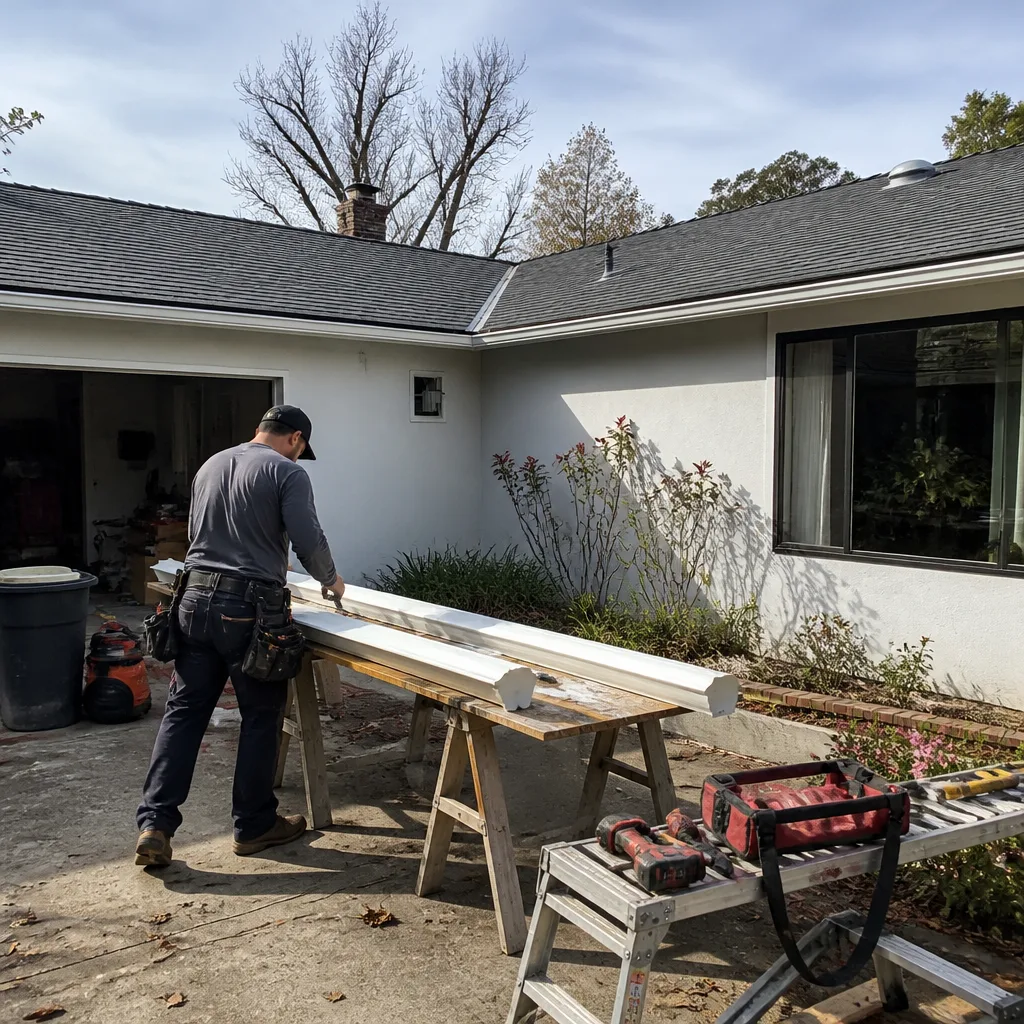 After
After