
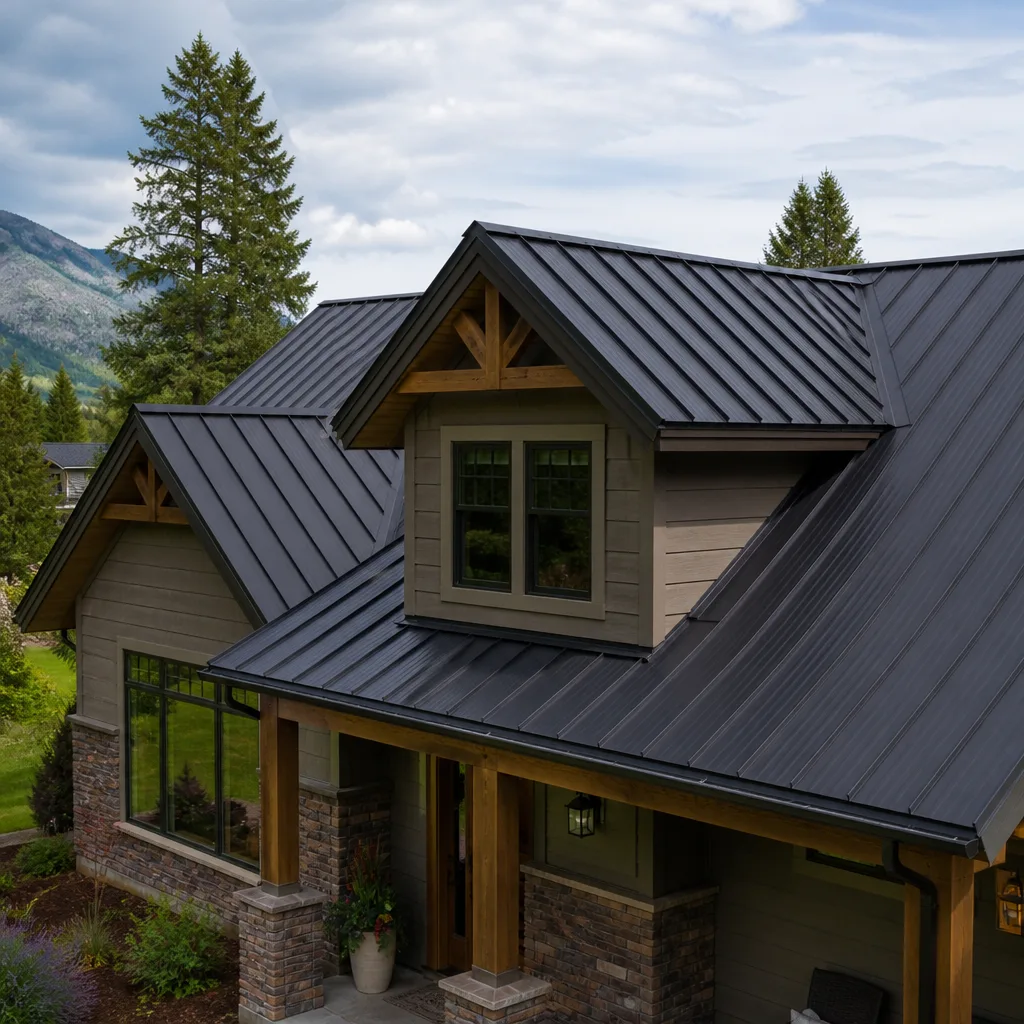
 Metal roofing
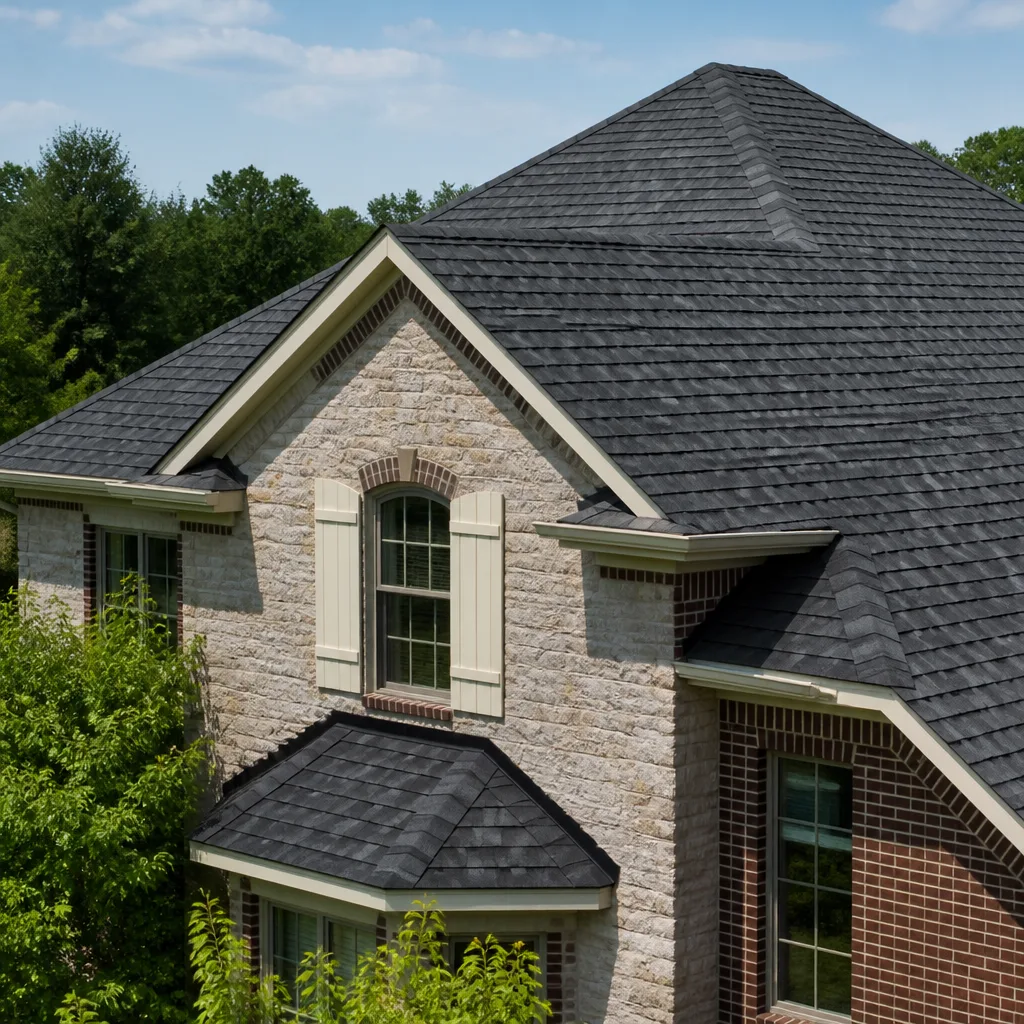 Architectural shingles
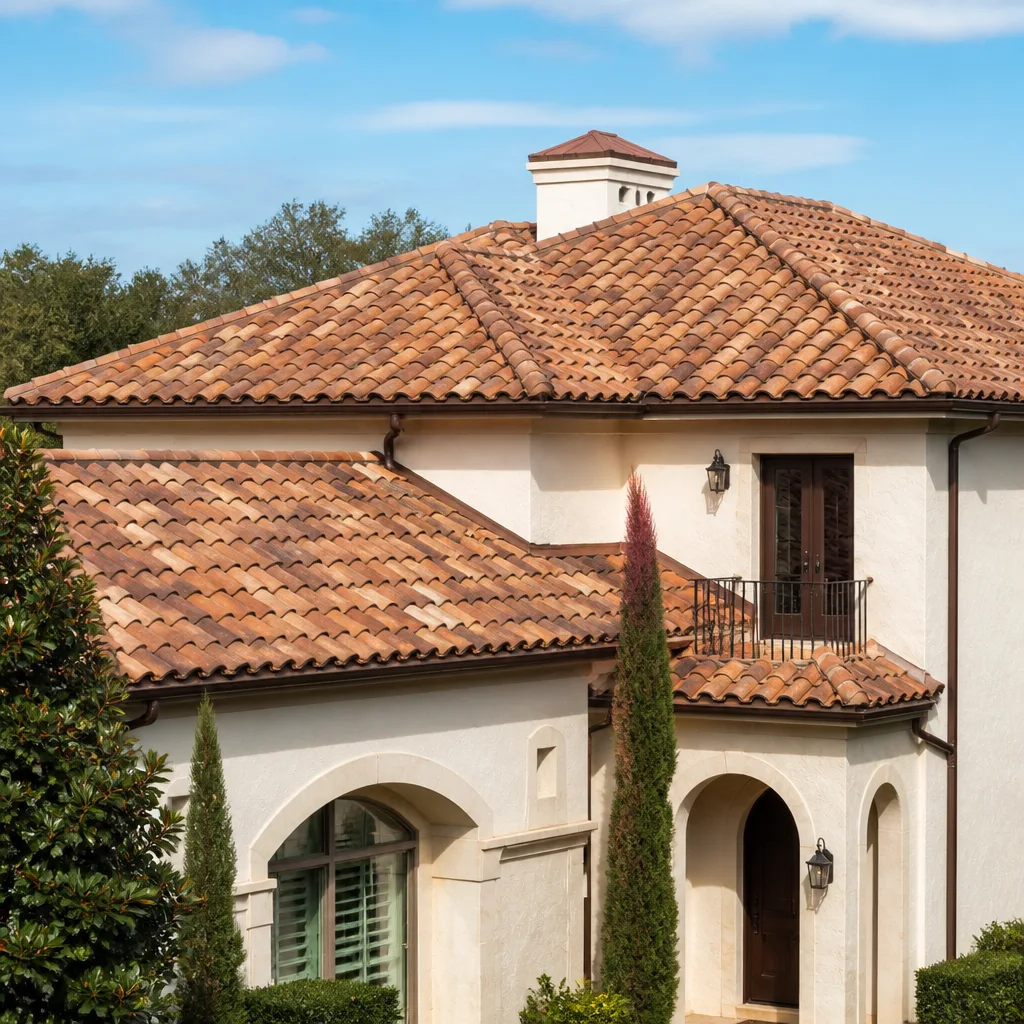 Tile roofing
 GAF
GAF Owens Corning
 Flat & low-slope
Free roof inspection with deck photos before we talk money - GAF and Owens Corning certified installation
Atlas Ridge Vent Installation: The Pasadena Owner’s Guide
Atlas ridge vent installation in Pasadena typically runs $450 to $900 installed, and we stock Atlas-compatible ridge vent material on our trucks most weeks, so the job is usually done in a single visit. Most homeowners discover the problem the same way: a hot upstairs hallway in August, a musty smell near the ceiling, or visible cracking along the vent line during gutter cleaning. If your Atlas ridge vent is brittle, pulling away from the nails, or leaking during winter rains, this page tells you exactly what’s involved in replacing it and what you’ll pay before anyone climbs a ladder.
Key Takeaways
- Installed replacement cost in Pasadena lands between $450 and $900 for most single-story homes.
- We carry Atlas-compatible ridge vent and universal vent material on the truck for same-visit installation.
- You’ll have the price in writing before we touch a single shingle.
- Every job includes shoe covers, drop cloths, full debris cleanup, and a photo of the finished work before we leave.
Which Atlas Models This Applies To
Our crew installs and replaces ridge vent across the Atlas shingle lines we see most often on Pasadena roofs: Pinnacle, StormMaster, GlassMaster, and the newer Castlebrook series. The vent itself is a universal-profile piece that sits over the roof peak and gets covered by shingle caps, but the compatibility gotcha is this: the vent’s height and nail flange need to match the profile of your existing cap shingles. A vent that sits too proud under a thin cap shingle will telegraph through and look wavy, and a vent that sits too low traps heat instead of exhausting it. On steep roof pitches common in the Pasadena hills, we step up to a vent with a wider top channel to keep airflow moving when the cap shingles lay flatter.
When it comes to OEM Atlas vent versus a quality aftermarket equivalent, we’re honest with you about the tradeoff. Atlas-branded vent is engineered to pair with Atlas cap shingles and carries the same manufacturer warranty language when installed as part of a full Atlas system. A quality aftermarket vent from a supplier like Air Vent or Lomanco performs comparably in our experience, and sometimes ships faster if Atlas stock is backordered. If your roof is under an active Atlas warranty, we default to OEM to keep your paperwork clean. If it’s past warranty, we’ll show you both options and the price difference before you decide.
Styles & brands we work with
Signs Your Atlas Ridge Vent Installation Is Failing
- Cracking or flaking along the exposed vent lip. UV exposure in Pasadena’s 280-plus sunny days a year is brutal on plastic vent material. After 12 to 15 years, the exposed edges start to craze and chip, which lets driving rain work its way under the cap shingles.
- Water staining at the ridge line inside the attic. This usually means the vent’s nail flange has pulled loose from the decking, or the end cap has worked free at the gable. Wind-driven rain then follows the exposed fastener holes straight down into the insulation.
- Persistent heat in the upper floor during summer. Ridge vent is a passive exhaust system. If the vent’s internal baffles have collapsed or the mesh has clogged with dust and debris, hot air stops flowing out. Rooms under the vaulted ceiling get noticeably warmer even with the AC running.
- You can see daylight through gaps where the vent meets the roof peak. Separation at the adhesive line or nail line is a structural fail. The vent should sit tight against the decking along its full length. Visible gaps mean water, embers, and pests have a path in.
- Birds or rodents are getting into the attic near the peak. Loose end caps and cracked vent material create an opening. We’ve pulled squirrel nests out of ridge vents in Northwest Pasadena more than once, and the fix always starts with the vent itself.
See the difference
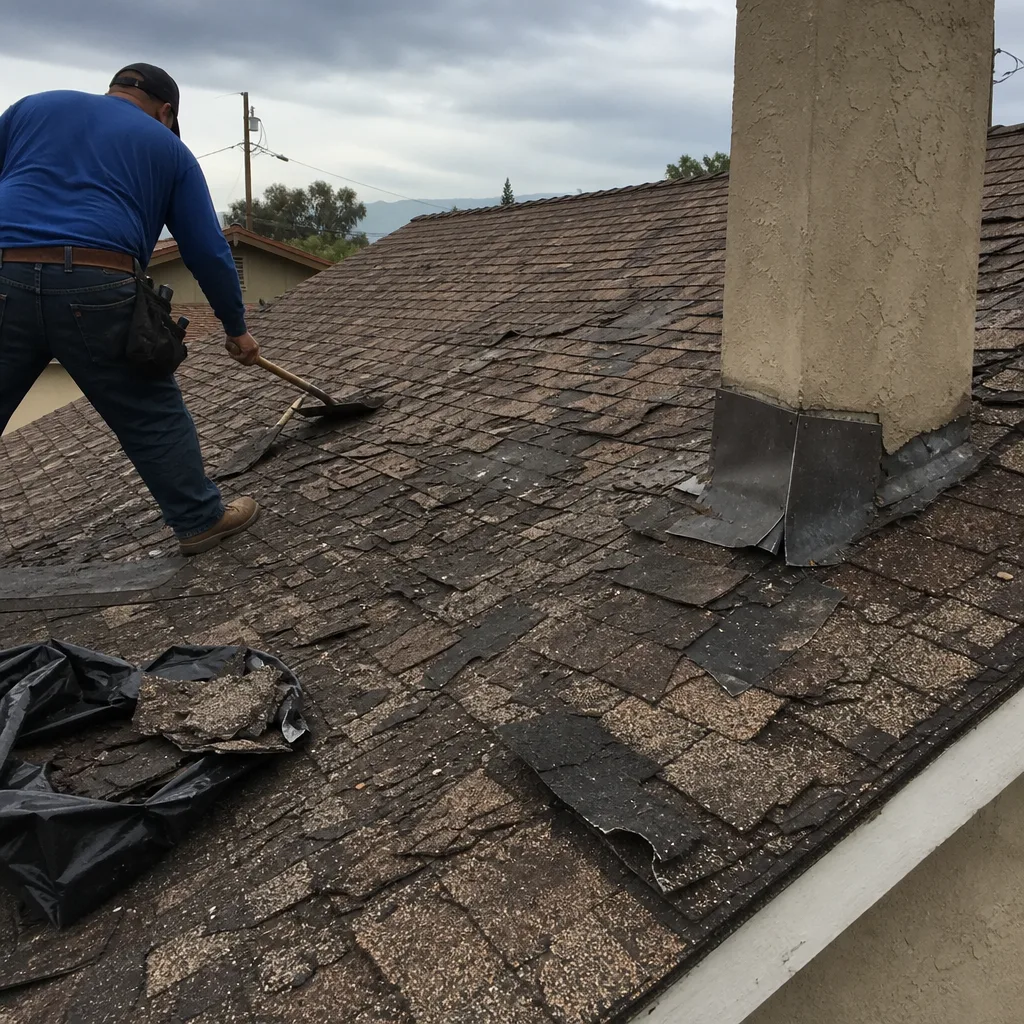 Before
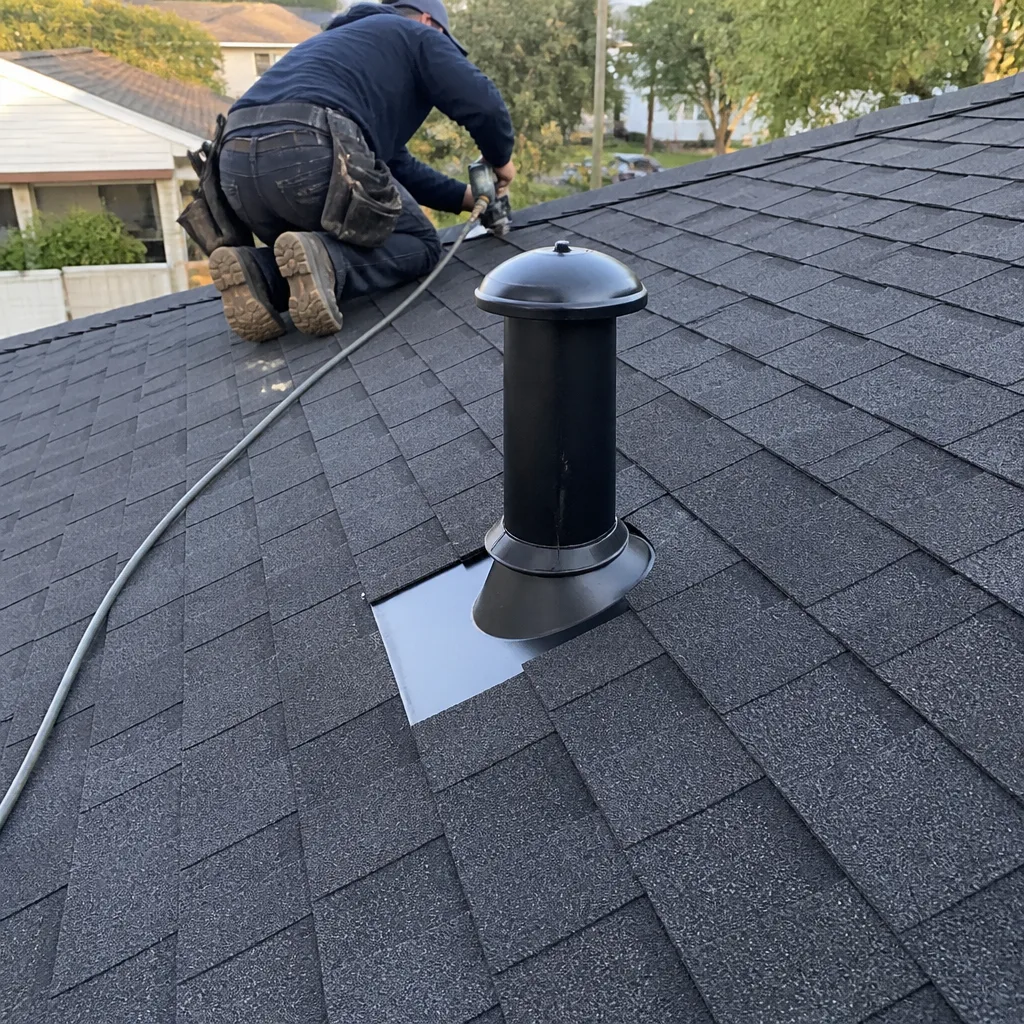 After
After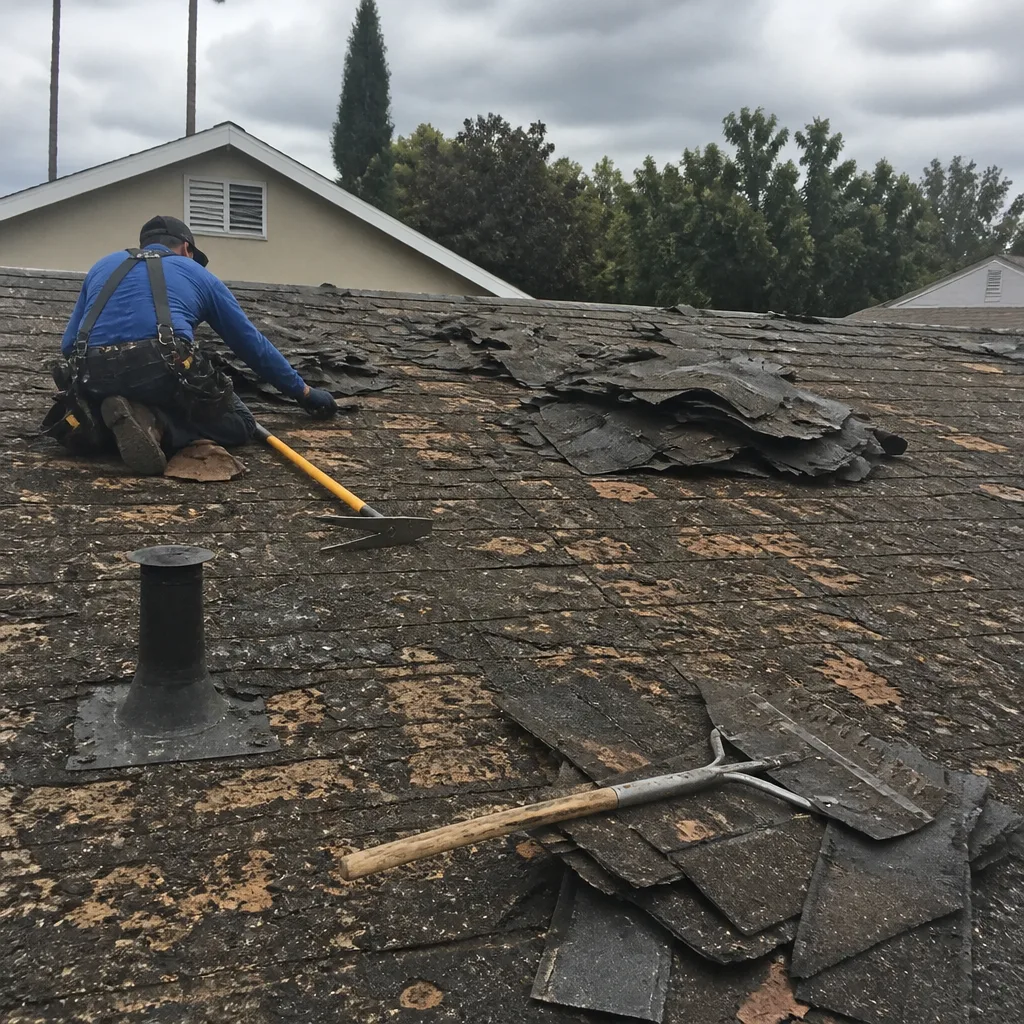 Before
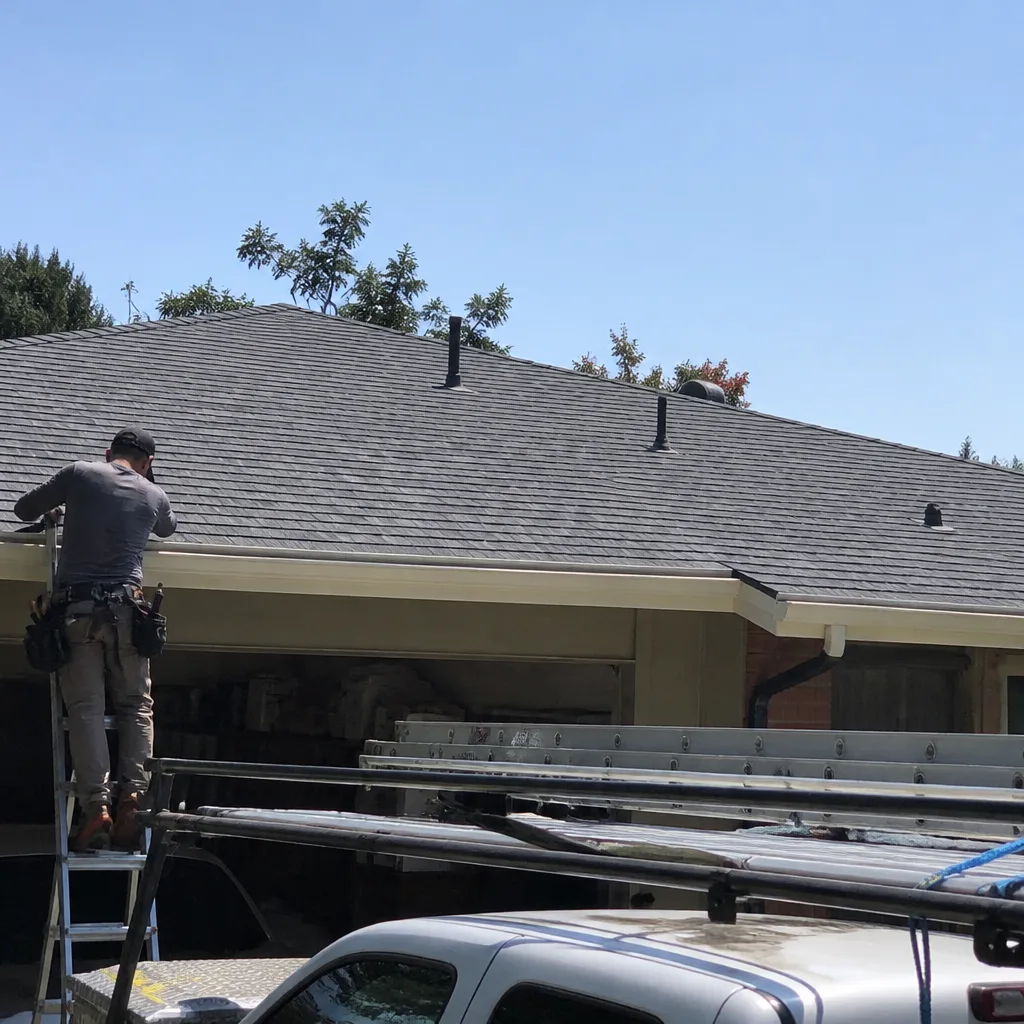 After
After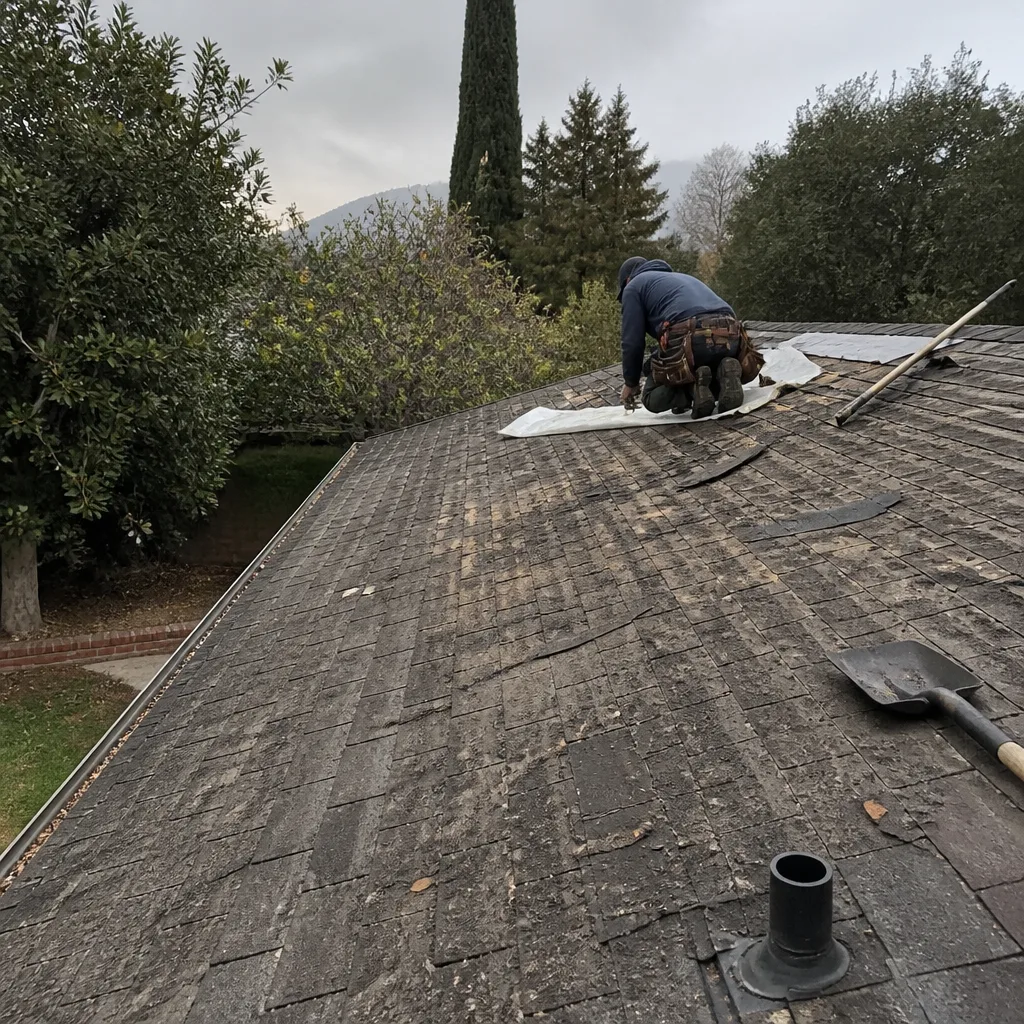 Before
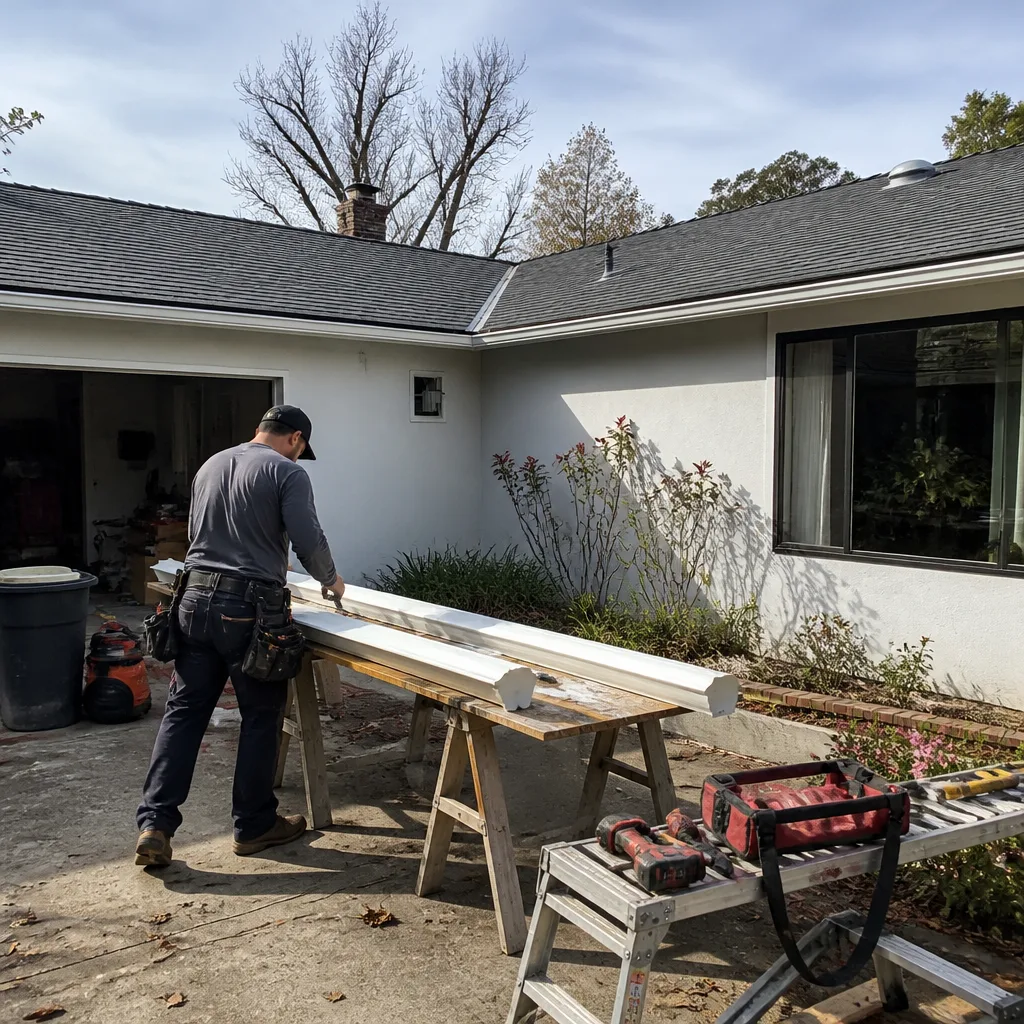 After
AfterReplacement Cost & What’s Included
For most Pasadena homes, a full ridge vent replacement runs between $450 and $900 installed. The range depends on three things: linear feet of ridge line, roof pitch and access, and whether your cap shingles can be reused or need replacement. We break this out for you in a written line-item estimate before any work starts, so you’ll see parts, labor, and disposal separated (not a handshake number).
| Job Component | Typical Range (Pasadena) |
|---|---|
| Ridge vent material (Atlas-compatible, 4-foot sections) | $12 – $20 per section |
| Cap shingles (if reuse isn’t possible) | $60 – $140 per bundle |
| Labor and removal of old vent | $250 – $500 depending on ridge length and access |
| Fasteners, sealant, end caps | $25 – $50 |
The workmanship is covered by our 365-Day Done Right Promise: if the vent isn’t seated right or leaks after we leave, we come back and make it right. No deductibles, no argument. Erik Lindgren and our crew have replaced enough vent runs across Pasadena to know exactly where water tries to hide on a hip or ridge transition, and we check those spots twice before we pack up.
DIY or Call Us?
Replacing ridge vent is physically demanding rather than highly technical, but it involves working at the roof peak, which is exactly where a slip hurts. We don’t recommend it for a homeowner without a full safety harness, proper roof brackets, and a second person on the ground. That said, there are things you can safely check from a ladder or from inside the attic: look for cracked vent lips, check end caps at the gable, and inspect the attic side for light gaps along the ridge line. That tells you whether you’re dealing with a partial fix or a full replacement.
If you’re comfortable doing the inspection but not the repair, that’s a fine split. Do the looking, then call us at (626) 657-5397 and we’ll work from your notes during the estimate. And if the dog is sensitive to ladder noise, tell us. We’ll coordinate the door schedule so nobody’s stressed.
FAQs
In the Pasadena climate, you can expect 12 to 18 years from a ridge vent before UV damage and thermal cycling take their toll. Homes in the flatter, hotter parts of the city (think southeast Pasadena near San Pasqual) tend to see the lower end of that range. Homes in the tree-shaded neighborhoods up near the Arroyo can push 20 years. We’ll inspect your vent during any roof service and tell you honestly where it sits on that curve. Call (626) 657-5397 for a free inspection.
A small crack in the exposed lip or a loose end cap can sometimes be repaired with sealant and new fasteners, and we’ll do that when it’s genuinely the right call. But if the vent material is brittle across more than a couple of feet, or the nail flange has pulled away in multiple spots, repair becomes a recurring expense rather than a fix. We’ll show you photos of what we found and explain which category you’re in before quoting anything.
For a standard single-story Pasadena home with a straight ridge line, replacing the vent takes about 3 to 5 hours from setup to cleanup. Hips and multiple ridge sections add time. We protect the interior from the start, and the last thing we do is walk the property with you (or send a photo if you’re not home) showing the clean-up is done.
We stock Atlas-compatible ridge vent sections on our trucks, along with universal-profile vent for GAF, Owens Corning, and CertainTeed roof systems. If your roof needs Atlas-specific cap shingles in a color we don’t carry, that’s typically a 2 to 5 day supplier order in the Pasadena area. We’ll tell you upfront which parts are on hand and which need ordering before you commit to a date.
Written by Erik Lindgren, Owner, Birchbark Roofing Pasadena, serving Pasadena and nearby areas.