
Last updated October 17, 2026
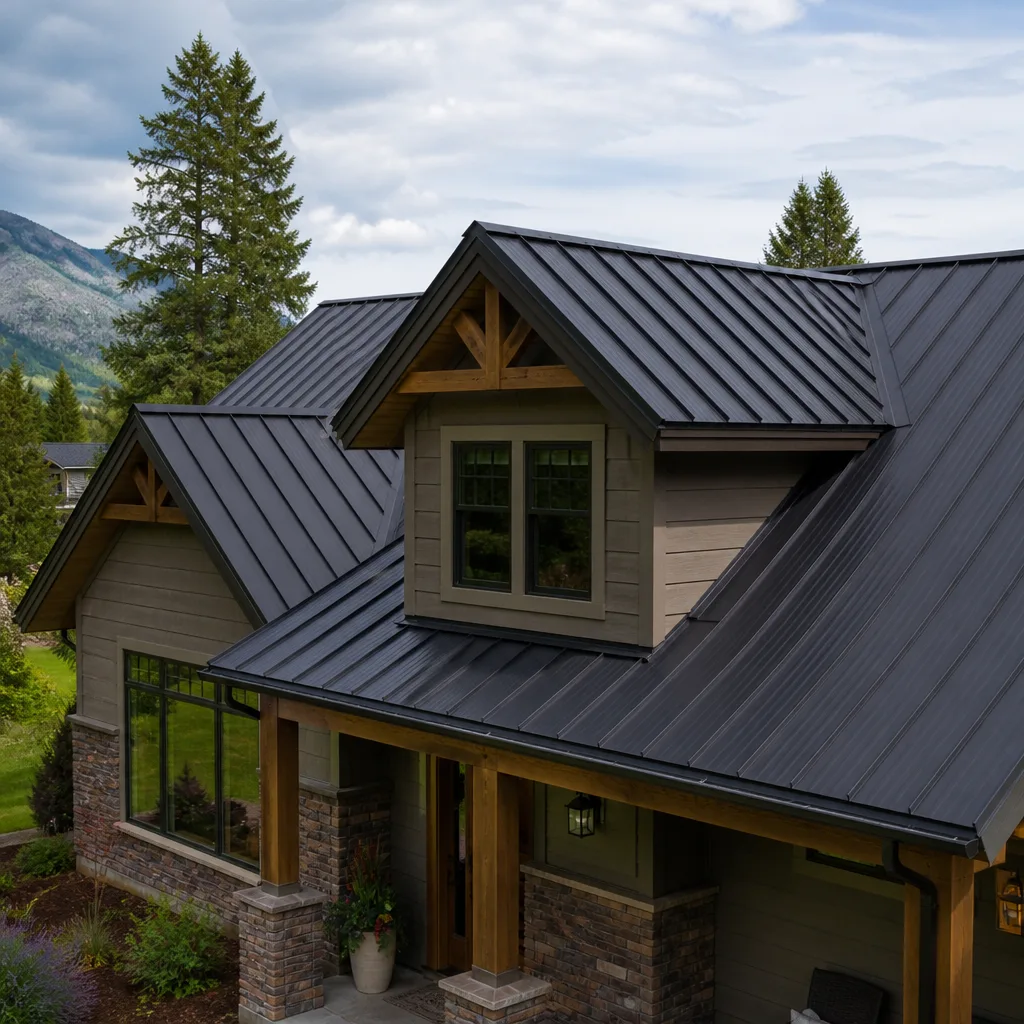 Metal roofing
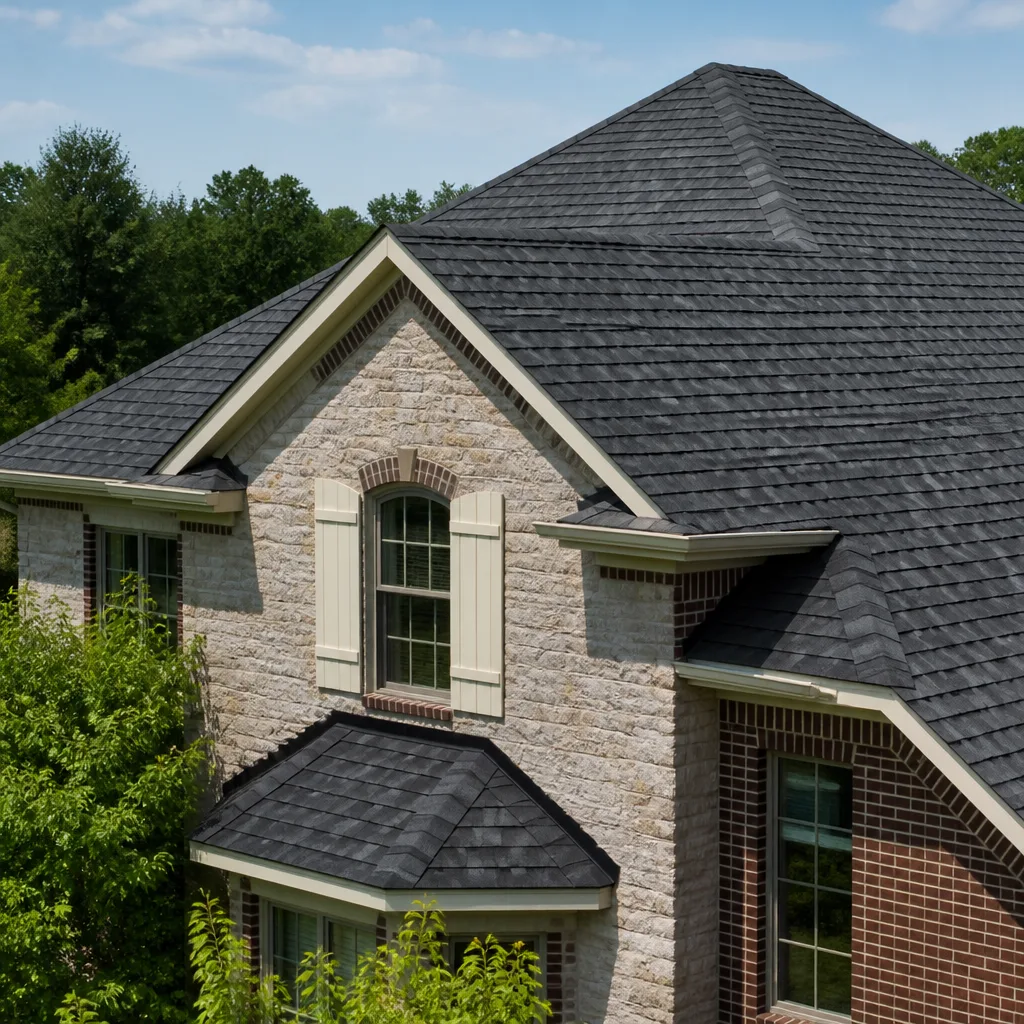 Architectural shingles
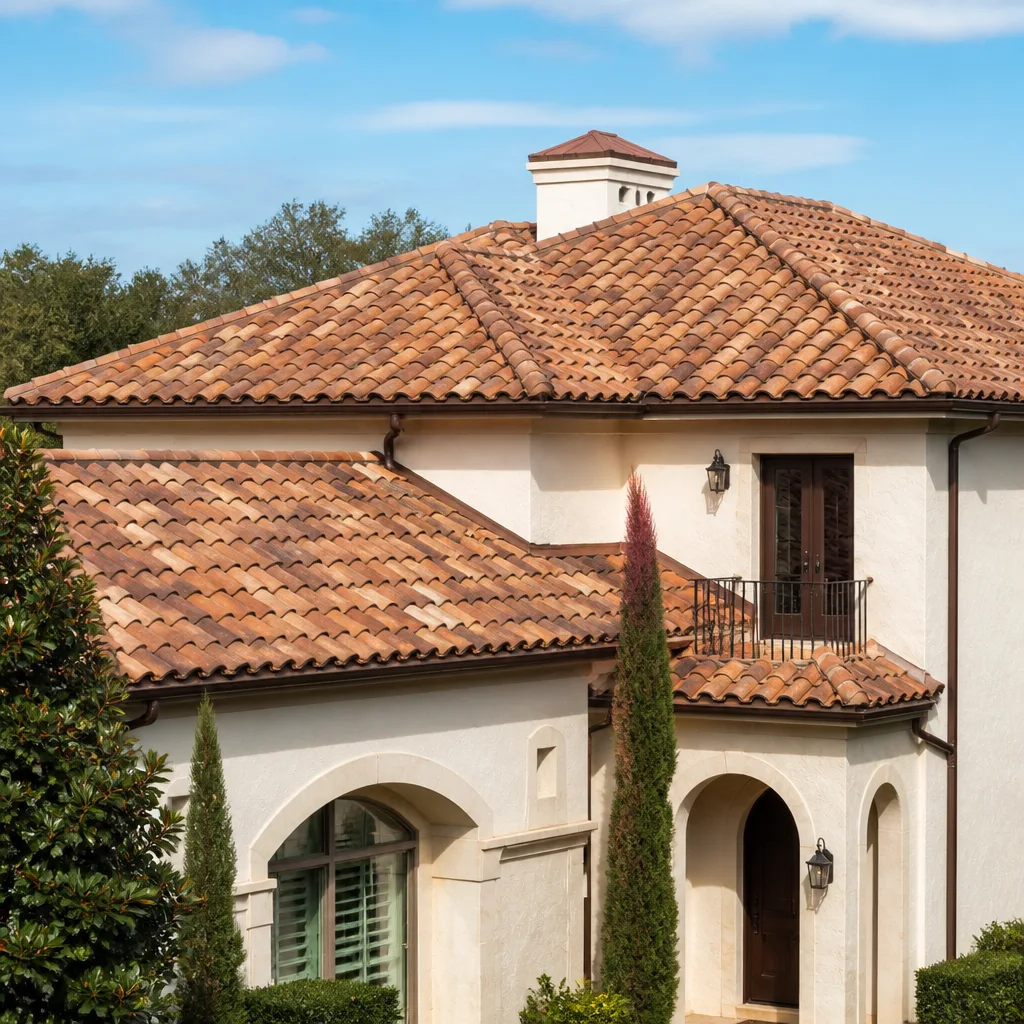 Tile roofing
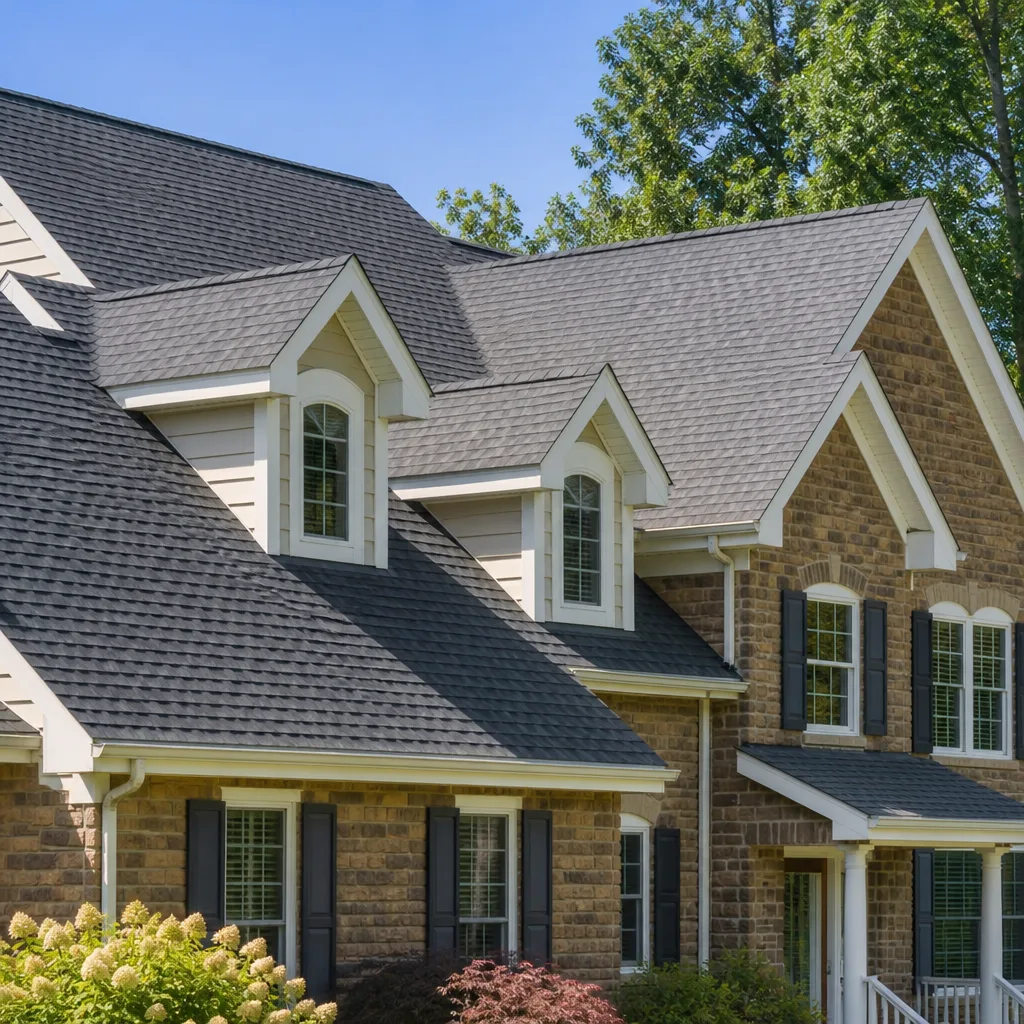 GAF
GAF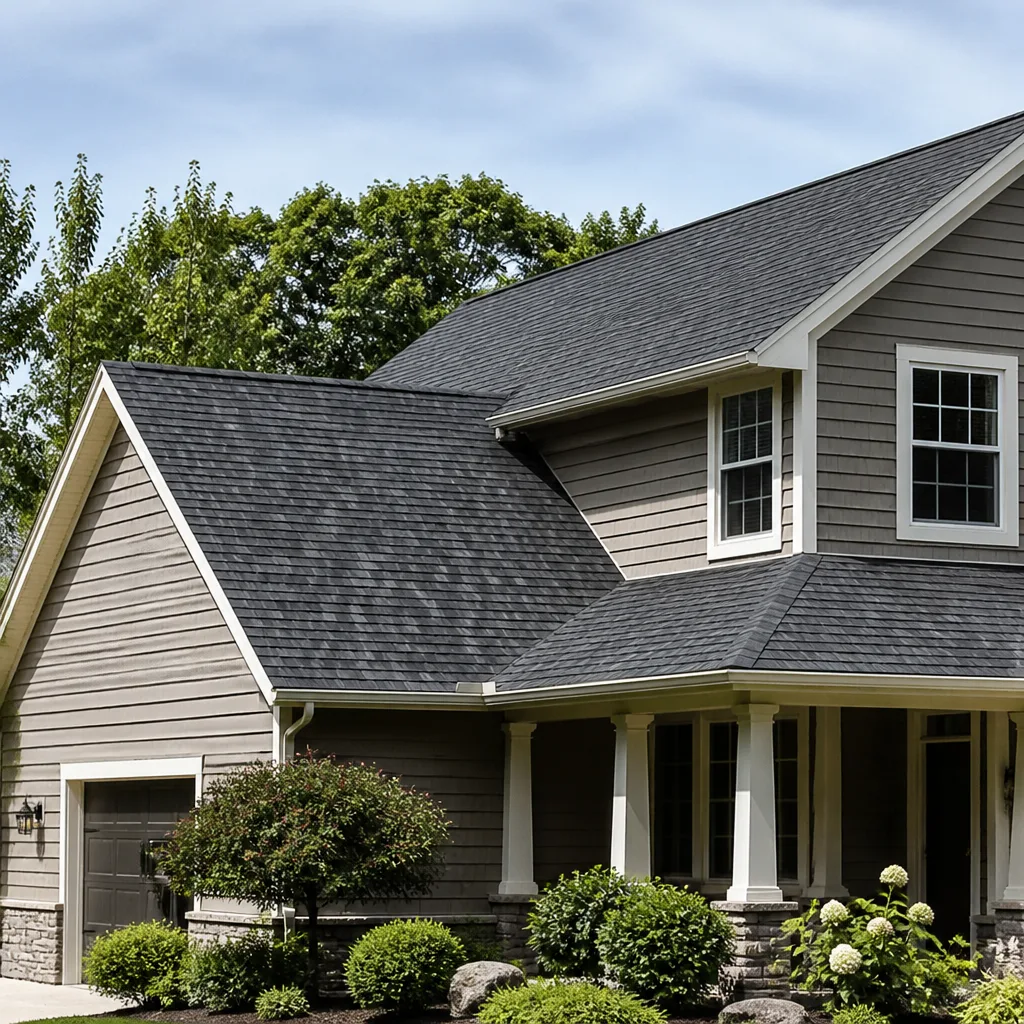 Owens Corning
 Flat & low-slope
Free roof inspection with deck photos before we talk money - GAF and Owens Corning certified installation
The Complete Guide to Roofing in Pasadena
More than 40% of Pasadena’s housing stock was built before 1960. That single fact shapes nearly every roofing decision a homeowner here will make, because the average reroof in this city isn’t a straightforward material swap. It’s a compatibility puzzle between modern products and century-old framing, negotiated under the eye of a design review board that cares deeply about what your roof looks like from the street. This guide walks you through the specific materials, codes, costs, and processes that govern roofing in Pasadena, from the Altadena foothills to the Craftsman bungalows south of the 210. For more guides & resources, explore our blog.
Styles & brands we work with
Quick Answer
Roofing in Pasadena requires navigating historic-district rules, California Title 24 energy requirements, and the specific wind and heat exposure that comes with the San Gabriel Valley climate. Most asphalt shingle reroofs in Pasadena run between $14,000 and $26,000 depending on tear-off complexity, while concrete tile systems typically start around $22,000 and up. A written scope of work that names every line item, from sheathing replacement to permit fees, is the single most important document you’ll receive before any work begins.
Table of Contents
- How Pasadena’s Climate Shapes Roofing Choices
- Historic Districts and Design Review: What Gets Approved
- Materials That Work in Pasadena: From Asphalt to Tile
- Permits, Title 24, and What Triggers a Full Reroof Permit
- Aging Sheathing: The Hidden Cost in Pre-1960 Homes
- Santa Ana Winds and Roof-to-Wall Connections
- What a Written Scope of Work Should Include
- What Roofing Costs in Pasadena: Real Numbers
- Common Mistakes to Avoid
- When to Call a Professional
- Frequently Asked Questions
- The Bottom Line
How Pasadena’s Climate Shapes Roofing Choices
Pasadena sits in USDA Hardiness Zone 10a and California Climate Zone 9, which matters more than most homeowners realize. We get roughly 21 inches of rain in a normal year, but nearly all of it arrives between December and March. That means roofs here spend nine months baking under intense UV exposure and three months handling concentrated water loads. The thermal cycling, hot days followed by cool nights, is what actually ages a roof faster than rain ever will.
Summer temperatures routinely push past 95°F, and roof surfaces can hit 140°F or higher. This is why cool-roof materials and reflective underlayments are not a niche preference in Pasadena; they’re a practical response to July and August. California’s Title 24 energy code already mandates minimum solar reflectance and thermal emittance values for low-slope roofs in Climate Zone 9, and while steep-slope roofs have more flexibility, choosing a lighter-colored shingle or a reflective tile can drop attic temperatures by 20 to 30 degrees. That translates directly into cooling bills during the months when Pasadena Water and Power rates peak.
Then there’s the wind. The Santa Ana season, typically September through November, brings sustained winds of 25 to 40 mph with gusts that occasionally exceed 70 mph in the foothill neighborhoods near Eaton Canyon and Altadena Drive. A roof that holds fine during a January rainstorm can lose ridge caps or lift shingle tabs during a dry October wind event. Any roofing plan in Pasadena should account for both, not just one.
Historic Districts and Design Review: What Gets Approved
Pasadena has some of the strictest historic preservation rules in California. The city lists over 20 designated historic districts, including Bungalow Heaven, Madison Heights, Garfield Heights, and the Old Pasadena core, plus landmark districts like the ones flanking Orange Grove Boulevard. If your home falls within any of these overlays, you will likely need a Certificate of Appropriateness before a reroof can begin, not just a standard building permit.
What does the review board actually look for? In our experience working on homes across these districts, the review focuses on three things: material type, color, and profile. Craftsman homes in Bungalow Heaven are typically expected to maintain wood shake or a composition shingle that mimics the original cedar look, usually in earth tones. Spanish Revival and Mediterranean homes, common along South Orange Grove and in the Linda Vista area, generally require clay or concrete tile in the original barrel profile and color family. The board is not trying to block your reroof. They’re trying to prevent a neighborhood of 1923 bungalows from getting a patchwork of modern architectural shingles that erases the streetscape character.
The practical consequence is timeline. A reroof in a historic district will add two to six weeks to the permit phase, depending on whether your project lands on a Design Commission agenda or qualifies for staff-level review. Smaller repairs that match existing materials usually sail through. Full replacements with a material change often need a public hearing. If you’re planning a reroof in Pasadena, factor this in before the rainy season starts, not after.
Materials That Work in Pasadena: From Asphalt to Tile
Pasadena’s roofing palette breaks into five main options, each with distinct costs, longevity, and approval profiles.
- Architectural asphalt shingles: The most common choice for homes outside historic districts. Premium lines from GAF, CertainTeed, Owens Corning, and Atlas offer 30- to 50-year warranties and come in reflective color options that satisfy Title 24 in most applications. Cost is typically $6 to $9 per square foot installed.
- Concrete tile: The standard replacement for Spanish Revival and Mediterranean homes, and increasingly popular in newer foothill construction. Boral and other manufacturers produce flat and barrel profiles that read as authentic clay at a lower price point. Expect $12 to $18 per square foot installed. Tile holds up well to Santa Ana winds when properly fastened, but the underlayment beneath it needs replacement every 30 to 40 years even if the tile itself lasts 75.
- Clay tile: The premium version of the tile look. More expensive than concrete, typically $18 to $25 per square foot, and heavier, which matters on pre-1960 homes where the original framing may not have been engineered for the added load. A structural check is non-negotiable before switching from shingle to clay tile on an older Pasadena home.
- Wood shake and shingle: Still approved in certain Craftsman-heavy districts, but increasingly expensive due to fire code requirements. Class A fire-rated treated shake is mandatory in most of Pasadena’s foothill wildfire hazard zones. Many homeowners now choose a composite shake product from companies like IKO or Tamko that replicates the cedar look without the fire rating headaches.
- Standing seam metal: Rare in Pasadena’s historic districts but gaining acceptance in mid-century modern neighborhoods like the San Rafael Hills and parts of Hastings Ranch. Metal reflects heat well, handles wind loads efficiently, and carries a 50-year material lifespan. Installation costs run $14 to $22 per square foot, and the Design Commission has approved specific profiles for certain modern-era districts.
The right choice depends on your home’s era, your district’s rules, and your long-term plans. A 1925 Craftsman in Bungalow Heaven and a 1972 ranch in northeast Pasadena call for different answers, and a good roofing contractor will walk you through why before you ever see a price. For help choosing, see our DIY vs Professional Roofing: The Pasadena Homeowner’s Decision Guide.
Permits, Title 24, and What Triggers a Full Reroof Permit
Most reroofs in Pasadena require a building permit through the city’s Permit Center. The threshold is straightforward: if you’re replacing more than 25% of the roof surface within a 12-month period, you need a full reroof permit. That permit triggers a Title 24 energy compliance check, which in Climate Zone 9 means your new roof system needs to meet minimum cool-roof standards or provide documentation of an approved alternative.
A repair permit, by contrast, covers smaller scopes: isolated leak patches, replacing a few damaged tiles or shingles, sealing a pipe boot. Repair permits are cheaper and faster, typically issued over the counter. The catch is that Pasadena inspectors will flag a repair permit that’s clearly being used to dodge a full reroof requirement. If 40% of your roof is failing and you’re asking for a “repair” permit, expect the inspector to ask questions.
Historic districts add the Certificate of Appropriateness layer we covered earlier, and hillside homes in the Very High Fire Hazard Severity Zone, which includes much of the Altadena-adjacent foothills and the neighborhoods above New York Drive, face additional ignition-resistant construction requirements. That typically means Class A rated roof coverings and, in many cases, bird-stop and ember-resistant venting at the eaves. Your roofing contractor should handle the permit paperwork end to end, but you should know which category your project falls into before work begins. The Roofing Company in Pasadena guide on our site covers this process in more detail.
Aging Sheathing: The Hidden Cost in Pre-1960 Homes
Here’s where Pasadena’s housing age really shows up in your estimate. Many homes built between 1900 and 1950 used 1×6 or 1×8 board sheathing, not the 4×8 plywood or OSB panels that became standard after 1960. Board sheathing is not automatically a problem. In many Pasadena homes we’ve inspected, a century-old Douglas fir roof deck in a well-ventilated attic is still structurally sound. But when it isn’t, the cost to replace it adds up fast.
Spot repairs to board sheathing typically run $4 to $7 per square foot of replaced area. Full re-sheathing with modern plywood or OSB, which becomes necessary when more than about 30% of the deck is compromised, adds $6,000 to $12,000 to a typical Pasadena reroof. The question every homeowner should ask before signing a contract is this: does the written quote include a per-sheet price for sheathing replacement, and does it state clearly when that replacement becomes mandatory?
Here’s the permit nuance. Replacing damaged sheathing as part of a reroof is usually folded into the reroof permit. But if your sheathing is so far gone that structural members like rafters need repair, that can trigger a separate structural review. For homes in the Bungalow Heaven or Garfield Heights districts, a structural issue that requires visible exterior changes may also pull the Design Commission back into the loop. A detailed Roof Replacement in Pasadena estimate will identify these risks before you’re committed.
Santa Ana Winds and Roof-to-Wall Connections
Most local roofing estimates are built around water protection. That makes sense in a city with 21 inches of annual rainfall. But Pasadena’s most destructive roof failures in recent years have happened during Santa Ana wind events in October and November, when the rain hasn’t even started. Ridge caps lifted off their mortar beds. Shingle tabs peeled back at the eaves. On older homes, entire sections of roof deck separated from the top plate because the original toe-nailing, common in 1920s construction, never anticipated a 70-mph gust.
Roof-to-wall connections are the load point that generic guides skip. Modern building code requires engineered connectors like hurricane ties at every rafter or truss heel, but most pre-1960 Pasadena homes predate that requirement. When you reroof an older home, the building inspector will not automatically require you to retrofit these connections unless you’re replacing the roof structure itself. But a wise contractor will flag the recommendation, because the marginal cost is low, typically $400 to $1,200 for a full perimeter retrofit on a 1,500-square-foot home, and the protection during the next big Santa Ana is real.
There’s also the question of tile attachment. In wind-exposed foothill neighborhoods above the Rose Bowl and in the Linda Vista hills, we recommend mechanical fastening of every tile field, not just perimeter rows, which is the minimum the code requires. The additional fasteners add a few hundred dollars to a tile reroof and meaningfully reduce the chance of losing tiles during a wind event. For shingle roofs, a properly installed starter strip and six-nail fastening on every shingle, not the standard four, makes a measurable difference in high-wind zones.
What a Written Scope of Work Should Include
Verbal quotes are where roofing projects go sideways. The contract you sign should not just name a price. It should name every action the crew will take, every material they’ll install, and every condition under which the price can change. Here’s what a complete Pasadena reroof scope includes, line by line, and what disappears from verbal quotes first. Use our Roofing Company Maintenance Checklist for Pasadena Homeowners to track every detail.
- Tear-off and disposal: Includes removal of existing roof layers (how many?), haul-away, and dump fees. Pasadena requires a waste hauler with proper disposal credentials, and the landfill fees for tile and shingle are different. If this line is missing, the price is incomplete.
- Sheathing inspection and replacement: A stated per-sheet or per-square-foot price for any decking that gets replaced, with a note that you’ll be shown photos of any damage before replacement is authorized. This is the line item most often omitted from verbal quotes and most often the source of mid-project price increases.
- Underlayment: The specific product name and number of layers. In Pasadena’s wildfire zones, a fiberglass-reinforced underlayment or an approved synthetic is often required. One layer or two? The scope should say.
- Flashing: New flashing at every penetration, valley, sidewall, and chimney. “Reuse existing flashing” is a red flag on any Pasadena reroof. Include the specific material, galvanized steel, aluminum, or copper.
- Ventilation: Ridge vent, box vents, or powered vents. The scope should specify intake area and exhaust area, because a roof that can’t breathe rots faster, and Pasadena’s summer heat makes an unvented attic a genuine problem.
- Permits and inspections: Which permits will be pulled, who pays the fees, and who schedules the inspections. The scope should state that the project will be finaled by the City of Pasadena before the job is considered complete.
- Clean-up: This is where Birchbark Roofing’s written scope differs from most. Our scopes state that shoe covers and drop cloths are used on every visit, that all debris is collected and photographed, and that you’ll receive a photo of the completed clean-up before the crew leaves. If a contract doesn’t name this step, assume it’s not happening.
- Warranty terms: The manufacturer’s material warranty, the contractor’s workmanship warranty, and the duration of each, in writing. Our work is covered by the 365-Day Done Right Promise: if the work isn’t right, we make it right. That promise is stamped on every job, not implied.
A written price in dollars before any work starts is the baseline of a healthy roofing contract in Pasadena. If a contractor won’t put it in writing, the conversation should end there.
What Roofing Costs in Pasadena: Real Numbers
Roofing costs in Pasadena run higher than the national average for two reasons: labor rates in the Los Angeles metro are elevated, and the city’s permit and inspection process adds administrative time that contractors factor into their bids. Here’s a realistic picture of what homeowners in this city can expect, based on the work we see and price regularly.
| Roof Type | Typical Cost Range (1,500 sq ft roof) | Longevity | Pasadena Notes |
|---|---|---|---|
| Architectural asphalt shingles | $14,000 – $22,000 | 25 – 35 years | Most common choice outside historic districts. Reflective colors help meet Title 24. |
| Concrete tile | $22,000 – $34,000 | 50 – 75 years (tile), 30 years (underlayment) | Standard for Spanish Revival homes. Requires structural check on pre-1960 framing. |
| Clay tile | $28,000 – $42,000 | 75+ years | Premium option. Heavier than concrete; structural review often required. |
| Composite shake (IKO, Tamko, etc.) | $16,000 – $24,000 | 30 – 50 years | Approved in many Craftsman districts as alternative to wood shake. Class A fire rated. |
| Standing seam metal | $22,000 – $34,000 | 50+ years | Strong in Santa Ana winds. Limited historic-district approvals, but gaining ground. |
| Spot repair (asphalt) | $400 – $1,200 | Varies | Most residential roof repairs in this scope run between $400 and $1,200. Exact number in writing before work starts. |
These ranges include tear-off, disposal, underlayment, flashing, and standard permits. They do not include extensive sheathing replacement, structural retrofits, or historic-district review fees, which can add $2,000 to $15,000 depending on scope. The takeaway is simple: you should see your exact number in writing before work starts, and a Roof Repair in Pasadena estimate should name every line item above.
Common Mistakes to Avoid
- Skipping the attic inspection before quoting. A roof replacement without an attic inspection is a bid, not a diagnosis. Sheathing condition, ventilation, and roof-to-wall connections are only visible from below, and every Pasadena home built before 1960 needs that look.
- Choosing materials by price per square foot alone. The cheapest shingle might fail Title 24 in Climate Zone 9, and a heavy tile on under-engineered 1920s framing can create structural problems that dwarf the initial savings.
- Ignoring the permit requirements on a “repair” that’s really a reroof. If more than 25% of your roof surface is being replaced in 12 months, it’s a reroof under Pasadena code. Contractors who suggest otherwise are putting your inspection approval at risk.
- Not confirming clean-up procedures in writing. The most common complaint we hear from Pasadena homeowners is debris left behind, nails in the lawn, insulation dust in the hallway. A written scope should name exact clean-up steps: shoe covers, drop cloths, debris hauling, and a final photo.
- Overlooking the Santa Ana wind factor. A roof that’s only optimized for rain is half a roof in this city. Ask about extra fastening in exposed foothill locations and confirm your contractor understands wind uplift on older framing.
- Accepting a quote that doesn’t include a per-sheet sheathing price. When the crew finds rot, and they will on a pre-1960 Pasadena home, a missing sheathing line item means a surprise change order. A written scope anticipates this.
- Rushing a reroof through a historic district without checking the review calendar. Design Commission meetings happen on a fixed schedule. If you file late, you can miss a cycle and wait another month before work can start. Plan for it.
When to Call a Professional
Some roofing tasks are genuinely dangerous and belong in the hands of a trained crew. High-tension work on steep roofs, especially the multi-story Craftsman and Victorian homes common in Pasadena’s historic districts, carries real fall risk. Working with tile on a two-story Spanish Revival home means balancing heavy materials on a ladder, and the consequences of a wrong move are severe. Electrical service drops near the roofline, common in older neighborhoods with overhead wiring, add another layer of risk. And any repair that involves the chimney flashing or skylights requires penetration work that, done wrong, becomes a slow leak inside your walls.
If you’re seeing water stains on ceilings, missing or lifted shingles after a wind event, or granule buildup in your gutters, get a professional assessment before the problem compounds. Birchbark Roofing Pasadena offers free estimates in Pasadena. Call (626) 657-5397 and a person will answer, any hour of the day or night.
We’re part of the Cedarwell family of independently owned roofing businesses, and we’ve been working in this city since 2000. Our crews are background-checked and uniformed, so you’ll always know who’s walking onto your property. We name the protections in writing before we start: shoe covers at the door, drop cloths through the hallway, all debris cleared and photographed before we leave. If the dog needs to stay inside, we coordinate the door schedule with you, and we use pet-safe products where there’s a choice. That’s the Cedarwell Care Promise, and it’s the way every Birchbark job is run.
Frequently Asked Questions
A full roof replacement in Pasadena typically costs between $14,000 and $42,000 depending on the material you choose, the size of your roof, and the condition of the existing sheathing. Asphalt shingle reroofs on a 1,500-square-foot home commonly land between $14,000 and $22,000, while tile systems start around $22,000 and can exceed $40,000 for premium clay. You’ll see your exact number in writing before any work begins if you’re working with Birchbark Roofing Pasadena. Call (626) 657-5397 for a free, itemized estimate.
Yes, if you’re replacing more than 25% of the roof surface within a 12-month period, Pasadena requires a full reroof permit, which includes a Title 24 energy compliance check. Homes in designated historic districts additionally require a Certificate of Appropriateness before work can begin.
A typical asphalt shingle reroof on a Pasadena home takes two to four days of on-site work once the crew starts. The full timeline, including permitting, material delivery, and inspections, usually runs two to five weeks, and homes in historic districts can add another two to six weeks for design review approval.
Insurance typically covers roof replacement only when the damage is sudden and accidental, like a tree falling during a storm or severe wind lifting shingles in a single event. General wear, age-related granule loss, and long-term UV damage are considered maintenance, not insurable loss. Your adjuster will decide, and a written inspection report from a licensed roofer strengthens your claim. Birchbark Roofing Pasadena can provide that documentation.
The Design Commission reviews each application individually, but Craftsman districts like Bungalow Heaven generally expect wood shake or shake-profile composition shingles in earth tones, while Spanish Revival areas typically require clay or concrete tile in traditional barrel profiles. Changing materials in a historic district requires a Certificate of Appropriateness, and the review board can reject a material that doesn’t match the neighborhood’s original character.
Yes, we offer free estimates throughout Pasadena and the surrounding area. Every estimate includes a written price before any work starts, a line-item scope of work, and a walkthrough of the specific materials and permits your project will require. Call (626) 657-5397 to schedule yours.
The Bottom Line
Roofing in Pasadena is a negotiation between old houses, new codes, and a climate that tests a roof in two very different ways. The homeowners who get it right are the ones who ask for a written scope, understand the permit path before they start, and choose materials that match both their home’s architecture and their district’s design review. Whether you’re reroofing a 1923 Craftsman in Bungalow Heaven or repairing storm damage on a 1980s ranch in Hastings Ranch, the principle is the same: know what’s in writing, know who’s on your property, and know what the clean-up looks like before the crew leaves. If you’re ready to start, we’re ready to help. Call (626) 657-5397 for your free estimate.
Written by Erik Lindgren, Owner at Birchbark Roofing Pasadena, serving Pasadena since 2000.
See the difference
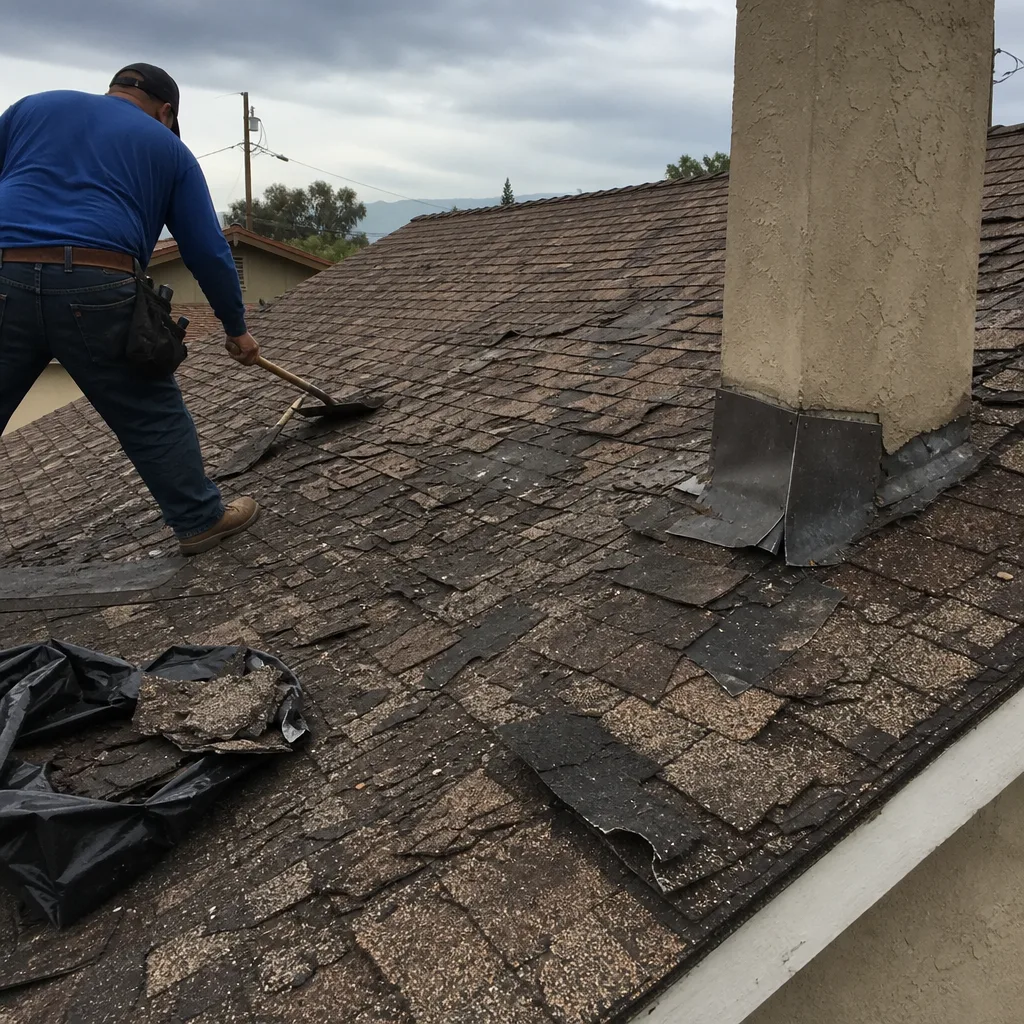 Before
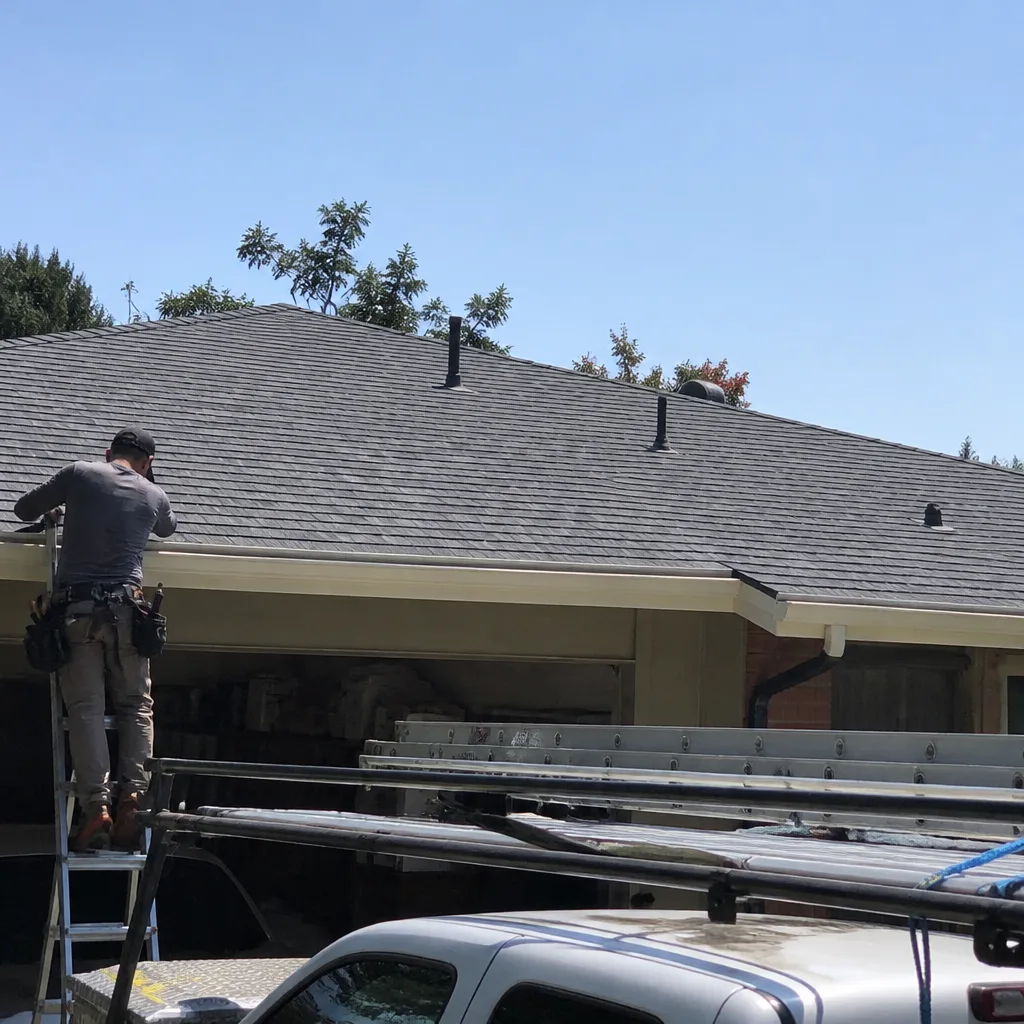
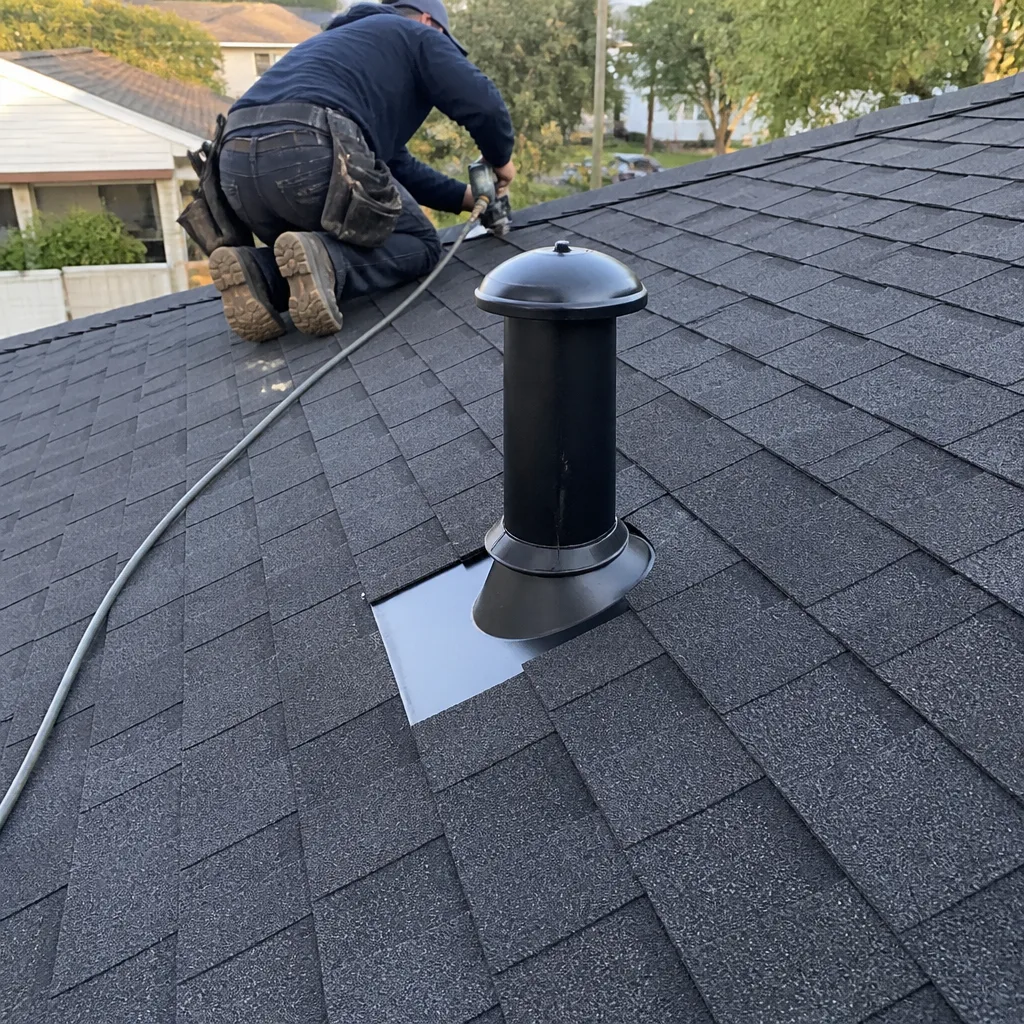 After
After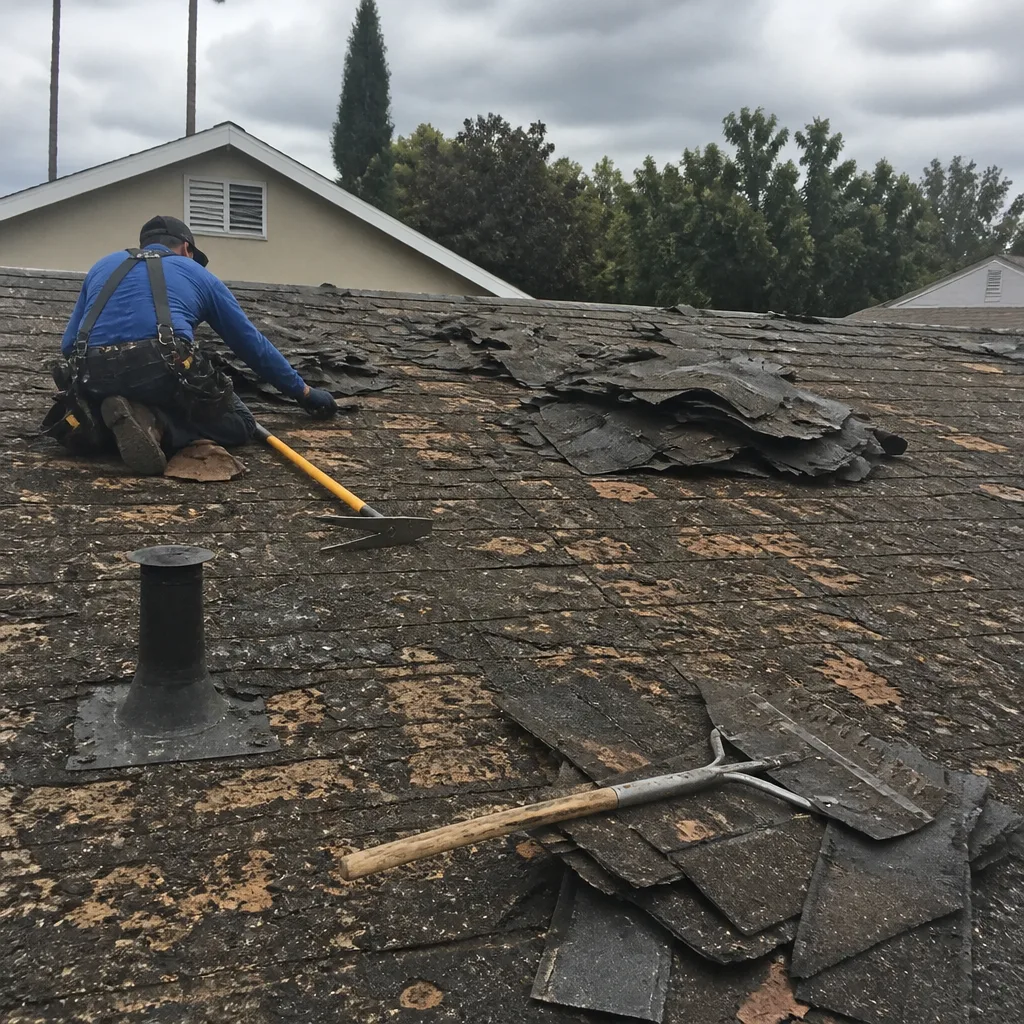 Before
 After
After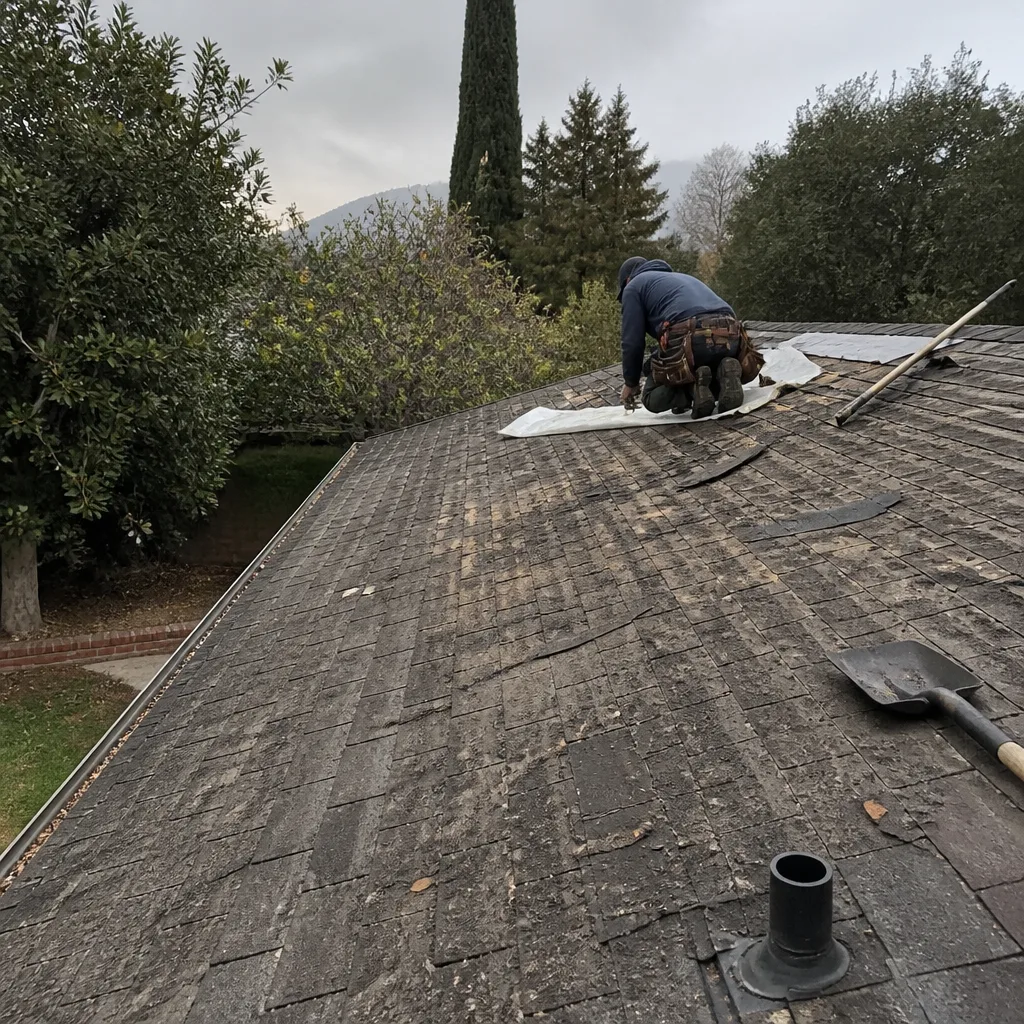 Before
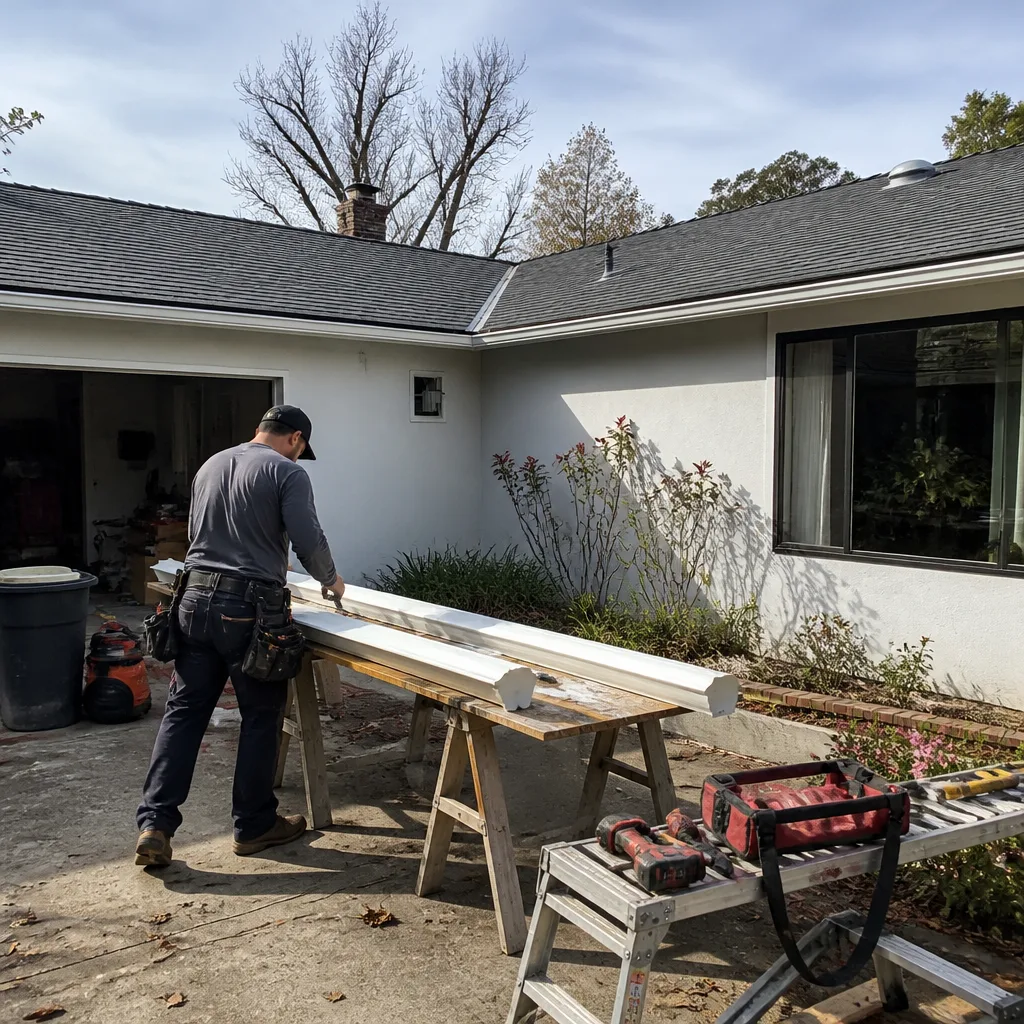 After
After