
Last updated October 17, 2026
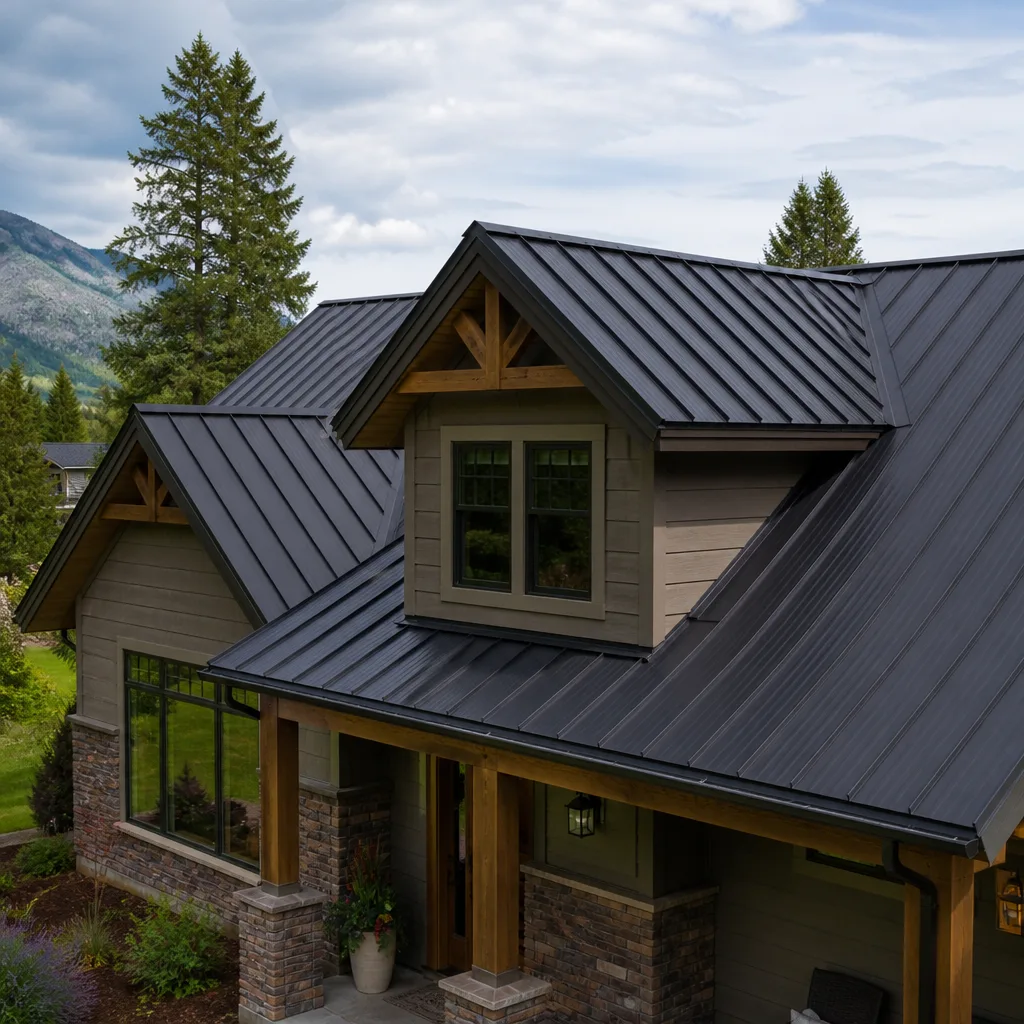 Metal roofing
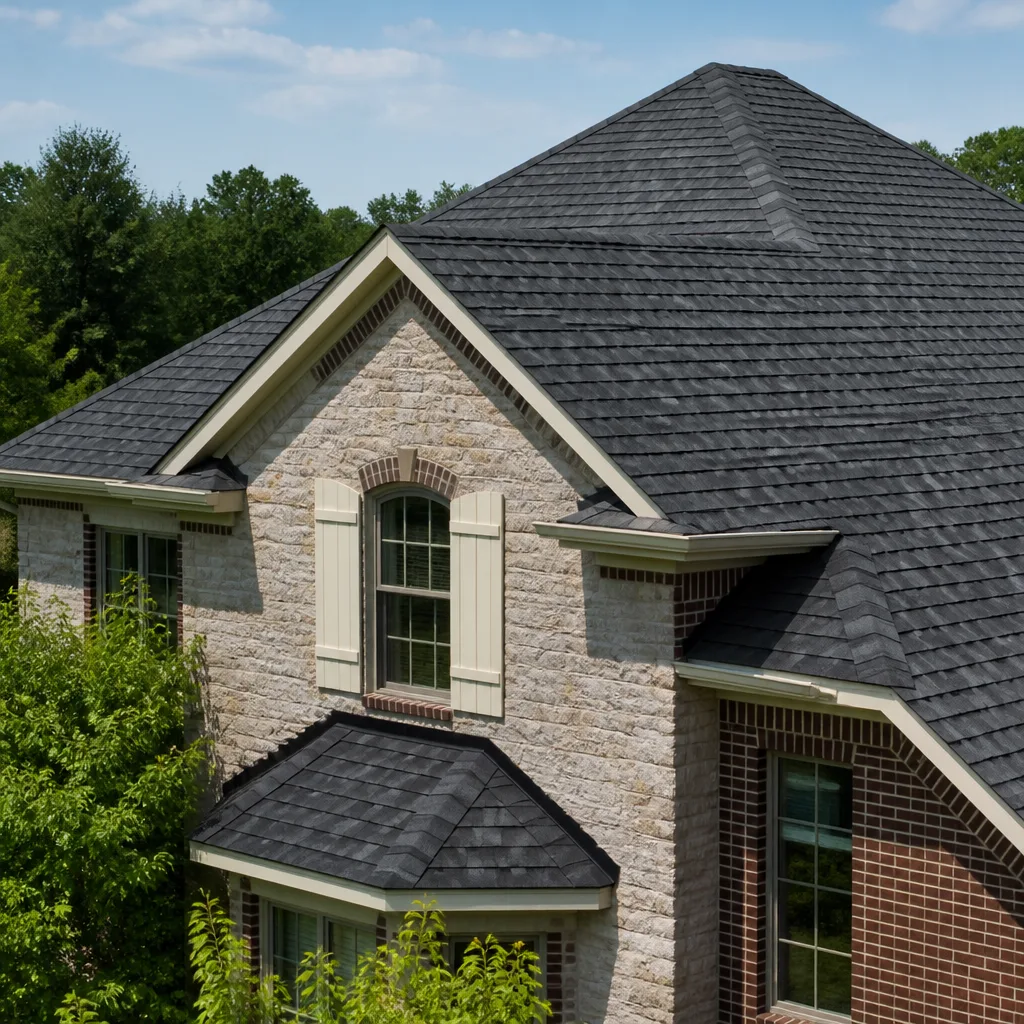 Architectural shingles
 Tile roofing
 GAF
GAF Owens Corning
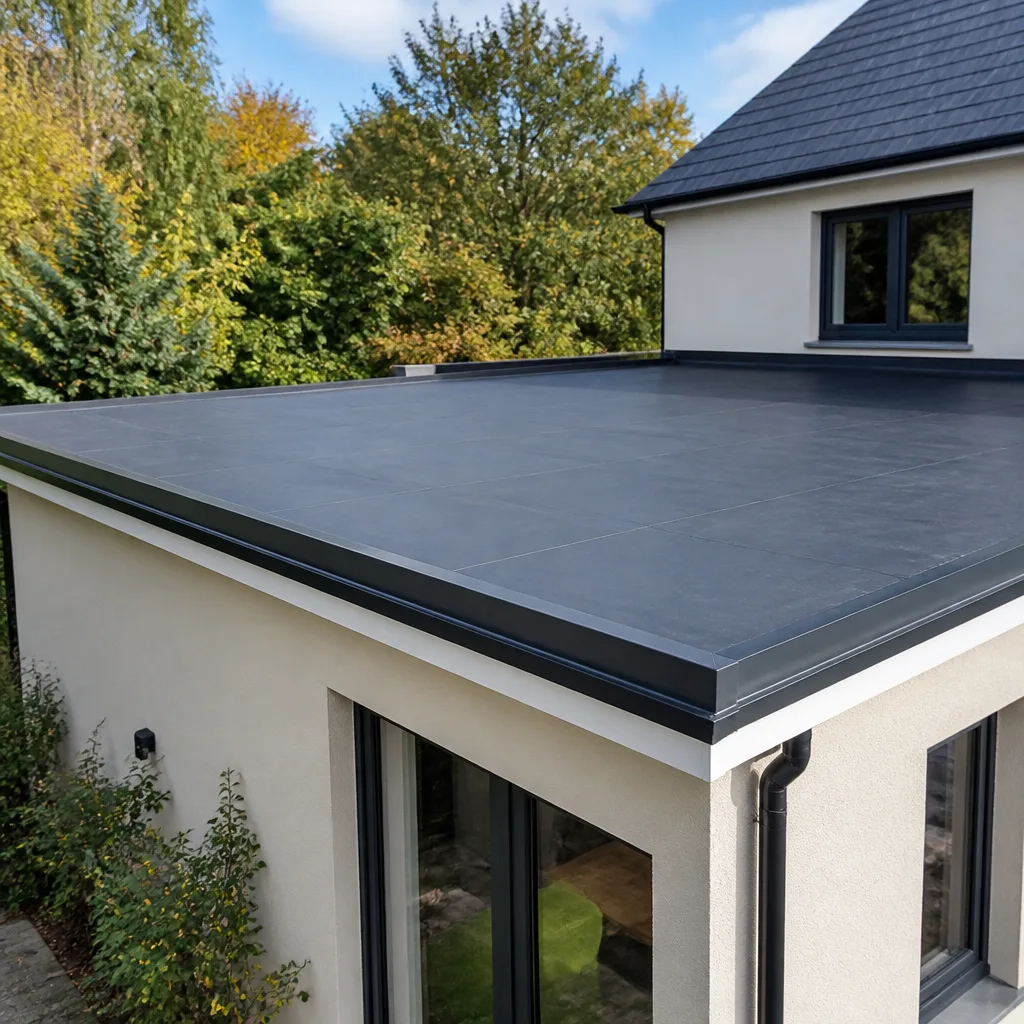 Flat & low-slope
Free roof inspection with deck photos before we talk money - GAF and Owens Corning certified installation
Roofing Company Maintenance Checklist for Pasadena Homeowners
November is our busiest month for leak calls, and it’s rarely storm damage. It’s the slow drip that started in September behind a valley flashing, back when the dry heat convinced everyone the roof was fine. If you live in Pasadena, your roof has three quiet enemies that generic checklists never mention: mature oak and camphor canopies dropping debris all year, seismic micro-shifts from the Raymond and Sierra Madre fault zones that loosen tiles by millimeters, and flat-roof blistering from the San Gabriel Valley sun that bakes modified bitumen until it cracks. This checklist is built around those specific failures, written by a Roofing Company that climbs onto Pasadena roofs every week and sees what actually goes wrong.
Quick Answer
A Pasadena homeowner should walk their roof perimeter from the ground every season, clear gutters and scuppers before the Santa Ana winds arrive in October, do a visual check for shifted tiles after any earthquake above 3.0, and schedule a professional flat-roof inspection by mid-July before peak heat stress. Document everything with photos from the same angles, and keep a one-page roof log with dates and observations so you have a baseline when something changes.
Styles & brands we work with
Table of Contents
- The Three Pasadena Inspection Windows That Matter More Than Spring and Fall
- What You Can Safely Check From the Ground
- How to Document Your Roof’s Condition With Photos Before Calling Any Contractor
- What a Maintenance Visit Should Produce in Writing
- The Difference Between Homeowner Maintenance and Licensed Roofer Work
- Keep a Simple Roof Log That Makes Insurance Claims and Contractor Conversations Faster
- Pasadena Flat Roof Care: Blistering, Ponding, and UV Stress
- Living With Mature Trees: Debris Management for Pasadena Canopies
The Three Pasadena Inspection Windows That Matter More Than Spring and Fall
Generic advice says inspect your roof in spring and fall. In Pasadena, that timing misses the point. Our climate runs on a different calendar: hot, dry summers followed by Santa Ana wind season, with earthquake risk woven through all of it. Here are the three windows that actually matter for a Pasadena roof, along with more guides & resources to keep your home protected.
Window One: Pre-Santa Ana season, late September to early October. The Santa Anas arrive every year, usually between October and February, with gusts that regularly hit 40 to 60 mph through the foothill canyons above Pasadena. Those winds don’t just blow debris onto your roof; they lift loose tiles, peel back edges of rolled roofing, and turn a small lifted shingle into a tear. The check to do in late September is simple: clear every gutter, scupper, and valley of accumulated summer debris so that when the winds come, water has a clear path. A blocked valley flashing with debris behind it is exactly the leak we get called about in November.
Window Two: Post-earthquake, any event above 3.0. Pasadena sits close to the Raymond Fault, which runs through South Pasadena and into San Marino, and the Sierra Madre Fault to the north. We don’t wait for a big one. Any quake you can clearly feel, typically magnitude 3.0 or higher, deserves a ground-level visual check of your roofline within a day or two. What you’re looking for: tiles that have slid slightly out of alignment, cracked mortar at hips and ridges, new gaps at flashing transitions, and any fresh debris fields of broken tile at the base of walls. A tile that shifts a quarter inch is still shedding water today, but the next wind event or the next quake finishes the job. If you see anything that wasn’t there before, take a photo and call a roofer for an assessment rather than waiting for a leak to announce the problem.
Window Three: Mid-summer flat-roof inspection, mid-July. Pasadena summer temperatures routinely push into the mid-90s and above, and a flat roof absorbs that heat all day with zero shade. By mid-July, modified bitumen and single-ply membranes have been through enough thermal cycling to reveal early blistering and seam separation. This is the window to have a professional check your low-slope sections before the worst of August and September heat arrives. A blister caught in July is a repair. A blister left through September cracks, and then the first rain finds the hole. We’ve watched this exact sequence play out on flat-roof sections across Madison Heights and Bungalow Heaven year after year.
What this means practically: you’re checking your roof in September, after any felt earthquake, and in July. Three targeted windows, each tied to a specific Pasadena condition, not a generic season on a national calendar.
Key Takeaways
- Clear gutters and valleys in late September before Santa Ana winds arrive
- Do a ground-level visual check after any felt earthquake (3.0+)
- Schedule flat-roof inspection by mid-July before peak heat stress
- Each window targets a specific Pasadena failure mode, not a generic season
What You Can Safely Check From the Ground
You don’t need a ladder for most of this. In fact, most Pasadena homeowners are better off staying on the ground, because a two-story Spanish Colonial on a hillside in the San Rafael Hills is not a place for a homeowner with a phone camera and good intentions. Here’s what you can observe from the ground with a pair of binoculars and a camera.
Walk the entire perimeter of your house, slowly, looking up at the roofline. Start with the gutters and downspouts: are they pulling away from the fascia, sagging, or showing water stains below the joints? Check the valley flashings: any debris piled in the V-shaped channels, any visible rust, any gaps where the metal meets the shingles or tiles. Look at the ridge line: is it straight, or is it dipping? A ridge that dips suggests a structural issue that needs a licensed assessment, not a wait-and-see approach. Examine pipe boots and vents: the rubber boots around plumbing stacks crack from UV exposure within five to eight years in Pasadena’s sun, and you can often see the cracking from the ground with binoculars.
After a wind event, check the yard itself. Broken tile fragments at the base of walls tell you something came off the roof. After rain, look for water stains on exterior walls below roof transitions, and check the soil around your foundation for any pooling that suggests a downspout is dumping water too close to the house.
From inside the house, check the attic or top-floor ceilings. Use a flashlight and look at the underside of the roof deck: dark stains, white efflorescence, or rust around nail heads all signal moisture. In Pasadena’s dry climate, a roof leak can be surprisingly slow to show itself indoors, because small amounts of water evaporate in the dry air before they ever stain your ceiling. That’s why the first sign is often in the attic, not the living room.
None of this requires setting foot on a ladder. The goal is to build a consistent baseline of observation so you know what normal looks like for your roof.
How to Document Your Roof’s Condition With Photos Before Calling Any Contractor
The single most useful thing you can do before calling any roof repair service in Pasadena is to photograph your roof from the same angles on a regular schedule. We tell homeowners this because it changes the entire conversation from “I think something looks wrong” to “here’s what it looked like in March and here’s what it looks like now.”
Here’s the method we recommend:
- Pick four to six fixed positions. Choose spots around your property where you’ll always stand: front-left corner, front-right corner, back-left, back-right, and one from across the street if the roofline is clearly visible. Note these positions in your phone.
- Take the same photos in the same order every time. Consistency is the entire point. Same phone, same time of day if possible, same zoom level.
- Include the details that matter. Get close-ups of the valley flashings, pipe boots, ridge lines, and any existing problem areas. If you have a flat roof section, photograph the entire surface from a second-story window if one looks down on it.
- Name and date the files. Use a simple format: “March-2025-front-left.jpg” or store them in a dedicated album on your phone. Three years from now, you’ll want to compare.
- After any weather event or earthquake, take the same set. This is where the system pays off. A photo from before a windstorm makes it obvious what changed during it.
When you do call a roofer, these photos give them a starting point before they arrive. They can see which areas are already flagged, which saves time and often narrows the scope of the estimate. It also protects you: if a contractor claims something was broken before they arrived, your dated photos tell the real story. At Birchbark Roofing Pasadena home, we ask homeowners to share their photo series when we come out, because it gives us context that one visual inspection alone can’t provide. The baseline is the asset.
What a Maintenance Visit Should Produce in Writing
Here’s a standard we hold to and a standard you should hold every roofer to: a maintenance visit should end with something in writing that tells you what was found, what was done, and what needs watching. If the summary is “everything looks good,” handed to you verbally at the door, you’ve received a conversation, not a maintenance report.
A written maintenance report should include at minimum:
- Date and time of the visit. Basic, but essential for your roof log.
- Areas inspected. Field, ridges, hips, valleys, flashings, penetrations, gutters, scuppers, and any prior repair locations.
- Findings in specific language. “Lifted shingle at the northeast corner, 8 inches of exposed nail line” is useful. “Minor wear” is not.
- Work performed. Debris cleared, sealant applied, fasteners tightened, tile re-bedded. With quantities where it matters.
- Photos. Before and after images of any work done, and any areas flagged for monitoring.
- Priority list. What needs attention now, what to watch, what can wait until the next inspection. With price range context if a repair is recommended.
- Recommended next inspection window. Not a generic “see you next year” but a specific note: “re-check the south flat section after the next significant heat wave.”
We also believe the price conversation belongs on paper before any recommended work begins. A written price in dollars, not a verbal range, not a handshake, not a “we’ll figure it out.” That’s part of the roofing company in Pasadena standard we operate by. You should expect the same from anyone you hire. If a roofer won’t put the price in writing before starting, that’s the end of the conversation.
The Difference Between Homeowner Maintenance and Licensed Roofer Work
There’s a clean line here, and knowing where it sits saves you money on one side and serious risk on the other. Let’s be specific about what belongs on each side of that line.
Work a homeowner can safely do from the ground: clearing gutters and downspouts by hand from a ladder only if the ladder is on firm, level ground and someone else is holding it; removing leaves and debris from valley areas you can reach safely; visual inspections with binoculars; photographing the roof from fixed ground positions; checking attic spaces from inside; trimming back tree branches that overhang the roof, if you can do so from the ground with a pole saw and the branches are small enough to manage.
Work that belongs with a licensed roofer: anything requiring you to walk on the roof surface; flashing repair or replacement around chimneys, skylights, or valley transitions; tile re-bedding or re-pointing; any flat-roof patching or coating; sealant work on pipe boots or vents; any repair involving the roof deck or underlayment; any work done above a single-story height where a fall is a hospital visit or worse.
The reasoning is straightforward. A roof surface in Pasadena is often steep, and tile is not forgiving. Spanish clay tile, which covers a huge share of Pasadena homes, is brittle and breaks under foot traffic if you step wrong. Breaking tiles while “checking” something creates the repair you were trying to avoid. Walking a modified bitumen flat roof in summer means walking on a surface that can be 150 degrees or hotter, and the granules and coatings release as you walk, shortening the roof’s life. A licensed roofer knows how to move on these surfaces and carries the insurance if something goes wrong. The do-it-yourself savings evaporate the moment a foot goes through the deck or a tile cracks under you.
If the dog needs to stay inside while a crew works on your roof, that’s a coordination detail worth raising before the visit, not on the day of. We coordinate door schedules with homeowners so pets stay safely inside without the crew and the dog playing a game of escape-the-yard.
Keep a Simple Roof Log That Makes Insurance Claims and Contractor Conversations Faster
A roof log is a one-page document you update a few times a year. Nothing complicated, nothing that requires software. A sheet in a notebook, a note on your phone, or a simple spreadsheet. The point is continuity.
Here’s what belongs in the log:
- Every inspection date, even the ones you do from the ground. “September 22: cleared gutters, noticed small debris pile at south valley.”
- Every contractor visit, with the written summary filed alongside. Date, company name, what they found, what they did, what the report says.
- Every weather event of note. “October 14: Santa Ana gusting, lost a small limb from the oak, no visible roof damage.”
- Every repair, with price and date. If you paid $1,400 for a tile repair in 2024, that’s useful context for the next conversation.
- Every photo series reference. “Photo set March 15: front-left, front-right, back-left, back-right.”
Why this matters: when you file an insurance claim after a wind event, the adjuster wants to know what condition the roof was in before the event. A log with dated entries and photos answers that question without relying on memory. When you talk to a roofer about a new issue, the log tells them what’s been done, what’s been flagged before, and what materials are already on the roof. When you consider a roof replacement in Pasadena, the log is your evidence for what the current roof has cost you in maintenance, which often clarifies the replacement decision faster than any sales pitch. The log is boring, and boring is exactly what you want here.
Pasadena Flat Roof Care: Blistering, Ponding, and UV Stress
Flat and low-slope roofing is common on Pasadena homes, especially on mid-century ranches in the Linda Vista area and on garage roofs across the city. Flat roofs fail differently than pitched roofs, and Pasadena’s solar exposure makes blistering the dominant issue. Here’s what that means for your maintenance approach.
Blistering. A blister is a bubble in the membrane or coating, caused by trapped moisture or air expanding under intense heat. On a 100-degree day in July, a flat roof surface can reach 150 degrees or more. That thermal expansion pushes the membrane upward wherever adhesion has weakened. Small blisters are stable. Large ones eventually crack, and a cracked blister is an open pathway for water. During your mid-July check, look across the flat surface for raised areas. If you see them, have a roofer assess whether they need repair before they break.
Ponding. Water that stands on a flat roof for more than 48 hours after rain is ponding, and it shortens the roof’s life measurably. Check your flat sections after any rain, and note where water collects. If the same areas hold water every time, the roof’s drainage isn’t working, either because the slope was never right, the scuppers or drains are blocked, or the surface has settled. Debris from Pasadena’s street trees collects in scuppers faster than homeowners expect, so clear them as part of every gutter-clearing session.
UV stress. The sun in Pasadena is relentless on flat roofs. Coatings fade and chalk within a few years. Seams in single-ply membranes lift as adhesives break down. Modified bitumen surfaces develop hairline cracks in the granule surface. None of this announces itself with a bang; it’s all gradual, which is exactly why the mid-summer inspection window matters. Catching UV stress early means re-coating or seam repair instead of full membrane replacement.
We work with a range of flat-roof systems, and the right material for a Pasadena home depends on sun exposure, roofline geometry, and budget. GAF and CertainTeed both produce single-ply and modified bitumen systems that hold up well under Southern California sun when installed correctly. The installation quality matters more than the product name on the box, so choose an installer who has done flat roofing in Pasadena’s climate, not one learning on your garage.
Living With Mature Trees: Debris Management for Pasadena Canopies
Pasadena’s street trees and mature yard trees are part of the city’s character, and they are also a constant source of roof stress. Coast live oaks, camphor, deodar cedar, and magnolia all drop material on roofs across Bungalow Heaven, Madison Heights, and the San Rafael Hills. Here’s what tree debris actually does to a roof and how to manage it.
Valleys and gutters fill faster than you think. A camphor tree drops leaves, berries, and small twigs nearly year-round. An oak dumps leaves in spring and acorns in fall. Whatever the tree, the result is the same: debris accumulates in valleys and gutters, and water backs up behind the debris during rain. The leak that starts behind a debris-clogged valley flashing is one of the most common repairs we do in Pasadena, and it’s entirely preventable with regular clearing.
Debris holds moisture against the roof surface. Piled leaves and needles trap dew and light rain against shingles and tiles, keeping the surface damp long after the surrounding roof has dried. For composition shingle roofs, that concentrated moisture accelerates granule loss in those spots. For tile roofs, it creates breeding grounds for moss and lichen, which hold still more moisture and can work into the tile surface over time.
Branches touching the roof wear what they touch. A branch that brushes your roof in the wind is slowly scraping the surface every time the wind blows. During Santa Ana events, that scraping becomes impact. Trim back any branch within reach of the roof surface. If the branch is part of a city-maintained street tree, contact Pasadena’s Urban Forestry team; city-owned trees have their own maintenance protocols, and you shouldn’t trim them yourself without checking first.
Debris management schedule: clear gutters and valleys every three months as a baseline, more often if you have a heavy-dropping tree like a deodar cedar. After large wind events, check valleys and scuppers within a day. Keep the roof surface clear where you can safely reach it from the ground with a roof rake or pole. The goal is simple: water should always have an unobstructed path off the roof.
Common Mistakes to Avoid
- Assuming the dry season means the roof is fine. In Pasadena, the opposite is often true. Summer heat stress creates the conditions for leaks, and the leaks just wait for rain to reveal themselves. Mid-summer is exactly when flat roofs should be inspected.
- Waiting for a leak before doing anything. By the time water shows up inside your house, the roof has already been failing for months. Interior damage adds cost that early detection would have avoided.
- Cleaning gutters but ignoring valleys. Most homeowners remember the gutters and forget the valleys, but valley flashings are where the concentrated debris does its worst work.
- Skipping the post-earthquake check because “everything looked fine.” A 3.0 quake can shift tiles by millimeters, and you won’t see it from the street without looking specifically for it. Check after every felt quake.
- Hiring a roofer who won’t put the price in writing. Verbal pricing is not pricing. A written price before work starts protects you from change-order creep and sets the baseline for the entire job.
- Walking on a tile roof to inspect it. Clay and concrete tile break under foot traffic, and a broken tile in the middle of the field means a whole section of repair. Stay on the ground; let a licensed roofer handle anything that requires walking the surface.
- Not documenting anything. Your memory is not a roof log. Photos and dated notes are the only reliable record, and they’re the only thing an insurance adjuster will accept as evidence.
See the difference
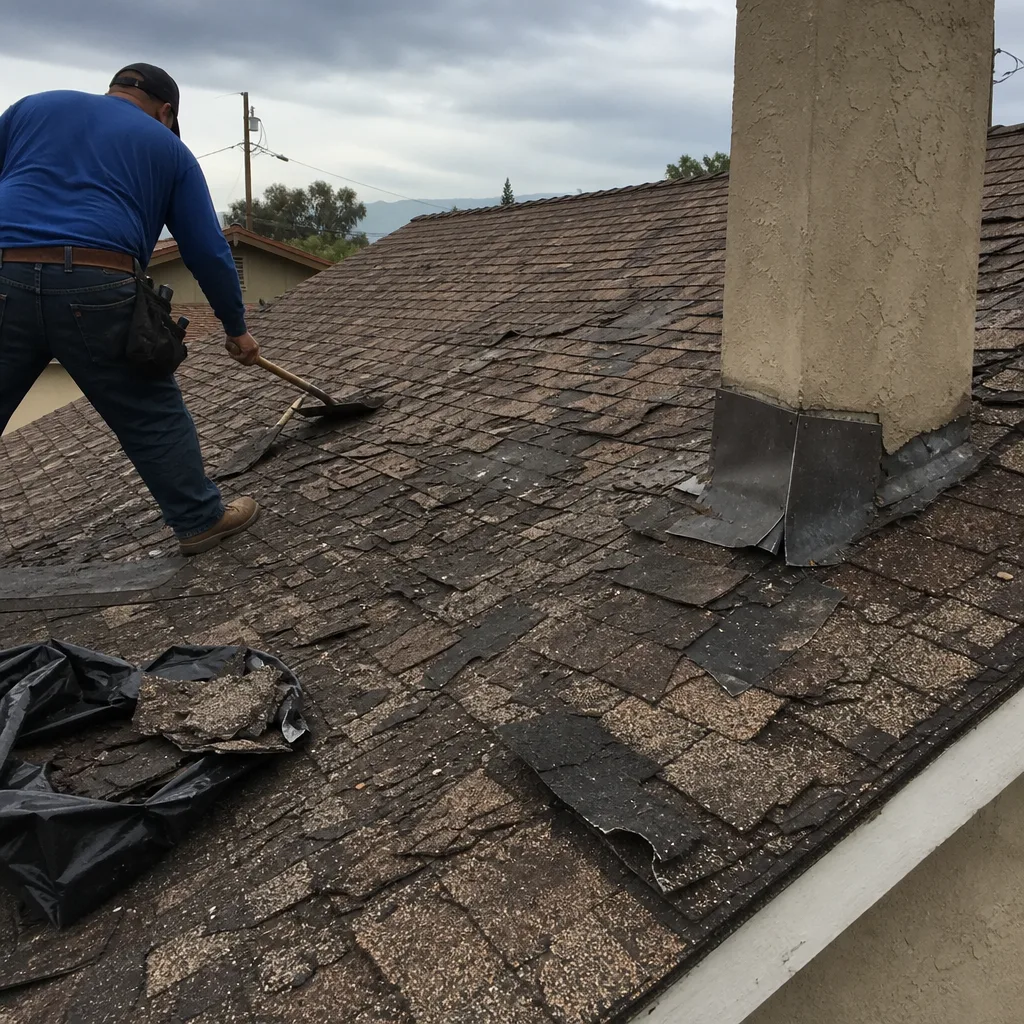 Before
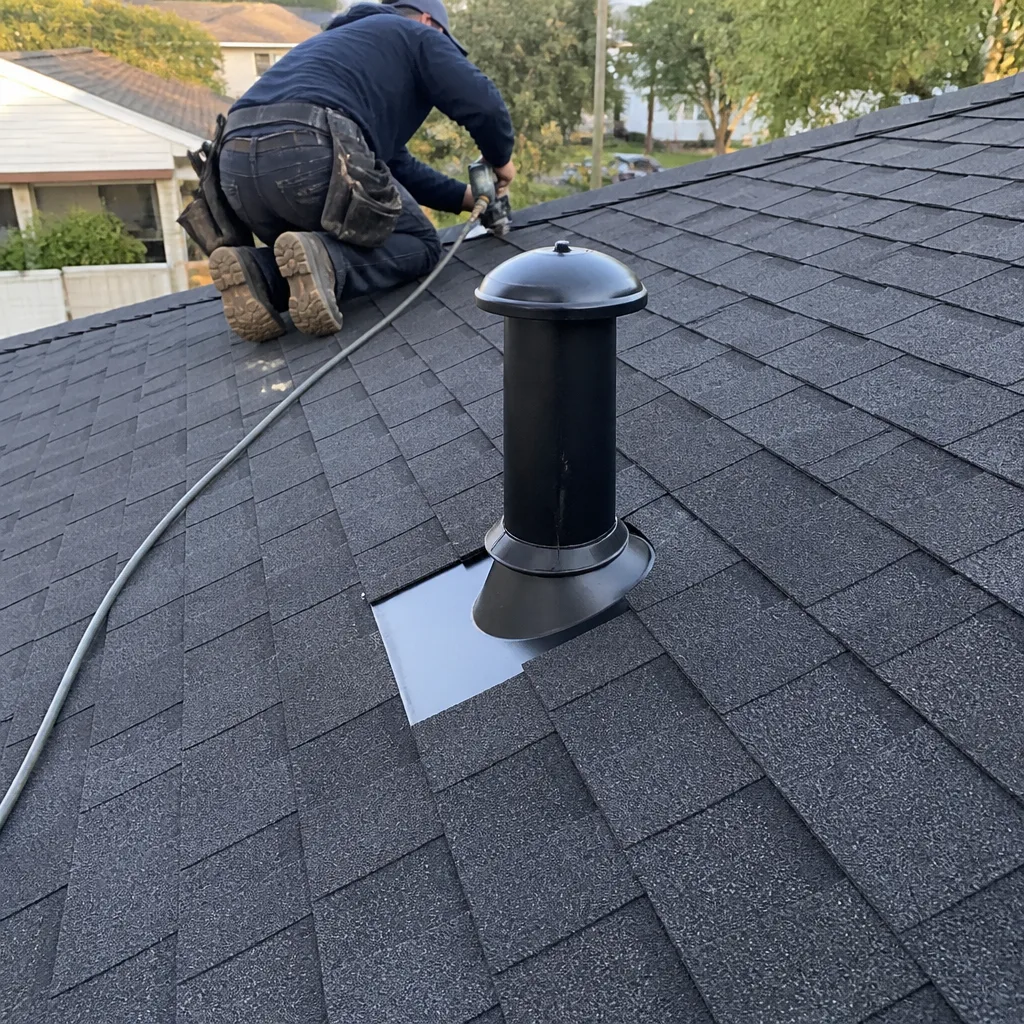 After
After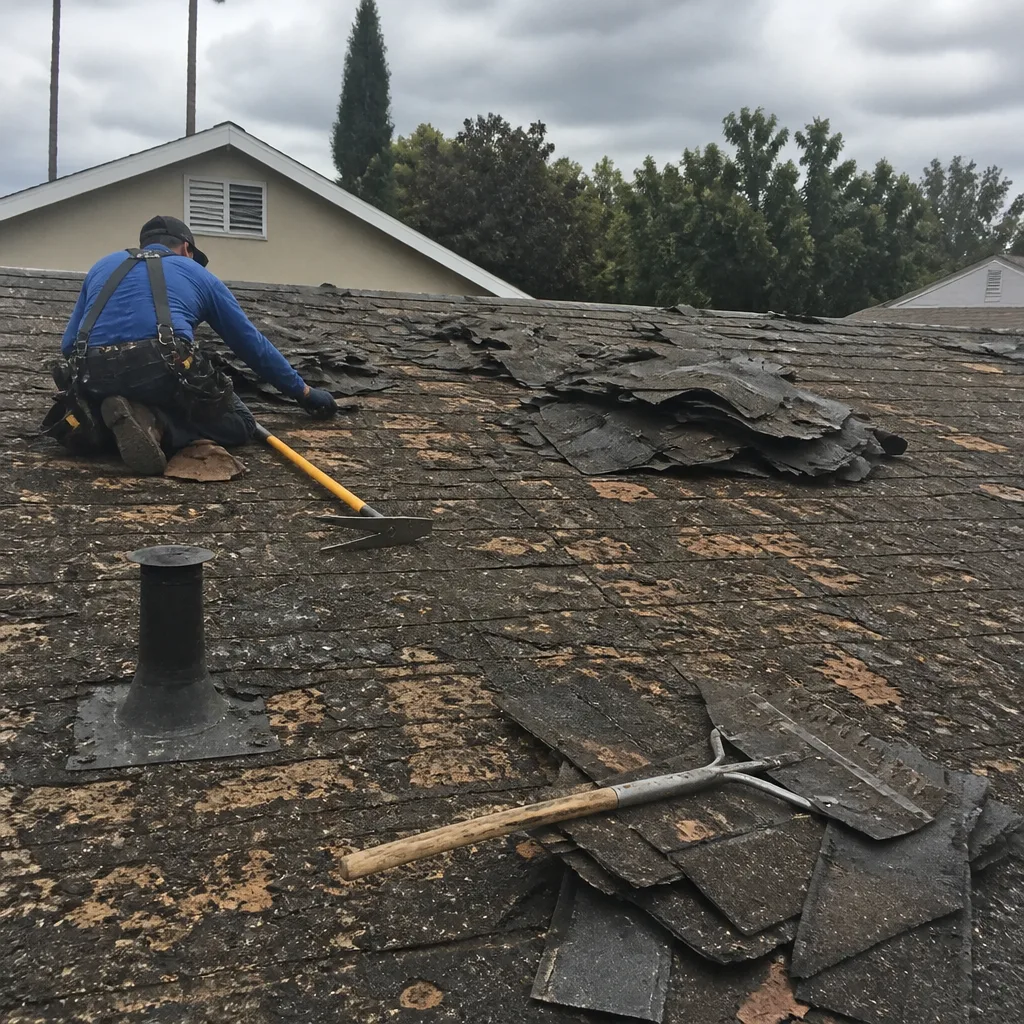 Before
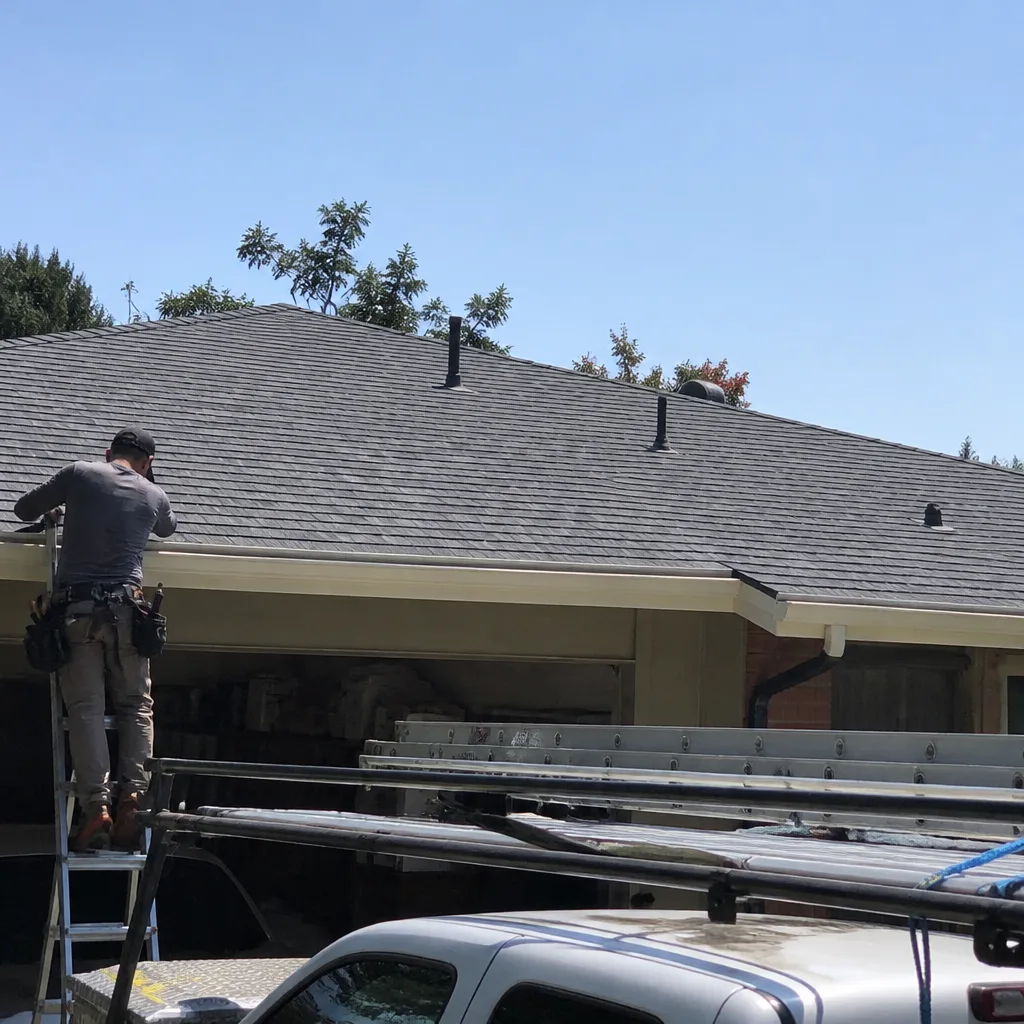 After
After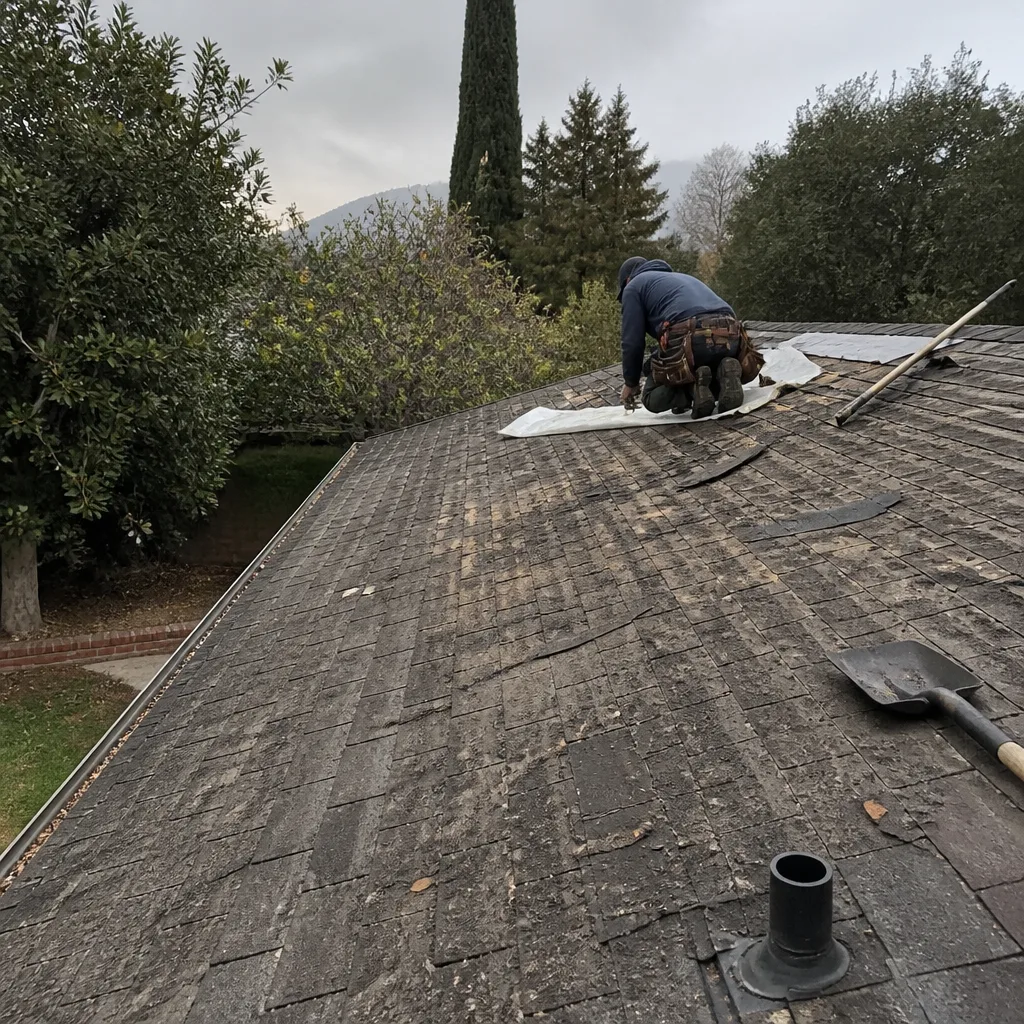 Before
 After
AfterWhen to Call a Professional
Call a licensed roofer when you see shifted or broken tiles after a quake, when a valley flashing shows visible gaps or rust, when blisters appear on a flat roof surface, when a ridge line dips or sags, when you find water stains in the attic, or when any repair requires walking on the roof surface. These are not observation items; they’re intervention items. If you’re in Pasadena and want a clear assessment with a written price before any work starts, Birchbark Roofing Pasadena offers free estimates. Call (626) 657-5397 and a person answers, day or night. We’ll take a look, tell you what we found, and put the numbers on paper.
Frequently Asked Questions
Twice a year at minimum: once in late September before Santa Ana season and once in mid-July for flat-roof sections. Add a visual check after any felt earthquake above 3.0. Pasadena’s specific conditions make this schedule more effective than relying on generic spring and fall timing. For an exact assessment of your roof, call (626) 657-5397 and we’ll schedule a free estimate.
A simple visual inspection with a written report typically runs between $150 and $350, depending on roof size and access; for a full Roofing Cost Breakdown: The Pasadena Homeowner’s Reference for 2026, see our dedicated guide. Minor repairs like tile replacement or small flashing fixes usually fall between $500 and $2,500 depending on the scope. The exact number for your roof should always be in writing before work starts, which is the standard we hold at Birchbark Roofing Pasadena. Call (626) 657-5397 for a written estimate.
Clearing gutters yourself from a properly secured ladder is reasonable if you’re comfortable on a ladder and someone else is home. If your gutters require working above a single story or on a steep slope, hire a professional. Pasadena’s two-story foothill homes and Spanish Colonial rooflines make professional gutter clearing the safer choice for many homeowners. We clear gutters as part of our maintenance visits, and we always include shoe covers and drop cloths to protect your home’s interior during the visit.
Do a ground-level visual check within a day or two: look for shifted tiles, cracked mortar at hips and ridges, new gaps at flashing transitions, and broken tile fragments at the base of walls. Take photos from your standard angles. If anything looks different, call a roofer for an assessment. Most quake-related roof damage in Pasadena is subtle, and catching it early prevents a leak from developing later. Call (626) 657-5397 for a post-quake assessment.
Ninety minutes to two hours for a typical Pasadena home, including the written report. Larger properties with multiple roof sections or extensive flat-roof areas may take longer. We schedule maintenance visits with a clear time window so you know when to expect us, and we confirm before the crew arrives.
Yes, when the scope requires it. Roof replacements and structural repairs generally require permits from the City of Pasadena’s Building and Safety Division, while minor repairs like tile replacement may not. We handle the permitting process for any work we do, and we check the requirements before we start so there are no surprises. For details, read our guide on Roofing Permits, Codes & Inspections in CA: What You Need to Know. If you’re unsure whether your project needs a permit, call (626) 657-5397 and we’ll tell you what applies.
Not from us, as long as the scope doesn’t change. We provide a written price in dollars before any work begins, and we don’t issue change orders for conditions that a competent inspection should have foreseen. If we open a roof and find hidden damage, we’ll stop, show you what we found with photos, and put any revised price in writing before we continue. That’s the 365-Day Done Right Promise applied to the entire process: if it’s not done right, we make it right.
The Bottom Line
Your Pasadena roof needs a maintenance rhythm built for sun, wind, trees, and the occasional earthquake, not a generic spring-and-fall calendar. Check the roof from the ground in September before Santa Ana winds, after any felt quake, and in July before peak heat stress. Document everything with a consistent photo series and a one-page log. Get written reports and written prices from any roofer you hire. And know the line between what’s safe to do yourself and what belongs with a licensed professional. A little consistent attention at the right times is cheaper than any leak that finds you first.
Written by Erik Lindgren, Owner at Birchbark Roofing Pasadena, serving Pasadena since 2000.