
Last updated October 17, 2026
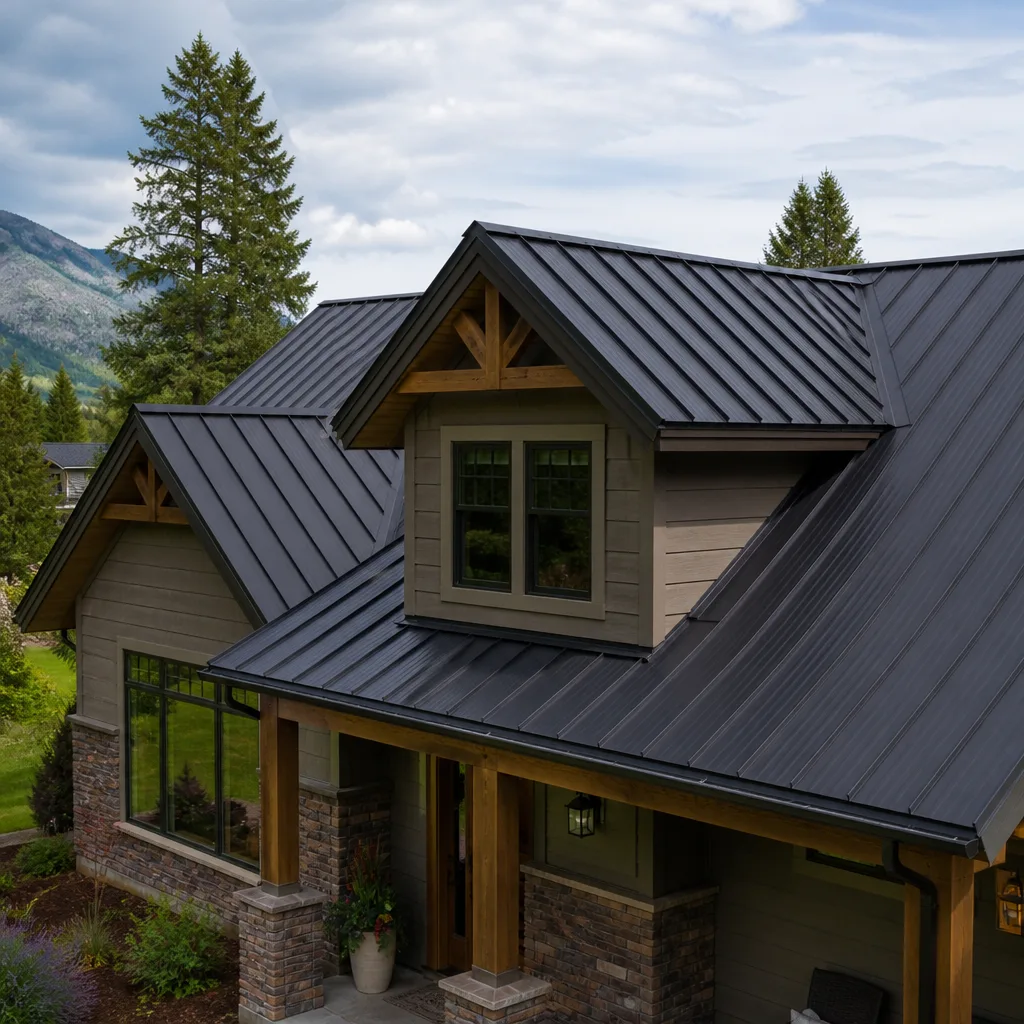 Metal roofing
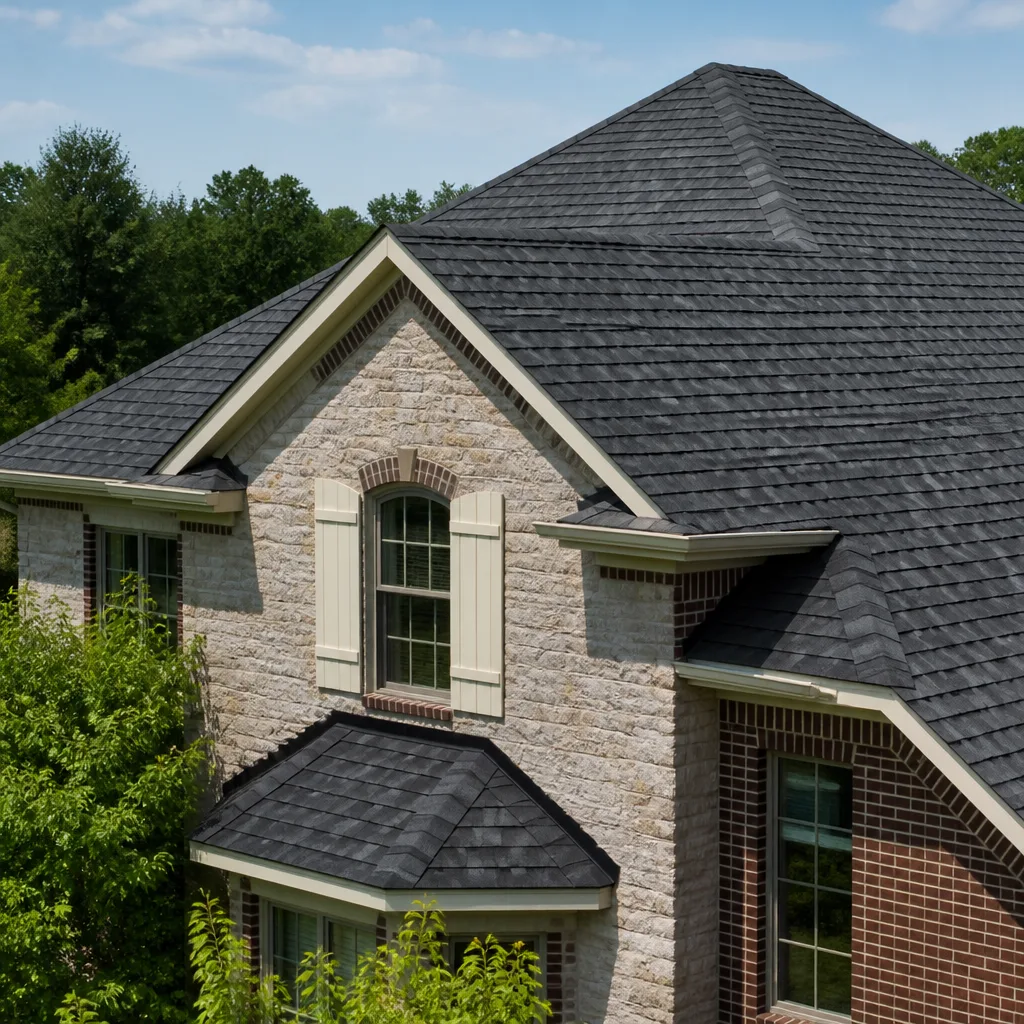 Architectural shingles
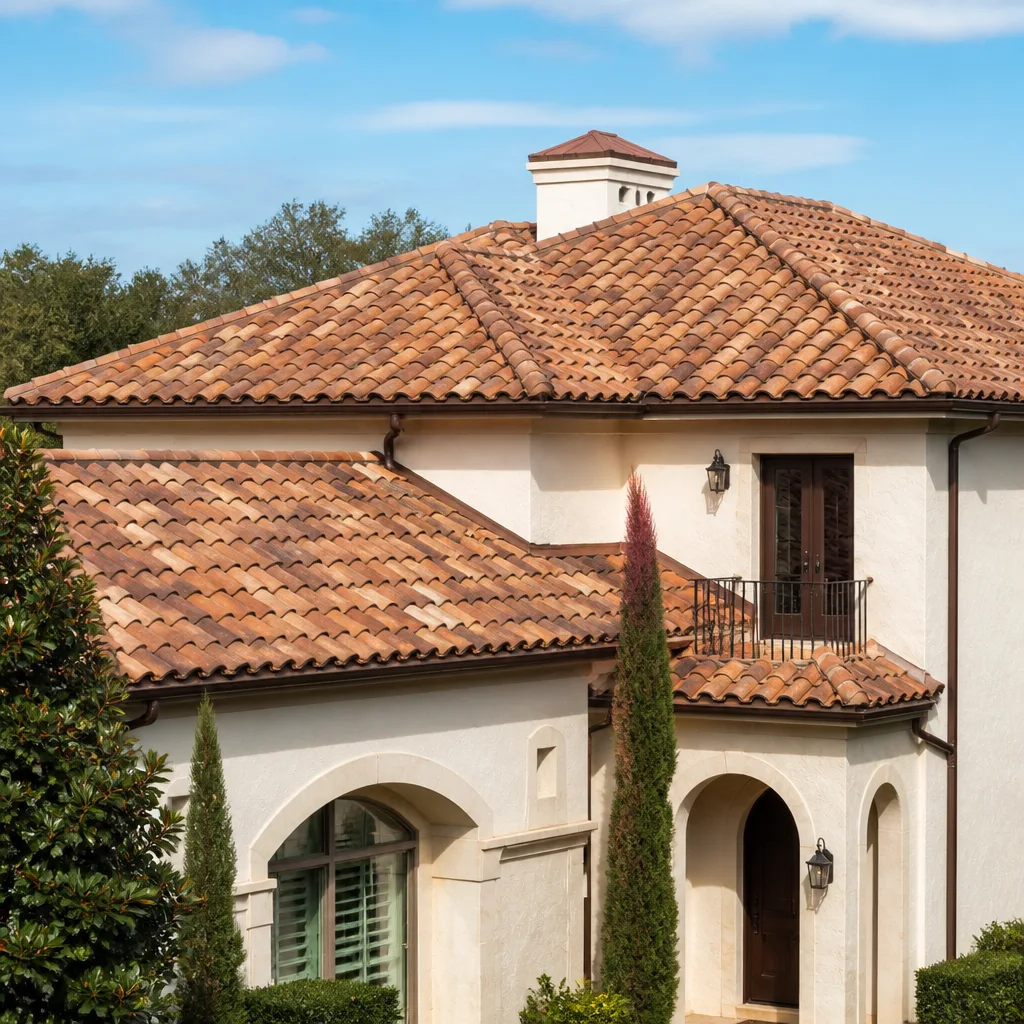 Tile roofing
 GAF
GAF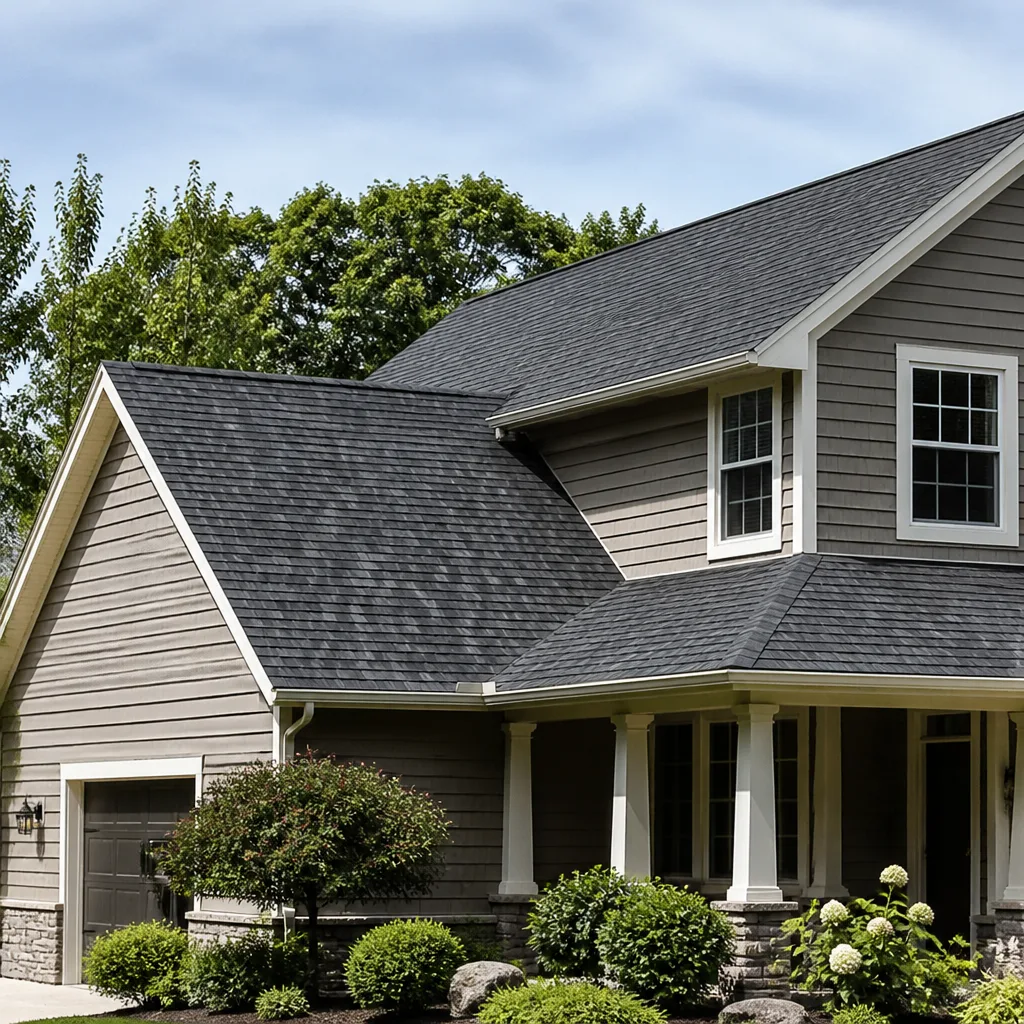 Owens Corning
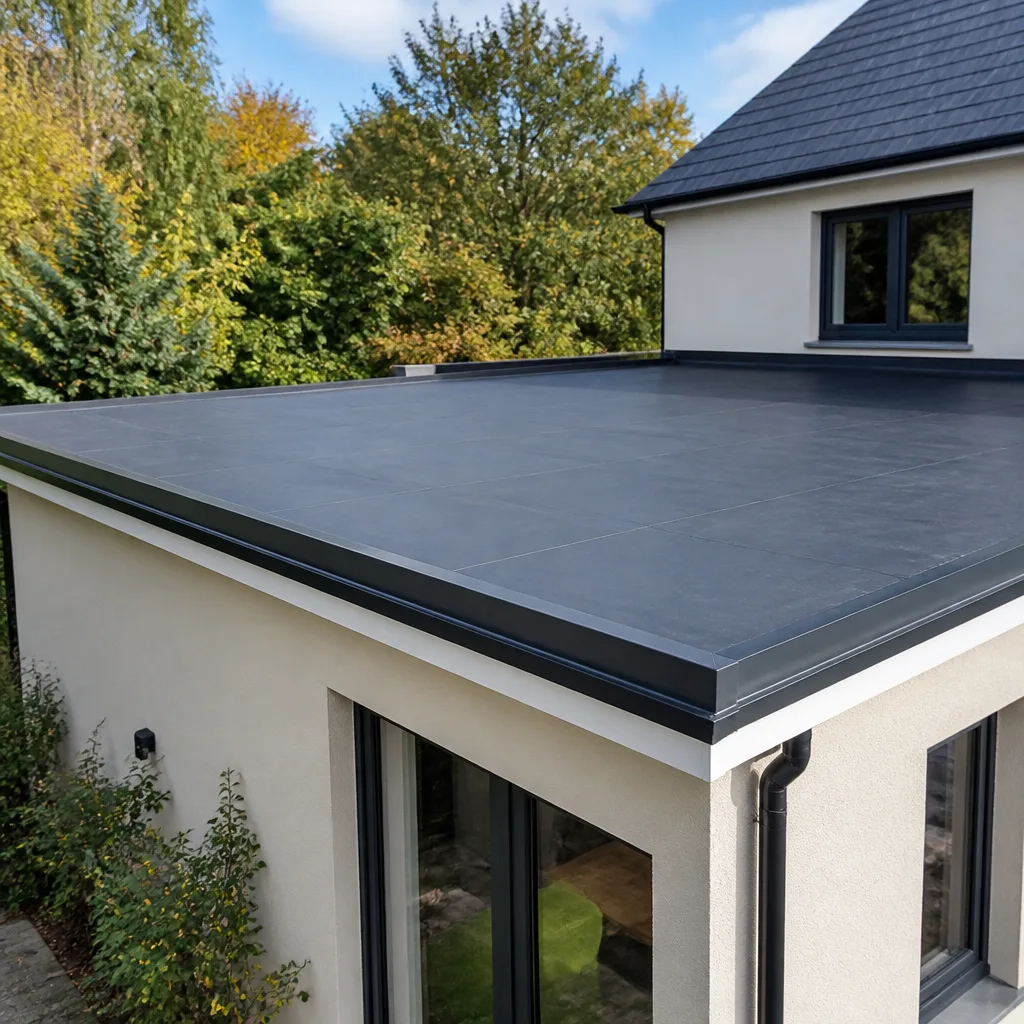 Flat & low-slope
Free roof inspection with deck photos before we talk money - GAF and Owens Corning certified installation
How to Hire a Roofing Contractor in Pasadena: A Step-by-Step Guide
California’s Contractors State License Board logs thousands of roofing complaints every year, and the single most common thread isn’t bad workmanship. It’s a contract that didn’t specify what “done” meant. That’s a fixable problem, and it’s the reason this guide exists. By the time you finish reading, you’ll know exactly which documents to request, which license class to verify, which line items to compare, and which questions make a contractor’s eyes light up with respect instead of dart toward the door. For Roofing Permits, Codes & Inspections in CA: What You Need to Know, see our dedicated guide. Pasadena’s housing stock is older than most California cities, which means roofs here wear differently, fail differently, and get quoted differently than roofs in newer builds. Knowing the paperwork side of hiring protects you more than any brand preference ever will.
Styles & brands we work with
Quick Answer
To hire a roofing contractor in Pasadena, verify their C-39 license on the CSLB website, request a written estimate that complies with California Business & Professions Code 7159, compare line items across at least three bids using a scope translation sheet, ask whether labor is in-house or subcontracted, and confirm what “done” includes in writing before signing. A contractor who provides a written price before any work starts, documents clean-up expectations, and backs the work with a written guarantee is the one you want on your roof.
Table of Contents
- Step 1: Verify the C-39 License in 60 Seconds
- Step 2: What Your Written Estimate Must Legally Include in California
- Step 3: How to Compare Bids When the Line Items Don’t Match
- Step 4: The “Free Inspection” That Isn’t Free
- Step 5: Ask Who Actually Does the Work
- Step 6: Put Clean-Up Expectations in Writing
- Step 7: Understand the Warranty and Guarantee Language
- Common Mistakes to Avoid
- When to Call a Professional
- Frequently Asked Questions
- The Bottom Line
Step 1: Verify the C-39 License in 60 Seconds
Every legitimate roofing contractor in California holds a C-39 Roofing Contractor license issued by the Contractors State License Board. Not a general contractor’s license. Not a handyman registration. C-39 specifically. This distinction matters because the state requires a separate exam and experience qualifications for roofing work, and unlicensed operators frequently operate under the guise of “general contracting” or “maintenance services.”
Here’s the verification walkthrough:
- Go to cslb.ca.gov – the official Contractors State License Board website, not a third-party directory.
- Click “Check a License” on the homepage, then select “License Check” from the dropdown.
- Enter the contractor’s business name or license number. If you don’t have the number, search by name. Pasadena has hundreds of active roofing licenses, so searching by name works quickly.
- Look for three things on the results page: the license status says “Active”; the classification shows “C-39 – Roofing”; and the “Workers’ Comp” field shows coverage if the contractor has employees. If workers’ comp shows “Exempt,” that means the contractor is a solo operator with no employees, which changes the risk picture.
- Check the “Bond” and “Insurance” fields. A contractor’s license bond is legally required. If the bond shows “Cancelled” or “Expired,” walk away.
The entire process takes about a minute. In our experience running a roofing company in Pasadena, the homeowners who check licenses before calling are also the ones who ask the sharpest questions during the estimate. It sets the tone for the whole relationship.
What “Active” Doesn’t Tell You
An active license means the contractor met state requirements at some point. It does not mean they’ve never had complaints. The CSLB site also shows “Arbitration Awards” and disciplinary actions. Pasadena homeowners should check this tab specifically, because the CSLB’s Southern California office handles a high volume of roofing disputes from LA County. A license with a clean record is the floor, not the ceiling.
Step 2: What Your Written Estimate Must Legally Include in California
California Business & Professions Code 7159 requires any home improvement contract over $500 to include specific written elements. A roofing estimate that lacks these is not just inconvenient. It’s a legal red flag that tells you the contractor either doesn’t know state law or hopes you don’t.
Here’s what your written estimate must show:
- A written description of the work to be performed. Not “roof repair.” It should say “remove and replace 14 linear feet of step flashing along north-facing chimney” or the equivalent specificity.
- A total price in dollars. Estimates cannot be vague ranges for contract work. You can receive a preliminary ballpark over the phone, but the formal estimate must show a specific dollar figure.
- A payment schedule. California caps the down payment for home improvement contracts at 10% of the total price or $1,000, whichever is less. If a contractor asks for 50% upfront to “buy materials,” they are legally out of bounds. Walk away.
- The approximate start and completion dates. Not exact, but reasonable windows. “Spring 2026” is not specific enough for a signed contract.
- A notice of your right to cancel. California provides a three-day right to cancel most home improvement contracts. If the contract doesn’t mention this, it’s missing a required legal element.
- “Tear-off to deck” vs. “Install over existing” – The first means all old roofing is removed down to the plywood or plank deck. The second means new shingles go on top of old ones. The price difference is substantial, and the second option can hide deck rot that never gets inspected. Pasadena’s older homes, especially those built before 1970, frequently have plank decking that’s never been exposed. You want “tear-off to deck” in the scope.
- “Re-nail existing deck” vs. “Inspect deck and replace as needed” – The first is a fixed action with a fixed cost. The second can result in change orders mid-job. Ask which deck repairs are included in the base price and which trigger additional charges. A good contractor in Pasadena will tell you, in writing, what the deck replacement unit price is per 4×8 sheet before you sign.
- “Replace all flashing” vs. “Reuse existing flashing where possible” – Chimney flashing, step flashing, and pipe boots fail at different rates than shingles. Reusing flashing on a full replacement is false economy in Pasadena’s climate, where UV exposure bakes metal flashing hard over the years. Insist on new flashing for a full replacement.
- “Includes gutters” vs. “Gutter work by others” – Some roofing bids include fascia board repair and gutter re-hanging. Others exclude it entirely. You need to know which, because a roof replacement that skips damaged fascia leaves you with a hidden rot problem that the next contractor will quote separately.
- “1-year workmanship” vs. “5-year workmanship” vs. written guarantees – Workmanship coverage is separate from manufacturer warranty. A 1-year workmanship guarantee on a roof that should last 25-plus years is a signal about how much the contractor trusts their crew.
- Set the expectation before the appointment. When you schedule, say: “I’m getting three estimates, and I won’t be signing anything the day you come. Is that still okay?” A professional will say yes without hesitation. A sales-driven operation will start making excuses about why you need to decide quickly.
- Ask for the written estimate, not the presentation. Say: “I’d like the written estimate to review on my own time.” A contractor who respects this is trained to serve. One who pushes the presentation is trained to close.
- Take notes and ask for photos. If the inspector claims to see a problem, ask them to show you a photo from their phone. In our experience running roof repair in Pasadena, there’s a clear difference between a technician who photos documents damage and one who waves vaguely at the roof through the window.
- Never sign a contract with a “today only” discount. A price that’s only good if you sign before the contractor leaves the driveway is not a price. It’s pressure wearing a price costume. In California, you have a three-day right to cancel anyway, which makes same-day urgency even more artificial.
- Call back later. If the company calls you daily after the inspection, that’s the sales engine revving, not a roofing professional. Legitimate contractors follow up because they want the job, but they don’t call you at 8 PM the same night asking for a decision.
- “Is the installation crew employed by you, or do you subcontract the labor?” In-house crews mean the company you sign with has direct control over training, background checks, and who shows up. Subcontracted crews mean a different company’s employees do the work, and your recourse if something fails may involve a second company you never signed with.
- “Does the same crew that does the tear-off also do the installation?” Some roofs fail because different teams handle different phases, and information gets lost between them. A single crew that owns the job from start to finish is accountable for the entire result.
- “Are your technicians background-checked?” This question feels awkward, but it shouldn’t. A company that runs background checks on every employee has no problem answering it. A company that doesn’t will deflect. The answer tells you who will be walking through your hallway to the roof access.
- “Who is my point of contact if something looks wrong mid-job?” The answer should be a named person, not a generic number. A specific project lead who knows your address and your scope is the difference between a small fix and a long delay.
- Interior protection. Does the crew wear shoe covers before entering? Will drop cloths cover floors in the hallway and stairs leading to the roof access? We include shoe covers and drop cloths on every visit, because the fastest way to extend a roofing project into a flooring project is to track roofing grit across hardwood 12 times in a day.
- Debris containment. Will old shingles be thrown from the roof to the ground, or lowered in a controlled way? Throwing is faster and noisier and sends nail fragments into the landscaping. Lowering is slower and safer. The estimate should say which method the company uses and where the debris container will sit.
- Magnet sweeps. After tear-off, nails end up in the lawn, the driveway, the flower beds. Ask if the crew runs a magnetic sweep of the property. If the answer is “we do our best,” ask for specificity. A magnet sweep is a tool. It either happens or it doesn’t.
- Pet coordination. If the dog needs to stay inside, the crew should coordinate door schedules with you so no one surprises each other. We use pet-safe product choices where available and coordinate door access with homeowners before the crew starts moving in and out.
- Final clean-up verification. The estimate should say what “done” includes: all debris removed, magnet sweep completed, walkway clear. At Birchbark Roofing Pasadena, we photograph the completed clean-up before the crew leaves, so you can see what we saw when we called the job finished.
- Manufacturer warranty covers defects in the shingle product itself. If a GAF or CertainTeed shingle fails due to a manufacturing defect, the manufacturer pays for replacement shingles. The manufacturer warranty typically covers materials only, not the labor to remove and reinstall. The length varies by product line, from 25 years to lifetime coverage.
- Workmanship warranty covers installation errors by the contractor. If the crew nailed the shingles in the wrong place and a leak results, workmanship coverage pays for the fix. The length is set by the contractor, typically 1 to 10 years. This is the number to ask about, because installation error is more common than product defect.
- System warranty is offered when the manufacturer and contractor partner on a full system installation. GAF’s Golden Pledge, for example, covers materials and labor for a defined period when the roof is installed by a certified contractor using the complete GAF system. These warranties are stronger but not every contractor can offer them, and not every job needs them.
- Skipping the license check because the contractor “seems nice.” The CSLB website takes 60 seconds. The money you save by not checking can disappear in one dispute arbitration. In Pasadena, where roofing scams cluster around storm seasons, the unlicensed operators are often the most charming.
- Accepting a verbal estimate and a handshake. California law requires a written contract for home improvement work over $500. A contractor who skips this is either unaware of state law or betting you are. Neither is acceptable.
- Comparing total prices without comparing scope. A $2,000 price difference between bids usually means a piece of work is included in one and excluded in the other. Comparing totals alone is comparing different jobs.
- Paying more than 10% or $1,000 down. California caps home improvement down payments. Any contractor asking for more upfront is exposing you to risk, and the state has specifically designed the law to prevent this scenario.
- Assuming “lifetime warranty” means “free roof forever.” Lifetime warranties cover manufacturing defects, pro-rated in many cases, and exclude labor. Read the warranty document, not the marketing language.
- Not asking about the clean-up process before signing. Pasadena homes with kids and pets feel the clean-up failure more intensely than the roof failure. Nails in the driveway and grit on the floorboards are preventable with one paragraph in the written scope.
- Signing on the same day as the “free inspection.” The three-day right to cancel protects you, but the pressure of the moment can override your judgment. Get the written estimate, sleep on it, compare, then decide.
Three things to walk away from immediately if they’re missing: the written description of work, the total dollar price, or the 10% down payment cap language. Any contractor who balks at these in Pasadena is asking you to take on legal risk that the state of California has specifically designed these rules to prevent.
At Birchbark Roofing Pasadena, we provide a written price before any work starts, always. Not a verbal ballpark. Not a “we’ll figure it out as we go.” A dollar figure on paper, along with the scope description. It’s the single most protective document a homeowner receives, and it costs the contractor nothing to provide. If a roofer won’t put it in writing before work begins, you’ve learned something important about how the job will go.
Step 3: How to Compare Bids When the Line Items Don’t Match
You’ll get three bids for a roof replacement in Pasadena and discover that none of them use the same language. One says “remove and dispose existing roofing.” Another says “tear-off to deck.” A third says “R&R existing shingle system.” They all mean roughly the same thing, but the differences can hide thousands of dollars of included or excluded work.
Here’s a translation guide for the most common scope discrepancies we see in Pasadena bids:
The easiest way to compare is to build a simple table. List every line item down the left side: tear-off, deck inspection, underlayment brand, shingle brand and model, flashing replacement, pipe boots, ridge cap, debris disposal, clean-up protocol, permit costs, workmanship year count. Fill in what each bid says for each row. The gaps become obvious immediately.
Material brands matter here. A Pasadena roof with GAF Timberline shingles carries a different price than one with CertainTeed Landmark or Owens Corning Duration, and each has different warranty terms and solar reflectivity ratings. When you see a brand on a bid, ask which specific product line, not just the manufacturer. A “GAF roof” could mean a 25-year or a 50-year product, and the manufacturer warranty differs between them.
Step 4: The “Free Inspection” That Isn’t Free
Some roofing companies in Pasadena offer “free inspections” as a marketing funnel, not a service. The technician arrives, spends 15 minutes on the roof, and then delivers a 45-minute high-pressure presentation at your kitchen table designed to close the sale that same day. The inspection was never about finding leaks. It was about getting a salesperson in front of you while your guard is down.
This is a documented sales tactic in the roofing industry, and it works because homeowners feel a social obligation after someone has “done something free” for them. Here’s how to slow it down without being rude:
A genuinely free inspection should end with information, not obligation. At Birchbark Roofing Pasadena, the estimate process ends with a written price and a clear explanation of what we found. No timer running. No discount expiring when the truck leaves.
Step 5: Ask Who Actually Does the Work
The person who measures your roof and shakes your hand is not always the person who installs the shingles. Pasadena roofing companies handle labor in two ways: in-house crews or subcontracted crews. Both can produce good work, but the answer changes your warranty coverage, your point of contact during the job, and what happens if something fails.
Here’s what to ask, and why the answer matters:
At Birchbark Roofing Pasadena, our technicians are background-checked and uniformed, and homeowners know who is on their property before the crew arrives. It’s a simple thing, but it’s also the thing most families worry about most: who is walking through the front door and up the ladder.
Step 6: Put Clean-Up Expectations in Writing
For Pasadena homeowners with kids and pets, the clean-up protocol matters as much as the shingle choice. A roof replacement generates debris: old shingles, nails, flashing, granules, and the dusty remains of decades of Pasadena sun. What happens to that debris, and what happens inside your home while the crew works, should be spelled out before anyone touches the ladder.
Here’s what a specific clean-up section in a written estimate should include:
If a contractor’s written scope says “clean up” and nothing else, ask what that means. The C.A.R.E. values we follow at Birchbark Roofing Pasadena make this explicit: Clean up like it is our own home. Ask before we move or touch anything. Respect the family’s time and quiet hours. Explain the price before the work. Those four sentences, when they’re actually in the estimate, tell you more than a hundred “we care about quality” reassurances.
Step 7: Understand the Warranty and Guarantee Language
Roofing warranties come in layers, and each layer covers a different thing. Confusing them is how homeowners end up paying out of pocket for a roof failure they assumed someone else would cover.
Here’s the breakdown:
The guarantee language that matters most in Pasadena is the one that covers the gap between “manufacturing defect” and “installation error.” Because when a roof leaks, the homeowner doesn’t care whose fault it is. They want it fixed. At Birchbark Roofing Pasadena, our 365-Day Done Right Promise covers that gap: if the work isn’t right, we make it right. That guarantee is stamped on every job, in writing, and it applies to every repair and replacement we perform. It’s a simple sentence, but it’s the one that matters when water is coming through the ceiling.
For a deeper look at replacement specifics across the area, our roof replacement guide for Pasadena walks through material selection, timelines, and what a written replacement scope should include.
Common Mistakes to Avoid
When to Call a Professional
Some situations warrant a professional visit immediately, not a DIY investigation. If you see water stains spreading across a ceiling or running down an interior wall, the leak has already found its way through the deck and you need a roofer, not a flashlight. If a section of shingles has blown loose after a Santa Ana event and you can see exposed underlayment from the ground, the window to fix it cheaply is measured in days. If granules are collecting in your Pasadena gutters in visible amounts, the shingles are nearing the end of their useful life and a full evaluation is the right next step. And if you’re buying or selling a home in Pasadena, a roof inspection from a licensed contractor gives you leverage at the negotiating table.
Birchbark Roofing Pasadena offers free estimates for roofing work throughout Pasadena. Call (626) 657-5397 to schedule yours. A live person answers 24/7, and the written estimate you receive is yours to keep, compare, and consider on your own schedule.
Frequently Asked Questions
Go to cslb.ca.gov, click “Check a License,” and enter the contractor’s business name or license number. Confirm the license is Active, shows the C-39 Roofing classification, and lists current bond and workers’ comp information. The entire check takes about 60 seconds and should happen before any contractor walks your property.
California law caps down payments for home improvement contracts at 10% of the total price or $1,000, whichever is less, under Business & Professions Code 7159. A contractor asking for more than that upfront is legally out of bounds. For exact pricing on your roof, call (626) 657-5397 for a free estimate with a written price.
A C-39 is the specific California contractor license classification for roofing work, issued by the Contractors State License Board. It requires passing a specialized roofing exam and demonstrating experience. A general contractor license does not authorize roofing work in California, and hiring an unlicensed roofer in Pasadena exposes you to liability for any worker injury on your property.
Most single-family roof replacements in Pasadena take 2 to 5 days depending on roof size, pitch, deck repairs, and weather. A written estimate should include an approximate start and completion date. Ask your contractor what happens to the schedule if deck rot is discovered, because Pasadena’s older housing stock frequently hides deck issues that are only visible after tear-off.
A manufacturer warranty covers defects in the shingle product itself, typically only for materials, not labor. A workmanship warranty covers installation errors by the contractor. Workmanship coverage length varies widely, from 1 to 10 years, and it’s the coverage most likely to matter in Pasadena because installation errors cause more early leaks than product defects. Call (626) 657-5397 to ask about the specific warranty terms that apply to your roof.
Yes. A pre-listing roof inspection gives you documentation that either supports your asking price or shows you what needs to be fixed before buyers discover it during their inspection period. Buyers in Pasadena’s older housing stock routinely negotiate price reductions for roof conditions, and a pre-listing inspection reduces that risk by giving you time to address issues on your own schedule and budget.
The Bottom Line
Hiring a roofing contractor in Pasadena comes down to documents, not handshakes. Verify the C-39 license on the CSLB website before anyone walks your property. Request a written estimate that meets California Business & Professions Code 7159 requirements, including a specific dollar price and a written description of work. Compare bids by line item, not by total. Ask who performs the labor, and ask for clean-up expectations in writing. The contractor who provides clear answers to those questions is the contractor whose roof you’ll be glad you chose. If you’d like to see what a written, specific, no-pressure estimate looks like, start with Birchbark Roofing Pasadena. We’ll walk you through the same steps in this guide, and the written price you receive is yours whether you hire us or not.
Written by Erik Lindgren, Owner at Birchbark Roofing Pasadena, serving Pasadena since 2000. Browse more guides & resources on our blog.
See the difference
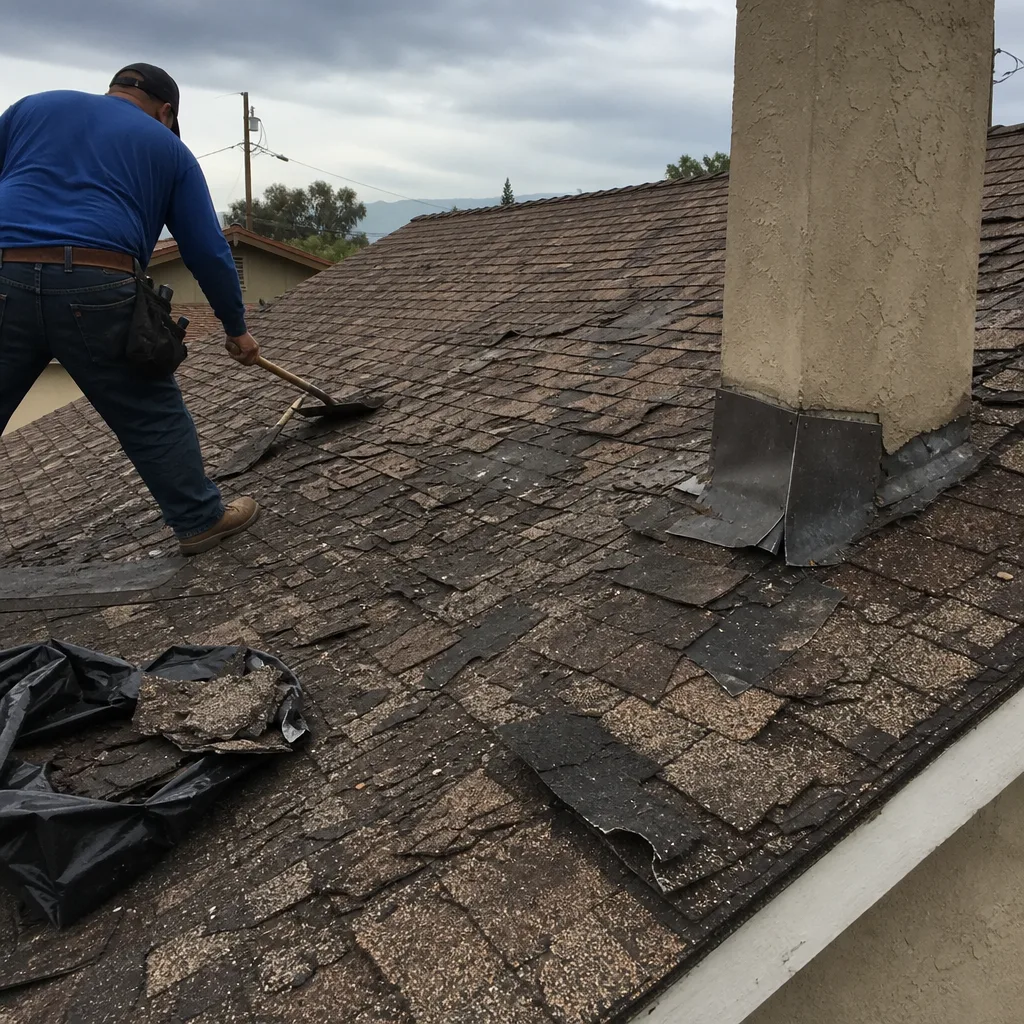 Before
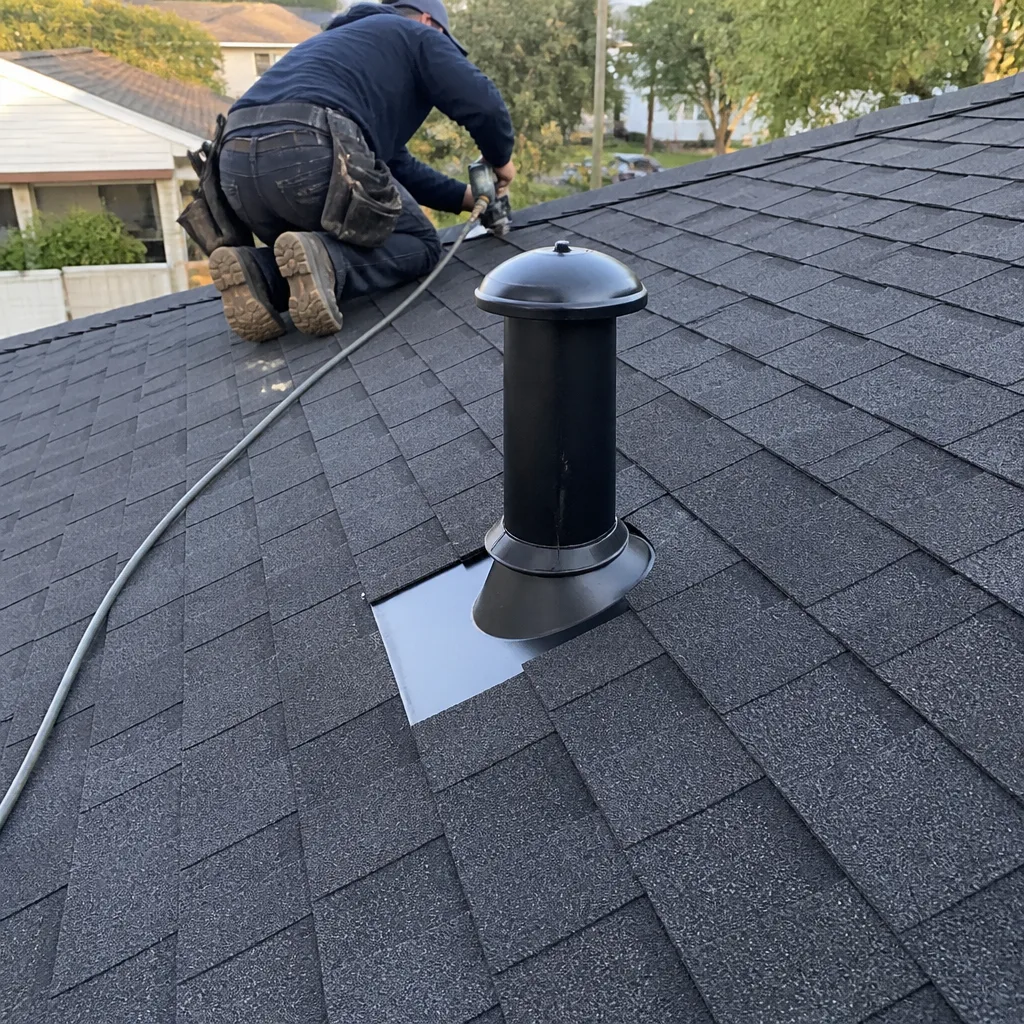 After
After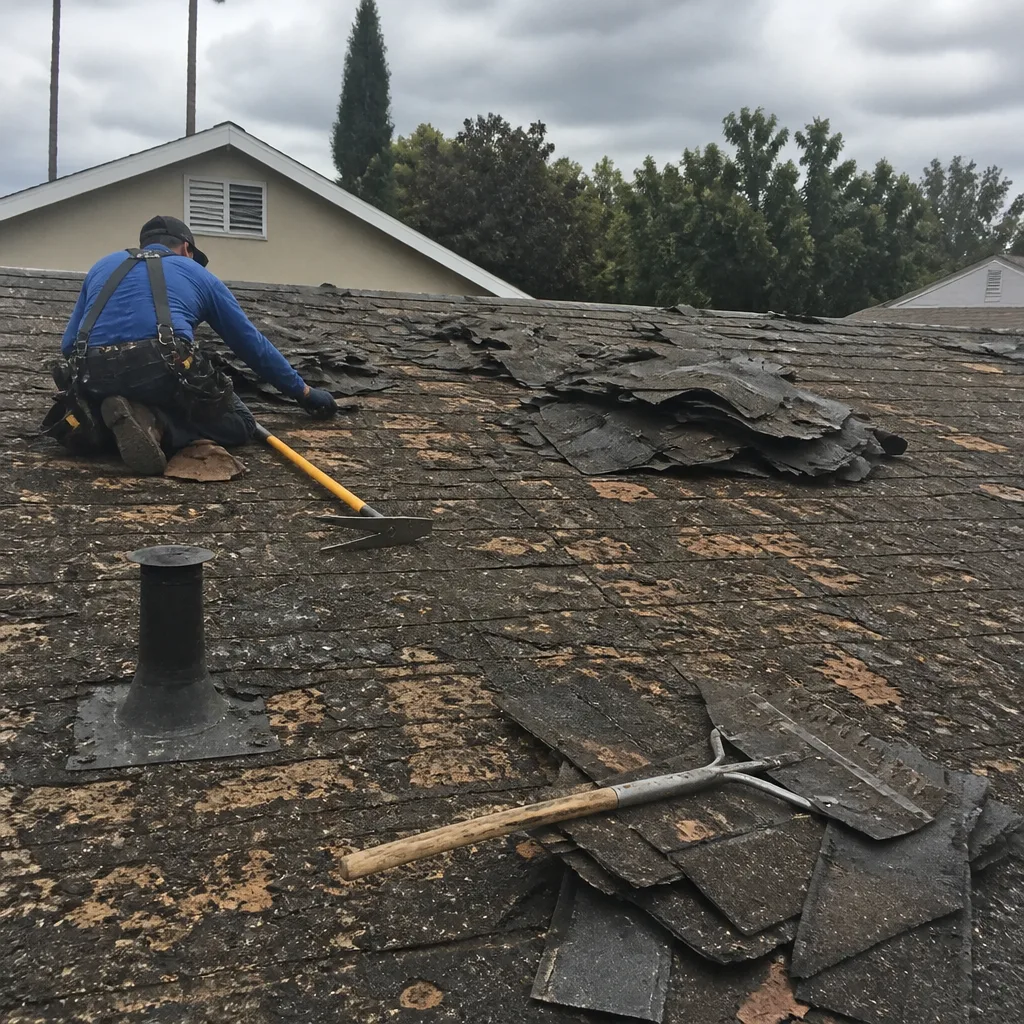 Before
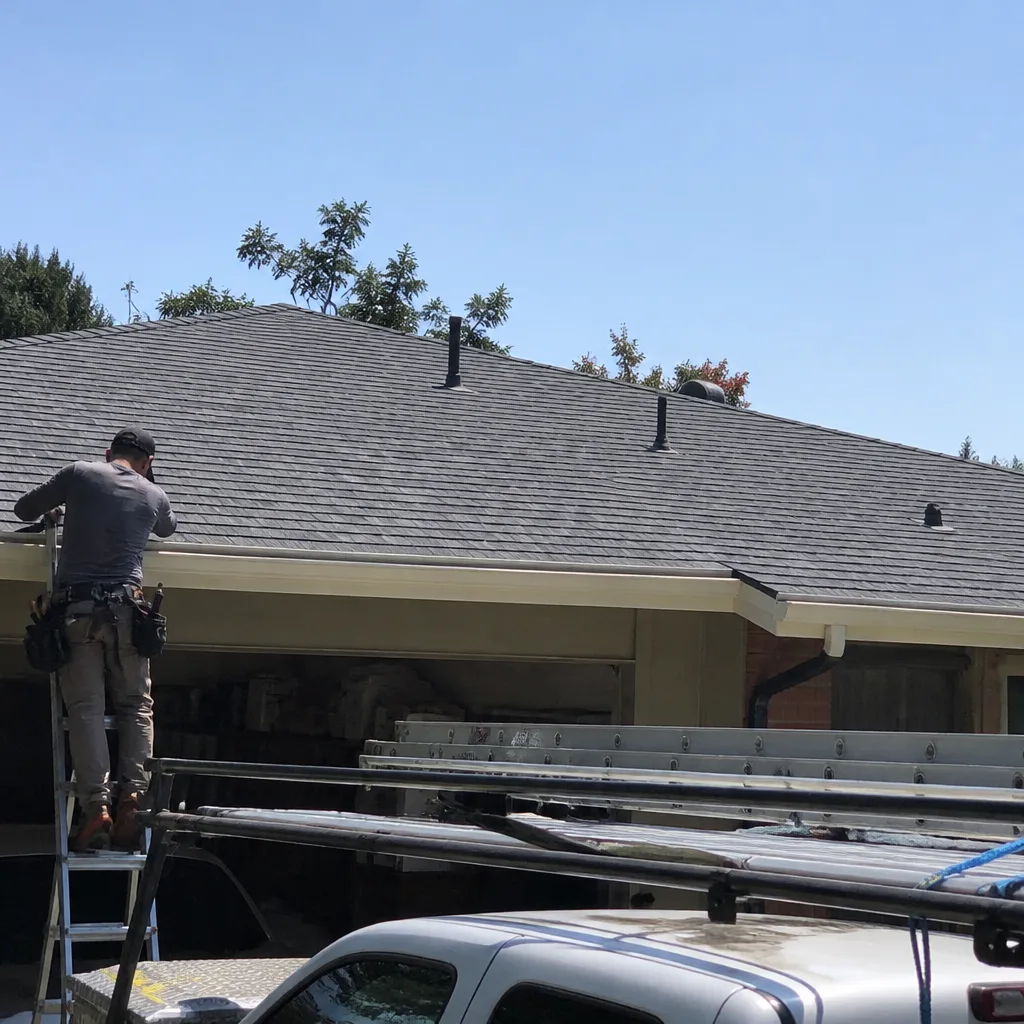 After
After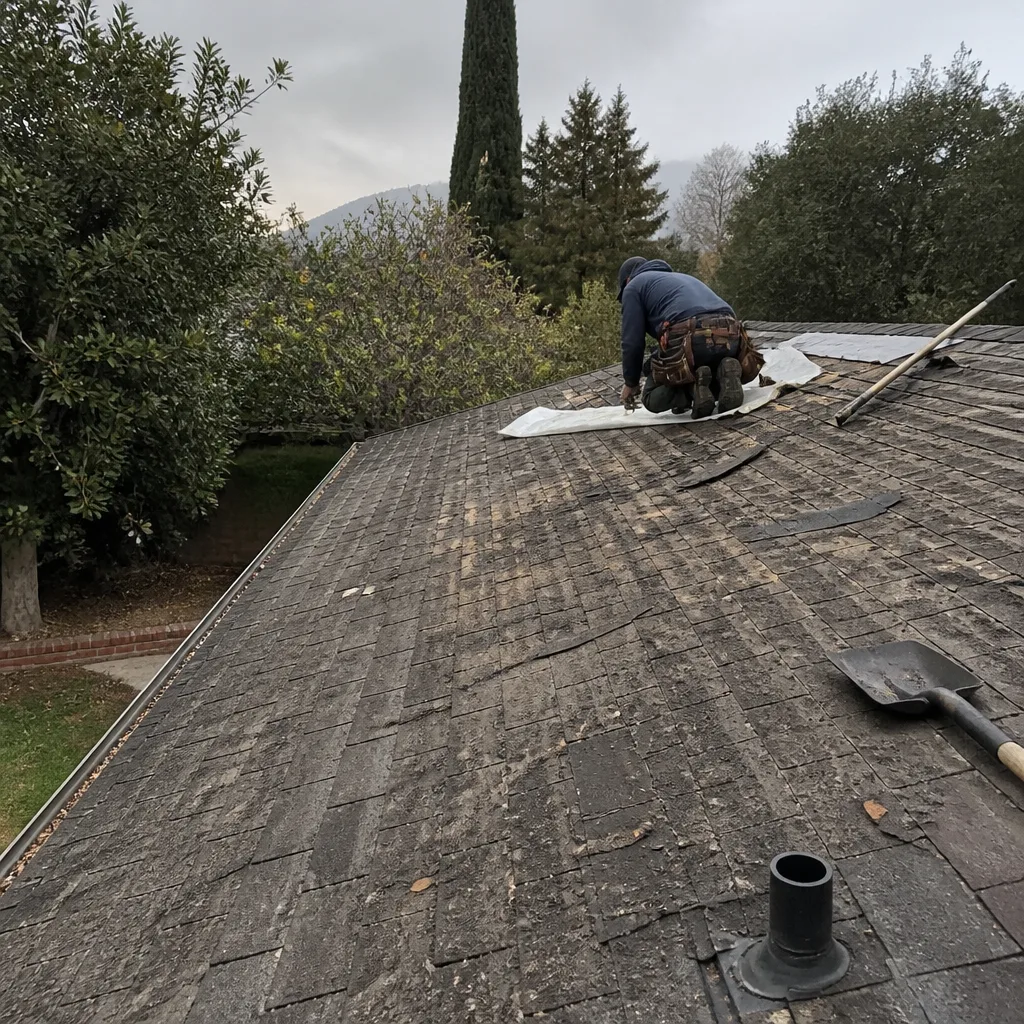 Before
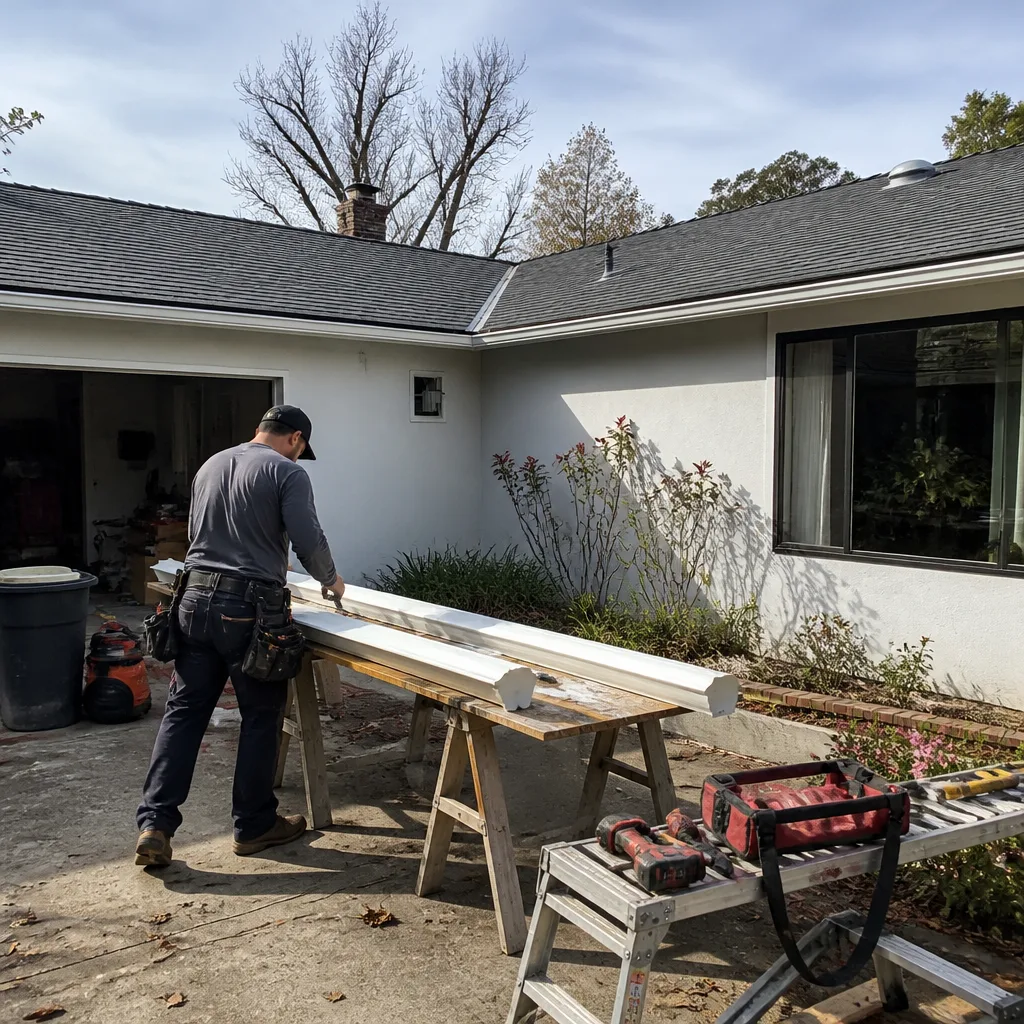 After
After